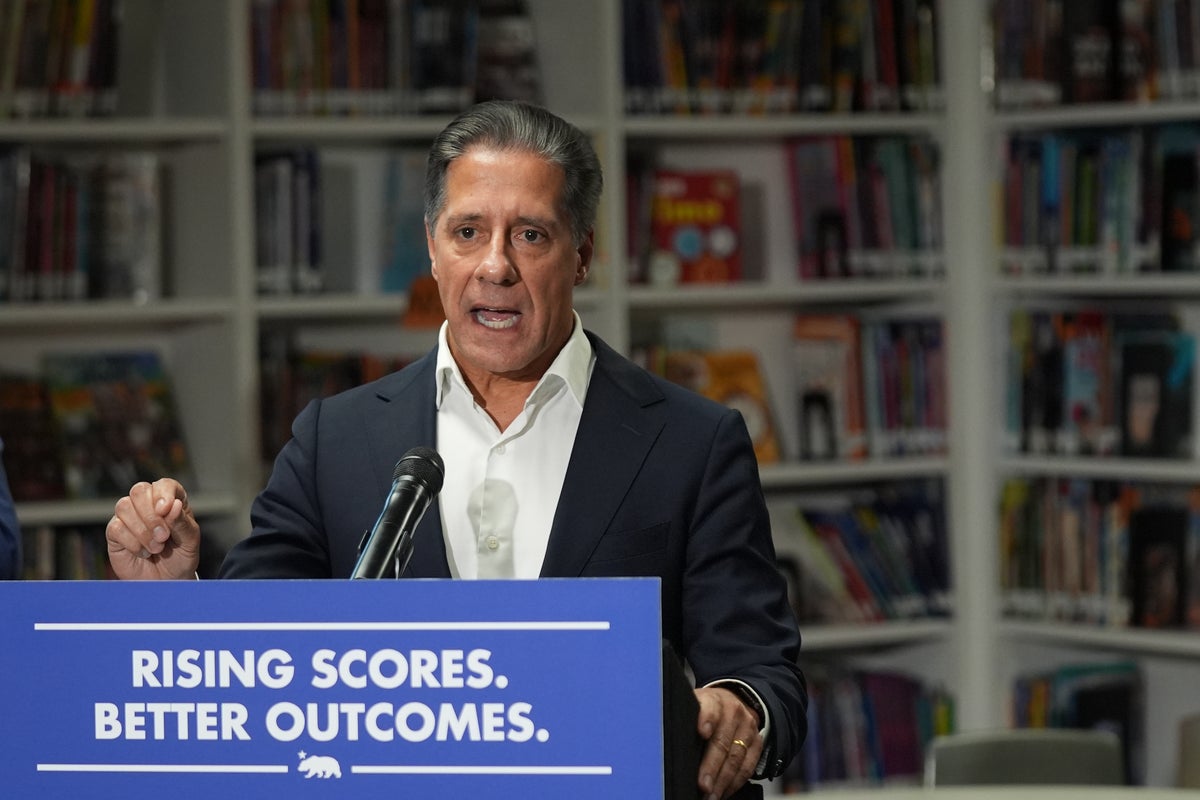
Alberto Carvalho resigned Sunday night as superintendent of the Los Angeles Unified School District, ending a chaotic four-month standoff that began when federal agents raided his home and district headquarters. The nation's second-largest school system is now left to pick up the pieces of a disrupted academic strategy and an aborted, multimillion-dollar artificial intelligence experiment. While Carvalho maintains his innocence and claims his departure aims to remove distractions from the classroom, the unfolding federal investigation signals a deeper systemic vulnerability in how major public school systems procure unproven educational technologies.
The Los Angeles Unified School District (LAUSD) Board of Education accepted the resignation effective immediately, leaving acting superintendent Andrés Chait at the helm of a system serving more than 400,000 students. You might also find this similar story interesting: The Anatomy of Forward Presence: Why Israel Will Not Vacate the Lebanon Security Zone.
The Chatbot That Cost Millions and Triggered a Raid
Public attention shifted sharply to the federal probe on February 25, when FBI agents executed coordinated search warrants at Carvalho’s Los Angeles residence and the central administrative offices of the district. Simultaneously, federal authorities targeted a property near Miami belonging to a former associate of AllHere, an educational technology firm.
The investigation centers on a collapsed $3 million initiative to deploy an AI-driven digital assistant named "Ed." Billed as a revolutionary tool to help students navigate their coursework and families manage educational resources, the chatbot became a centerpiece of Carvalho's modernizing agenda. Within three months of its high-profile rollout, AllHere collapsed into bankruptcy, its founder faced federal fraud charges, and the district quietly terminated the contract. As reported in latest articles by BBC News, the implications are notable.
Law enforcement sources indicate that investigators are examining potential irregularities, including whether kickbacks or improper financial relationships influenced the procurement process. The underlying affidavits for the search warrants remain under seal, and no criminal charges have been filed against Carvalho, who previously spent 14 years running the Miami-Dade County Public Schools system before taking the Los Angeles job in 2022.
A History of Large Scale Tech Disasters
Superintendents of major urban school districts wield immense power over procurement budgets that rival those of medium-sized corporations. The pressure to innovate frequently outpaces the slow, deliberate process of traditional institutional oversight.
This is not the first time the Los Angeles public school system has suffered a severe setback trying to force-feed a massive technology initiative into its classrooms.
- The 2013 iPad Debacle: A $1.3 billion plan to equip every student with an Apple tablet collapsed under the weight of security bypasses by students, poor teacher training, and a subsequent SEC investigation into the bond funding used to buy them.
- The MISIS Payroll Crisis: A botched rollout of a student information and scheduling tracking database left thousands of students without accurate schedules and disrupted basic operations for an entire school year.
- The "Ed" AI Chatbot Failure: The 2024 push into artificial intelligence resulted in a $3 million loss, a vendor bankruptcy, and a federal corruption probe.
Large school districts are uniquely susceptible to tech vendors selling panaceas. The administrative hierarchy often rewards leaders who can point to shiny, headline-grabbing modernization initiatives, even if the underlying infrastructure cannot support them.
The Operational Vacuum in Los Angeles
Carvalho's four months on paid administrative leave forced the district into a prolonged holding pattern. While acting superintendent Andrés Chait managed to avert a threatened strike by teachers and staff during the spring, the lack of permanent leadership hampered long-term planning.
LAUSD faces severe structural headwinds that an AI chatbot was never going to solve. Enrollment numbers have drifted downward for a decade, a trend accelerated by shifting demographics and high regional housing costs. The expiration of federal pandemic relief funds has created a structural deficit, forcing difficult conversations about staff reductions and program cuts in high-needs schools.
School boards across the country often look for celebrity superintendents to act as dynamic saviors. Carvalho fit that bill perfectly, coming to California with a national reputation for sparring with Florida political leaders and driving up graduation rates. Yet his abrupt exit underscores the fragility of relying on top-down executive star power rather than steady, transparent institutional management.
The federal investigation will continue to run its course out of the public eye until indictments are either unsealed or abandoned. For Los Angeles, the immediate challenge is shifting focus away from federal subpoenas and back to the basic mechanics of urban education. The board must now decide whether to launch another national search for a high-profile executive or look inward for a leader focused on stabilization rather than reinvention.