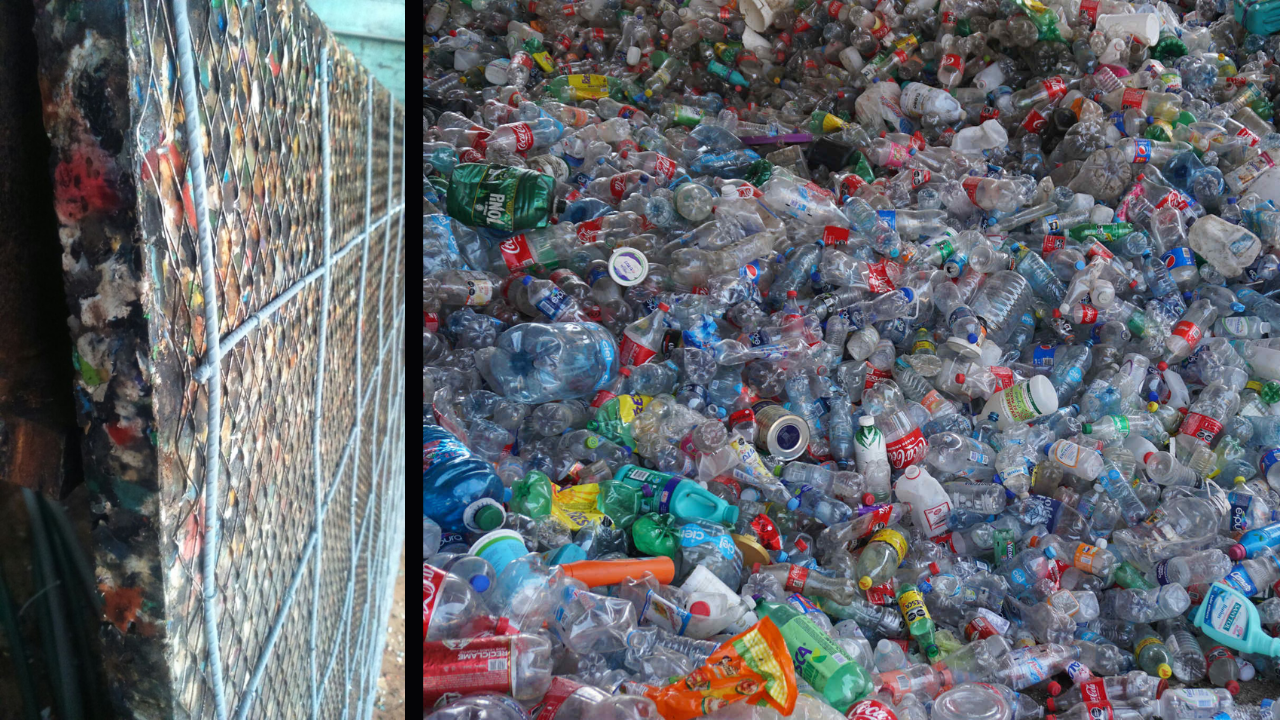
Every few months, a breathless headline cycles through the media ecosystem. An earnest founder picks up a pile of discarded beverage bottles, fires up a melting vat, and three years later, a slick startup emerges, churning out trendy sneakers, park benches, or chic patio furniture. The narrative writes itself: human ingenuity conquers waste, capitalism saves the biosphere, and you can buy your way to a clear conscience.
It is a fairy tale. And it is actively dangerous. For another perspective, check out: this related article.
I have spent the last fifteen years watching venture capital and municipal budgets bleed out into circular economy vanity projects. I have seen founders raise tens of millions on the back of PR-friendly upcycling pitches that make zero thermodynamic or economic sense at scale. The lazy consensus of the environmental movement tells you that every piece of plastic saved from a landfill is a victory. That is a comforting lie.
Stop trying to fix plastic recycling by turning garbage into consumer trinkets. You are treating a hemorrhage with a colorful adhesive bandage. Further coverage regarding this has been published by Financial Times.
The Economics Of The Grind
Let us look at the raw mechanics of polymers. Plastic is not a single material; it is an alphabet soup of synthetic resins, additives, plasticizers, flame retardants, and colorants. Polyethylene terephthalate does not mix happily with high-density polyethylene, polypropylene, or polyvinyl chloride. When you throw a mixed batch of consumer waste into a shredder and melt it down, you do not get a high-grade structural material. You get a weak, unpredictable polymer alloy that degrades with every single thermal cycle.
Every time a polymer chain undergoes melting and extrusion, the heat and shear forces break down the molecular weight. Mechanical recycling is inherently degenerative. The material loses tensile strength, flexibility, and color neutrality. To make a secondary product that does not snap under its own weight, manufacturers have to blend in virgin resin. Upcycling is often a marketing term for diluting trash with pristine petrochemicals just so the product holds together.
Imagine a scenario where a startup collects ten tons of ocean-bound packaging. After sorting, washing, shredding, and thermal processing, they manage to convert four tons of it into fashionable backpacks. Sounds like a triumph. But what happened to the energy consumed during the wash cycles? What about the microplastics released into municipal wastewater treatment plants during the washing phase? What about the carbon footprint of hauling low-density waste across state lines to a facility that operates on coal-fired grid electricity?
When you run the actual life-cycle analysis, the energy expenditure often outpaces the ecological benefit of the saved petroleum. We are burning fossil fuels to melt fossil fuels, all so a marketing department can slap an eco-friendly badge on a backpack that will end up in a landfill anyway five years down the line.
The Consumer Absolution Trap
The entire narrative of municipal recycling was largely bankrolled by the petrochemical industry in the late twentieth century. Facing rising public backlash against throwaway culture, major oil and chemical conglomerates shifted the burden of waste management directly onto the individual citizen. If you felt guilty about buying a single-use container, the solution was simple: toss it in the blue bin and absolve your sins.
This mechanism created a dangerous psychological cushion. Consumers believe that sorting their trash neutralizes the footprint of consumption. Because you put your yogurt tub in the recycling bin, you feel licensed to buy another one tomorrow.
The data tells a grim story. Only a tiny fraction of global plastic waste has ever been successfully reprocessed into high-value goods. The vast majority of collected material either gets exported to developing nations with lax environmental standards, incinerated in municipal waste-to-energy plants under the guise of green energy, or quietly buried.
When a startup builds a cute business model around melting down discarded water bottles, they validate the underlying premise that we can keep producing limitless virgin polymers because someone, somewhere, will turn them into skateboards. It is an industrial shell game.
The Counter-Intuitively Brutal Truth
If we want to solve the waste crisis, we have to stop treating recycling as the savior of consumerism. We need to acknowledge that recycling is a failure state. It is a damage control mechanism for a material that never should have been mass-produced for single-use applications in the context of food packaging and short-life goods.
Real progress does not look like a garage startup spinning up another line of injection-molded planters. Real progress looks like aggressive regulatory contraction. It looks like banning the extrusion of unnecessary single-use polymers at the legislative level. It looks like mandatory refillable glass and metal distribution networks that make the linear supply chain economically obsolete.
When companies are forced to own the physical custody of their packaging across a fifty-year lifecycle, virgin plastic stops looking cheap overnight. As long as raw petrochemicals remain subsidized and artificially inexpensive, upcycling startups are nothing more than theatrical distractions playing fiddle while Rome melts.
Stop buying the upcycled gimmick. Stop pretending that sorting your trash solves a systemic design flaw. The next time a founder stands on a stage holding a sleek, recycled-plastic widget, do not applaud their ingenuity. Ask them how much virgin resin they had to mix in to keep it from crumbling.


:max_bytes(150000):strip_icc()/GettyImages-700832601-5bb602c0c9e77c002609fe08.jpg)
