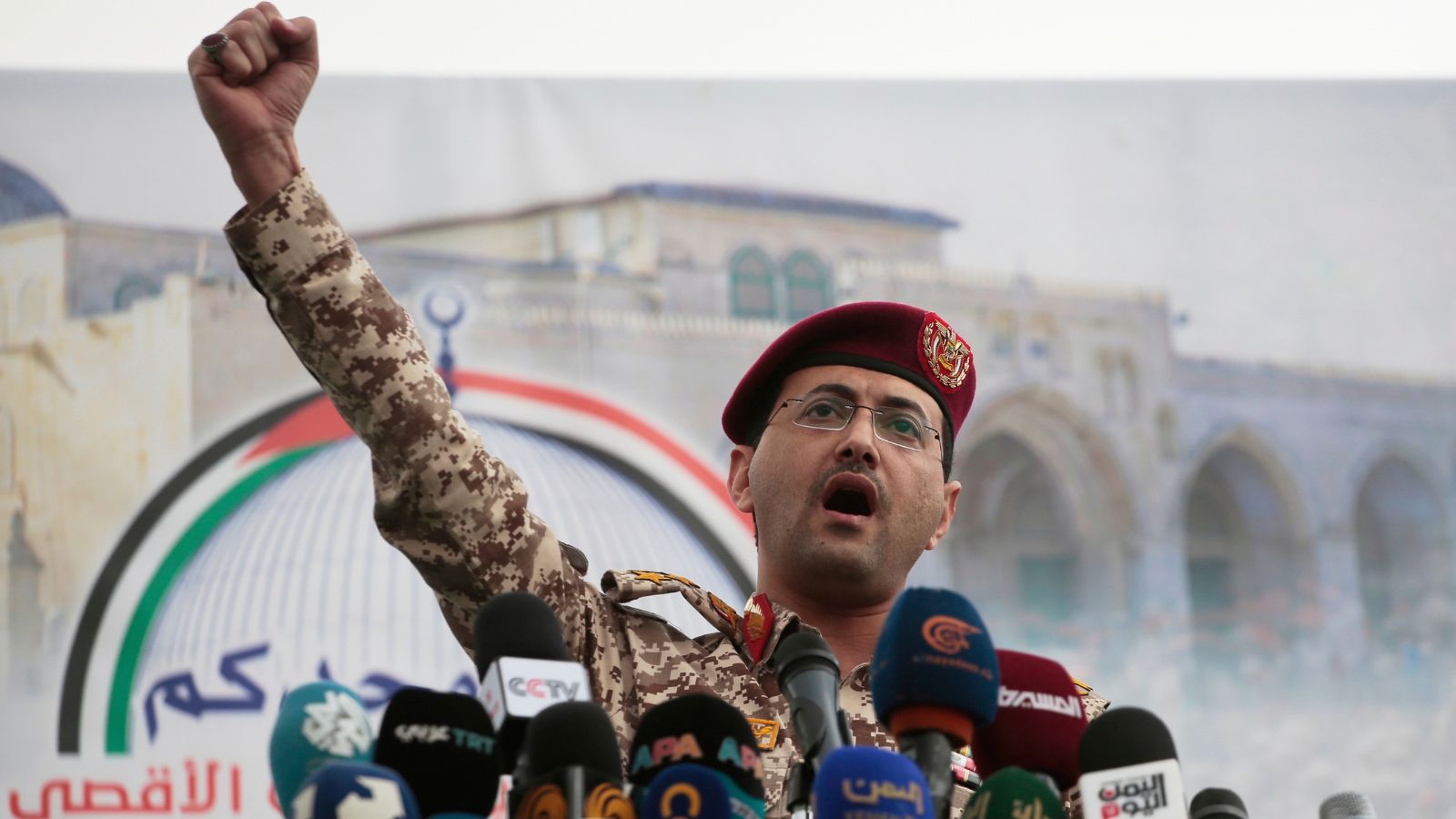
The global energy market is running out of exits. If you thought the closure of the Strait of Hormuz was bad, things are about to get much worse. Word just leaked that Tehran officially asked Yemen’s Houthi rebels to prepare a total blockade of the Bab el-Mandab Strait.
This isn't just another empty geopolitical threat. It is a direct response to Washington's warnings about targeting Iranian power grids. By calling in this favor, Iran is aiming straight for the single remaining escape valve for Middle Eastern oil. If the Houthis pull the trigger, the simultaneous shutdown of both major maritime chokepoints in the region will trigger an unprecedented energy shock. Don't miss our previous post on this related article.
The Illusion of the Red Sea Safety Net
When the conflict kicked off on February 28 and Hormuz was effectively shut down, energy markets didn't totally collapse. Why? Because energy companies and regional powers adapted. They began relying heavily on land-based pipelines to bypass the Persian Gulf entirely.
Saudi Arabia leading the charge wasn't an accident. The Kingdom quickly diverted around 70 percent of its energy exports across the desert via its East-West pipeline, dumping the crude straight into the Red Sea port of Yanbu. By June, petroleum volumes squeezing through the narrow Bab el-Mandab Strait hit 7.4 million barrels per day—roughly 7 percent of the entire global supply. If you want more about the background here, NPR provides an informative summary.
The Red Sea wasn't just a backup anymore. It became the lifeline keeping global markets afloat.
That is exactly why Iran is targeting it.
Why This Campaign is Totally Different
During the previous disruptions of 2023 and 2024, Houthi drones were mostly harassing ships bound for Western ports while Gulf oil safely exited through Hormuz. This time, the game has shifted. The actual oil cargoes are being loaded right inside the Red Sea. If the Houthis close the southern gate now, they aren't just making shipping lanes longer or more expensive. They are physically trapping the redirected oil.
High Stakes and Low Tech Weapons
Intelligence sources indicate the Houthis have already finished positioning missiles and drones in the Yemeni highlands overlooking Hodeidah and the Gulf of Aden. They are literally just waiting on the word from Islamic Revolutionary Guard Corps (IRGC) officials stationed on the ground.
The terrifying reality of the Bab el-Mandab Strait is its geography. At its narrowest point, it is only 18 miles wide. You don't need multi-million dollar precision military hardware to shut it down. As regional security analysts have pointed out, almost anyone with a basic shoulder-fired weapon or a cheap GPS-guided drone can disrupt commercial shipping in waters that tight.
"The closure would not be difficult," an anonymous regional security source told Reuters.
If the threat materializes, oil market experts warn that crude prices could easily rocket past $200 a barrel. A jump like that would instantly bleed into global gas prices, trigger rampant inflation, and upend supply chains that are already stretched to their absolute limits.
The Countries Caught in the Crossfire
While the standoff looks like a direct heavyweight fight between Washington and Tehran, the collateral damage spans the globe. Two countries in particular are facing immediate crises.
Saudi Arabia
The four-year truce between Riyadh and the Houthis just shattered after a recent airstrike on the Sanaa airport. Houthi leaders have already threatened to target Saudi airports and vital oil installations directly if Riyadh cooperates with the Americans. The Kingdom's entire strategy of using Yanbu as a safe haven for its oil exports is now completely compromised.
India
New Delhi is in a brutal double-bind. India relies on Persian Gulf imports that used to travel through Hormuz, and it relies heavily on Russian Urals crude that must transit down through the Suez Canal and out the Bab el-Mandab. A double blockade squeezes both of India's primary energy supply lines simultaneously.
How to Prepare for the Looming Shock
Waiting around for the first drone to hit a tanker before changing your strategy is a recipe for failure. If your business depends on global logistics or energy inputs, you need to move immediately.
- Audit Your Freight Routes: Stop assuming the Red Sea is a viable alternative. Work with forwarders to secure space on rail networks across Asia or book routes that entirely circumnavigate Africa via the Cape of Good Hope, despite the extra 10 to 14 days of transit time.
- Hedge Energy Costs: If you manage corporate operations or logistics fleets, look into long-term fuel hedging contracts right now before the $200-a-barrel projections become reality.
- Diversify Suppliers Nationally: Shift your supply chain dependencies away from maritime trade bottlenecks. Sourcing components or raw materials from domestic or near-shore alternatives might cost more upfront, but it prevents a total operational freeze when the shipping lanes close down.
The window to protect your operations from this dual-chokepoint crisis is closing fast. Tehran has laid out its pieces on the board, and the fuse is already lit in Yemen.