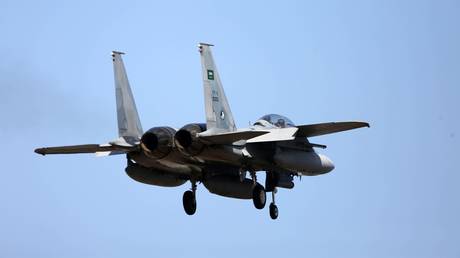
The war in West Asia just expanded into a full-scale maritime choke point crisis. If you thought the conflict was confined to land skirmishes and air strikes, recent developments in the Red Sea and the Gulf prove otherwise. Yemen's Iran-backed Houthi rebels claimed a direct missile strike on the southern Saudi Arabian city of Jizan. This escalation follows a heavy exchange of fire that included Saudi airstrikes targeting Houthi military positions in Hodeida.
At the same time, the United States military disabled a commercial tanker attempting to run the ongoing American blockade on Iranian ports. According to U.S. Central Command, the vessel ignored multiple warnings after trying to breach the blockade line repeatedly. Forces on the scene fired directly into the engine room, bringing the transport to a grinding halt.
This isn't just about localized military posturing. Energy markets are absorbing the shockwaves of a dual-front maritime strategy that threatens to cut off crucial oil transit lanes.
The Anatomy of a Dual Choke Point
Saudi Arabia faces an unprecedented logistical nightmare. With Iran enforcing a parallel blockade on the Strait of Hormuz—Riyadh's primary maritime shipping route—the kingdom has leaned heavily on Red Sea ports like Yanbu and Jizan to export crude.
Now, the Houthis have effectively weaponized the southern Red Sea. By declaring their own maritime blockade against Saudi Arabia and striking vessels like the tanker Encelia, rebel forces have squeezed the alternative route dry.
- The Hormuz Constraint: Iran controls the northern Persian Gulf bottleneck, choking off standard tanker traffic.
- The Red Sea Threat: Houthi missile and drone batteries target commercial shipping lanes near the Bab el-Mandeb Strait.
- The Retaliation Cycle: Saudi Arabia responds with kinetic strikes on Houthi infrastructure, ensuring the cycle of violence escalates daily.
Shipping companies are scrambling. Tankers carrying millions of barrels are executing mid-ocean U-turns or sitting idle as risk-management firms warn of imminent danger.
Why Washington is Drawing a Hard Line
The U.S. military's decision to disable a blockade-running tanker highlights Washington's determination to seal off Iranian maritime commerce completely. Navy Captain Tim Hawkins noted that the targeted ship refused to comply after four separate attempts to breach the exclusion zone.
Washington and Tehran remain locked in a stubborn escalation trap. Despite ongoing diplomatic pressure and a prolonged exchange of strikes, neither side shows an inclination to back down. President Donald Trump recently remarked that negotiations are intense but gave no indication that a quick resolution is in sight.
When commercial vessels try to thread the needle to keep trading with sanctioned ports, they become immediate targets for American enforcement teams. The message from the Pentagon is clear. Run the blockade, and your engine room takes the hit.
The Broader Economic Fallout
Energy analysts are watching these developments with mounting anxiety. When major oil producers face simultaneous blockades on both their eastern and western maritime exits, the math changes instantly.
Global shipping insurance rates have spiked to historic highs. Freighters heading toward the Suez Canal now face weeks of delays and exorbitant rerouting costs. The friction in West Asia translates directly to fuel price hikes at pumps across the globe, impacting everything from manufacturing supply chains to everyday consumer goods.
Diplomacy is moving at a snail's pace while military actions accelerate. Iranian foreign ministry officials continue to state that Tehran will not yield to economic pressure, while regional proxies keep up the pressure on Saudi infrastructure.
Keep a close eye on the insurance markets and rerouting metrics over the coming weeks. They tell the real story of how international commerce is adapting—or failing to adapt—to a permanently altered security landscape in the Gulf.