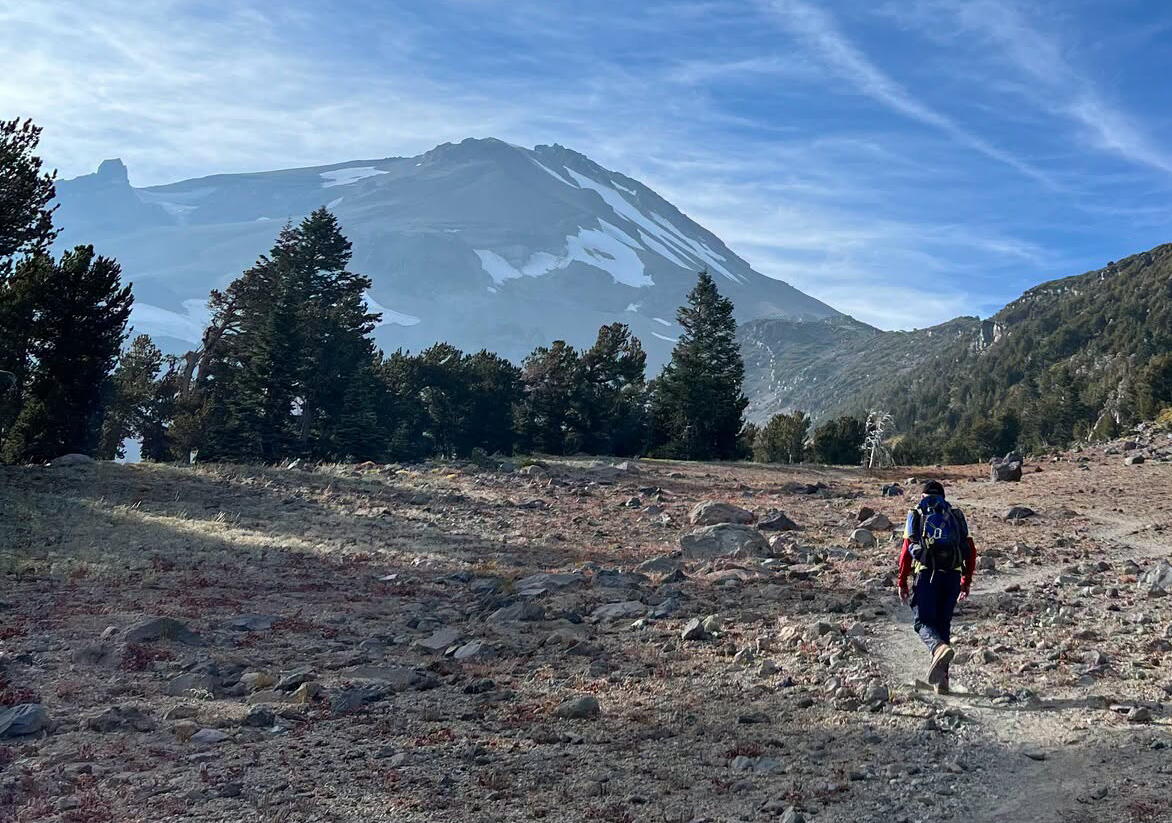
Mount Shasta doesn't care about your software version. When hikers get stranded because they blindly trust an automated chatbot for backcountry navigation, we have a serious cultural problem.
Artificial intelligence is great at writing emails or summarizing PDF documents. It fails miserably at geography, changing weather patterns, and mountain survival. Let's talk about what happens when modern convenience meets raw wilderness and why outsourcing common sense to a large language model is a fast track to a mountain rescue.
The Mount Shasta Incident
Picture this scenario. You are planning a strenuous alpine trek. Instead of consulting a local topographic map, checking physical guidebooks, or calling park rangers, you open up a chat interface. You ask for a route up Mount Shasta.
The chatbot spits out a neat, confident itinerary. It lists waypoints, estimated times, and elevation gains. It sounds professional. It uses authoritative language. It completely makes up non-existent trails or dangerously misinterprets winter conditions as summer strolls.
That is precisely how hikers end up stranded on the slopes of a massive volcano, calling for help as daylight fades and temperatures plummet. Software hallucinates facts. When it hallucinates a mountain path, people freeze.
Why Large Language Models Fail at Geography
Chatbots do not understand the physical world. They predict the next most likely word in a sentence based on patterns in training data. They have zero spatial awareness.
If you ask an AI model for a hiking route, it strings together words that sound like a hiking route. It doesn't check if a cliff actually exists there. It doesn't know if an avalanche chute is currently active. It doesn't factor in your physical fitness, your gear, or whether the trail was washed out by winter storms last week.
We have trained ourselves to trust digital assistants for everything. We ask them for recipes, code snippets, and travel tips. This convenience creates a dangerous cognitive bias. Because the chatbot answers quickly and politely, our brains assume it possesses actual intelligence and factual grounding. It doesn't. It is a probabilistic text engine.
The Illusion of Competence
Confidence is cheap in software. A machine learning model will describe a treacherous rock scramble with the exact same cheerful certainty it uses to explain baking cookies.
This creates an illusion of competence. Hikers see a well-formatted list with bullet points and bold text, and they assume human-level expertise backs it up. They skip the hard questions. They leave behind the physical map and compass because the phone screen already told them where to go.
Real mountain guides spend decades learning terrain, weather shifts, and emergency response. They understand microclimates. Mount Shasta creates its own weather systems with terrifying speed. Winds can whip up to hurricane force in minutes. Snow can fall in July. An algorithm trained on internet blog posts from ten years ago cannot help you when visibility drops to zero feet.
How to Actually Plan a Backcountry Trip
If you want to survive the backcountry, throw out the chatbot prompts for outdoor navigation. Rely on verified, redundant systems.
- Consult official government park websites and current ranger reports for real-time trail closures.
- Carry physical topographic maps and a reliable magnetic compass, keeping them dry in a ziplock bag.
- Download offline topographical apps like Gaia GPS or CalTopo, but never rely solely on battery-powered devices.
- Talk to local outfitters who touched the dirt on that mountain yesterday.
Technology should enhance your trip, not dictate it. Use GPS tools to track your progress against a physical map. Check weather forecasts from official meteorological agencies, not conversational text boxes.
Stop treating chat interfaces as omniscient guides. The mountain always wins against blind arrogance, and no software update can save you once you step off the edge of a real cliff. Pack your gear, check your ego, and trust actual human experience over server-generated fiction.

