Political messaging surrounding cabinet-level impeachment proceedings operates through predictable strategic frameworks designed to shift the center of gravity from individual conduct to institutional stability. When Defense Secretary Pete Hegseth characterizes impeachment efforts as an attack on United States troops, the rhetorical maneuver functions as an institutional shield—converting a constitutional oversight mechanism into a perceived operational threat against the armed forces. Understanding this dynamic requires decomposing the speech act into its constituent parts: the constitutional baseline, the mechanisms of institutional conflation, the operational realities of civilian-military relations, and the political incentives driving both congressional oversight and executive defense.
The Constitutional Architecture of Cabinet Impeachment
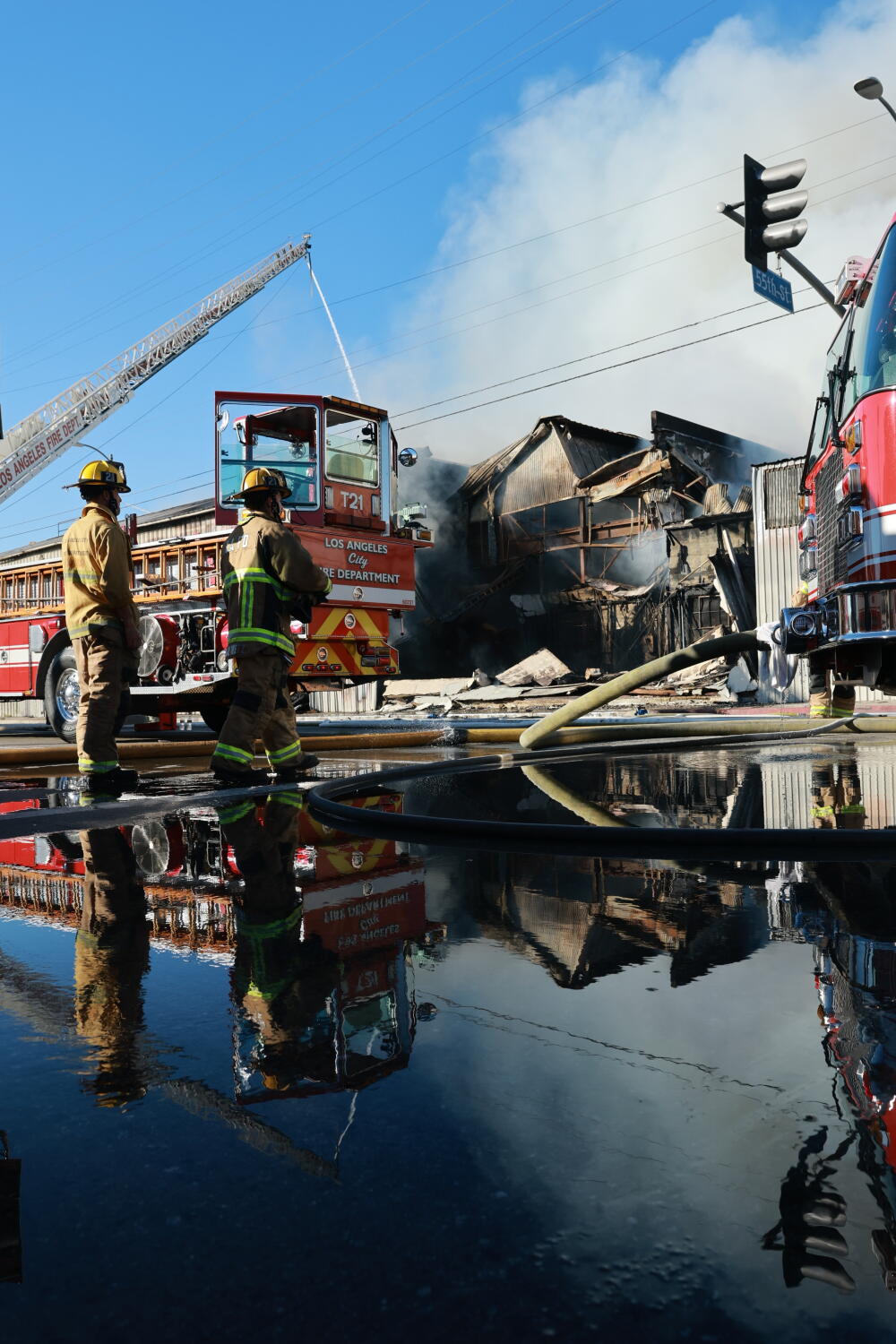
Article II, Section 4 of the United States Constitution establishes the legal threshold for removing civil officers, including the Secretary of Defense, from office: conviction of treason, bribery, or other high crimes and misdemeanors. Unlike criminal proceedings, impeachment functions as a political and constitutional check exercised by the House of Representatives through simple majority vote, followed by a trial in the Senate requiring a two-thirds supermajority for conviction. Recently making news lately: The Ghost Beneath the Concrete (Why Industrial Fires Never Truly Die).
Historically, cabinet-level impeachment inquiries remain exceptionally rare. Since the founding of the republic, only two cabinet secretaries have faced formal impeachment proceedings: Secretary of War William Belknap in 1876 over allegations of kickbacks in the sale of trading-post appointments, and Secretary of Homeland Security Alejandro Mayorkas in 2024 over border enforcement policies. In both instances, the core tension centered on the boundary between administrative malfeasance or policy disputes and constitutional thresholds for removal.
Within this framework, a sitting Defense Secretary occupies a uniquely sensitive node in the federal hierarchy. The National Security Act of 1947 and the Goldwater-Nichols Department of Defense Reorganization Act of 1986 establish a strict chain of command running from the President through the Secretary of Defense directly to the combatant commanders. Because the Secretary sits atop the largest bureaucratic apparatus in the federal government, any challenge to the officeholder's legitimacy creates friction across three distinct domains: More details regarding the matter are explored by Reuters.
- Executive Authority: The President's constitutional role as Commander-in-Chief relies on the Secretary of Defense to translate policy directives into operational orders.
- Congressional Oversight: Article I grants Congress the power to raise and support armies, make rules for the government and regulation of the land and naval forces, and conduct oversight through appropriations and investigative committees.
- Civil-Military Separation: The professional military ethic depends on an apolitical officer corps executing lawful orders issued by civilian leaders, insulated from partisan electoral conflicts.
Mechanics of Institutional Conflation
When a cabinet official frames an impeachment push against themselves as an attack on the workforce or uniformed personnel beneath them, the argument relies on a specific rhetorical mechanism known in political communication as institutional conflation. Rather than addressing the specific factual allegations or policy disputes raised by critics, the speaker merges their personal political survival with the collective identity, morale, and operational readiness of the institution they lead.
This framing operates through three sequential steps:
- Identity Fusion: The leader positions themselves not merely as an appointed administrator, but as the primary guardian and embodiment of the institution's rank-and-file members. Under this logic, scrutiny of the leader's judgment, fitness, or policy decisions is presented as indistinguishable from hostility toward the troops executing the mission.
- Distraction Cost Framing: The speaker argues that legislative inquiries, document subpoenas, and public hearings divert leadership bandwidth away from core national security functions. By quantifying oversight in terms of lost focus on deterrence, readiness, or warfighter support, the defense reframes constitutional accountability as an operational liability.
- Morale and Cohesion Signaling: Public messaging emphasizes that domestic political turbulence signals division to foreign adversaries and undermines confidence among deployed service members. This shifts the burden of proof onto critics, forcing them to defend their oversight actions against accusations of weakening national defense.
Proponents of this defensive strategy argue that the modern media environment incentivizes performative oversight that generates friction without producing legislative remedies. From this perspective, defending the office aggressively protects the Department of Defense from partisan polarization and preserves continuity of command during periods of heightened geopolitical competition.
Critics, legal scholars, and proponents of vigorous congressional oversight challenge this framing on foundational constitutional grounds. They contend that conflating an individual officeholder with the uniformed military erodes the core principle of civilian control. In a constitutional republic, service members swear an oath to support and defend the Constitution of the United States—not an individual cabinet secretary or administration. Separating the accountability of a political appointee from the honor and dedication of the troops is precisely what allows the military to remain an apolitical institution trusted across partisan lines.
Operational Realities of Civilian-Military Relations
Evaluating the practical impact of an impeachment push on military operations requires distinguishing between political rhetoric and institutional mechanics. The Department of Defense is structured specifically to prevent leadership transitions or political controversies at the secretariat level from disrupting tactical or operational execution.
Continuity of Command and Delegation
Under Title 10 of the United States Code, operational command flows from the President and the Secretary of Defense to the commanders of the unified and specified combatant commands. The Chairman of the Joint Chiefs of Staff serves as the principal military advisor, while the service secretaries manage the administrative tasks of organizing, training, and equipping the forces.
Because these statutory authorities are clearly delineated, day-to-day military operations—such as naval patrols, air defense sorties, logistics supply chains, and intelligence collection—continue uninterrupted during periods of political controversy in Washington. Contingency plans and standing rules of engagement remain active unless explicitly modified through formal command channels.
The Actual Friction Points
While tactical operations remain insulated, high-profile political battles over a Defense Secretary's tenure generate measurable administrative friction in specific areas:
- Legislative Liaison and Appropriations: The Pentagon relies on continuous coordination with the House and Senate Armed Services Committees and Defense Appropriations Subcommittees to pass the annual National Defense Authorization Act (NDAA) and secure funding. Deep partisan polarization surrounding the Secretary can slow committee markups, delay confirmations for senior civilian and flag-officer nominees, and complicate reprogramming requests for urgent operational needs.
- Senior Leadership Bandwidth: Responding to congressional inquiries requires substantial effort from the Office of the General Counsel, the Office of Legislative Affairs, and the Secretary's immediate front office. While combatant commanders remain focused on regional threats, policy staff at the Pentagon must allocate hours to document production, legal reviews, and hearing preparation.
- Perception Management Among Allies and Adversaries: Foreign defense ministries closely monitor domestic political stability in Washington. Allied counterparts assess whether policy commitments made by the Secretary will endure, while adversaries evaluate whether internal disputes create windows of diplomatic or strategic opportunity. However, intelligence assessments generally weigh material force posture and congressional funding levels far more heavily than rhetorical exchanges.
Comparative Perspectives on Oversight and Accountability
The dispute over how to characterize impeachment efforts reflects a recurring structural tension in American governance between executive energy and legislative checks. Both sides rely on established, competing theories of institutional health.
| Dimension | Executive Defense Framing | Congressional Oversight Framing |
|---|---|---|
| Core Premise | Continuous, unified civilian leadership is essential for deterrence and troop morale. | Rigorous accountability for senior officials preserves institutional integrity and public trust. |
| View of Impeachment | Viewed as a partisan weapon that distracts from warfighting readiness and politicizes defense. | Viewed as a vital constitutional remedy when standard oversight fails to address misconduct or policy failures. |
| Relationship to Troops | Protecting the Secretary protects the stability and focus required to support service members. | Holding leaders accountable ensures troops are led by qualified officials adhering to the rule of law. |
| Primary Risk | Paralysis of defense policymaking and perceived weakness abroad. | Erosion of constitutional checks and insulation of executive officials from accountability. |
Limitations of Both Approaches
Neither posture operates without strategic trade-offs. When a Defense Secretary relies heavily on troop-centric rhetoric to deflect political criticism, the approach risks drawing the uniformed military closer to partisan debates. Military sociologists and civil-military relations scholars note that public confidence in the armed forces depends on maintaining a clear boundary between partisan politics and military service. If political actors routinely invoke the troops as a shield in partisan disputes, segments of the public may begin to view the military establishment itself through a partisan lens.
Conversely, when members of Congress pursue impeachment over policy disagreements or administrative disputes that fall short of traditional high crimes and misdemeanors, they risk lowering the constitutional threshold for removal. Overusing the impeachment mechanism can normalize it as a routine political tactic rather than an extraordinary constitutional remedy, reducing its deterrent effect against severe abuses of power while consuming legislative capacity needed for defense budgeting and strategic oversight.
Strategic Implications for Defense Governance
Navigating the intersection of congressional oversight and Pentagon leadership requires strict adherence to institutional boundaries by both branches of government.
For Pentagon leadership, maintaining credibility with both the uniformed force and the public depends on keeping official defense communications focused strictly on mission readiness, strategic deterrence, and statutory responsibilities. Separating legal and political defense strategies—handled through White House counsel, personal legal representatives, and political surrogates—from official Department of Defense channels prevents institutional resources from appearing entangled in personal political survival. Clear, transparent compliance with lawful congressional information requests further reduces the duration and intensity of oversight disputes.
For congressional committees, effective oversight relies on anchoring inquiries in specific statutory authorities, measurable readiness metrics, and documented administrative actions rather than broad rhetorical escalation. Utilizing targeted tools—such as inspector general audits, Government Accountability Office (GAO) evaluations, authorization restrictions, and confirmation holds—allows lawmakers to enforce accountability on defense policy without triggering the institutional polarization inherent in impeachment proceedings. Preserving the distinction between scrutinizing civilian policymakers and supporting uniformed personnel remains the foundational requirement for sustaining both democratic accountability and military effectiveness.