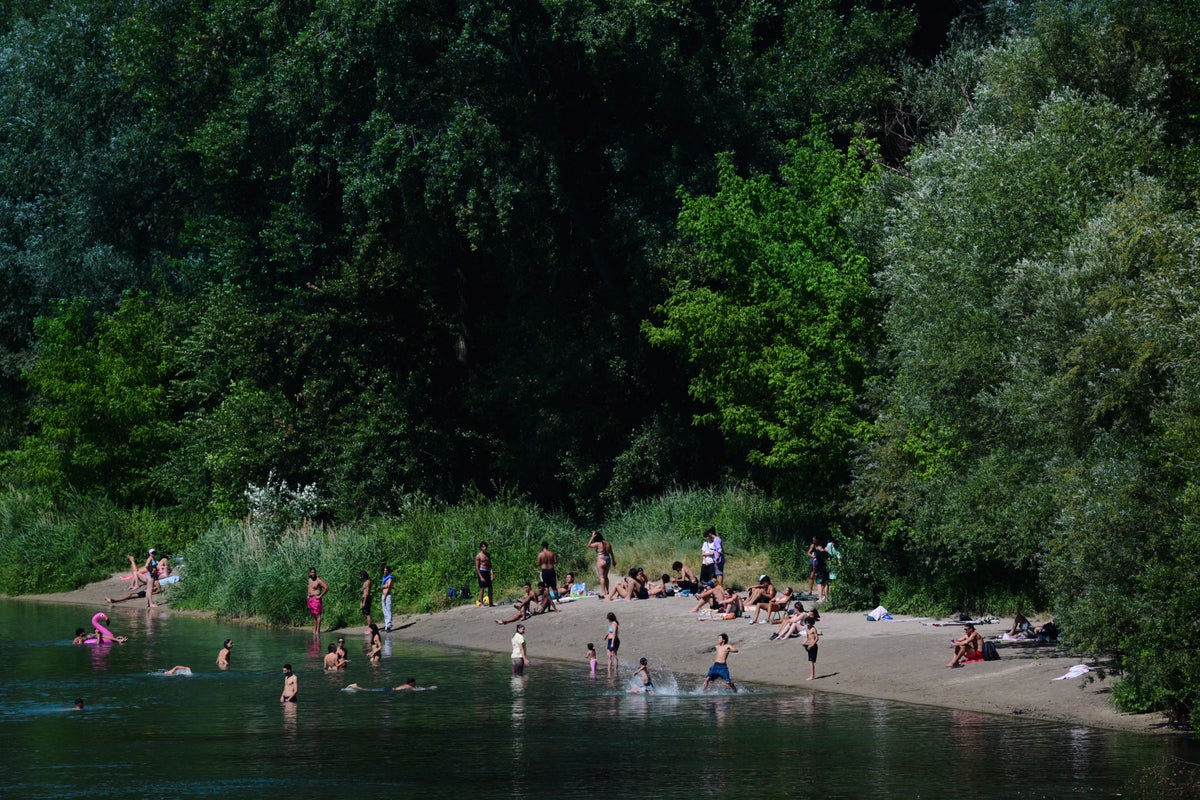
The urge to dive into cold water when the air feels like a furnace is almost impossible to fight. When temperatures across France breached 40°C this June, millions of people did what anyone would do. They looked for the nearest river, lake, or beach to escape the relentless, suffocating heatwave.
But open water hides things that a swimming pool doesn't. Currents, deep drops, and sudden temperature shifts turn a quick dip into a survival situation within seconds. For a closer look into this area, we suggest: this related article.
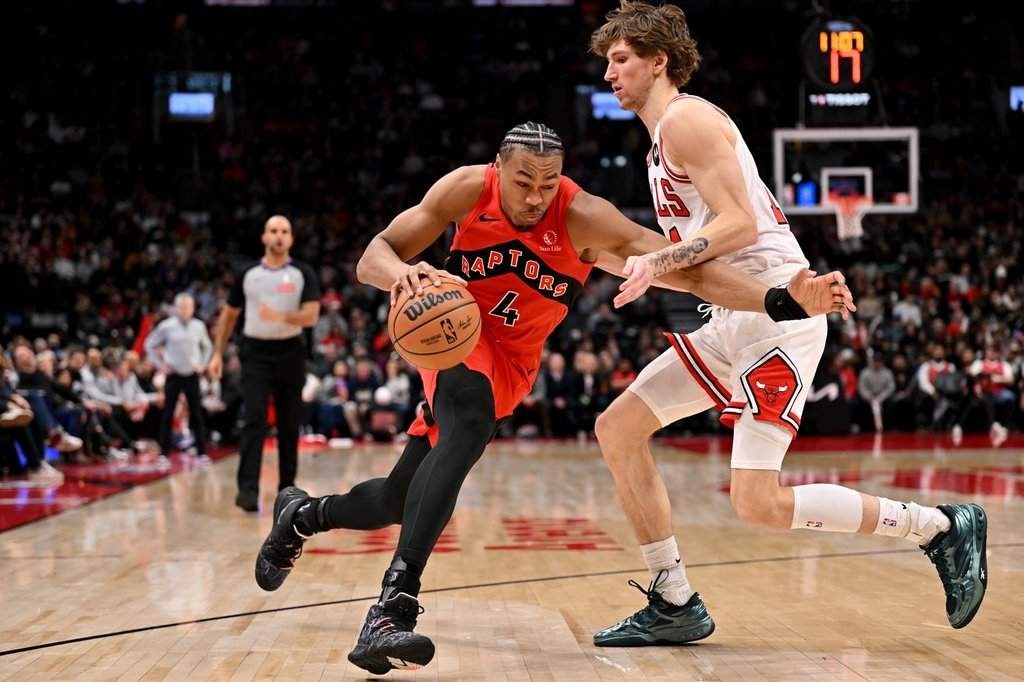
Kenzo Kies, a 21-year-old French footballer playing for the reserve team of Ligue 2 club En Avant Guingamp, learned this in the most tragic way possible. On June 22, Kies and three friends went to the Rhône River near Lyon, heading to an area near Parc de la Feyssine. It’s a spot locals know for its dangerous rapids and powerful whirlpools. In fact, swimming there is strictly banned.
The group entered the water to cool off, but the river quickly overwhelmed them. Emergency crews received a panic call around 5:30 p.m. reporting four swimmers in severe distress. While rescuers managed to pull Kies’ three friends from the water, Kies himself was found last. After being pulled from the river in critical condition, he was rushed to the hospital, where doctors later declared him brain dead. For additional information on this issue, comprehensive coverage can also be found on NBC Sports.
The Illusion of Calm Water During a Heatwave
It’s easy to look at a river during a hot summer day and think it’s safe. The surface might look placid, or the rapids might look manageable. The area where Kies drowned, near the Feyssine waterfall, is sometimes called the "Hawaiian wave of the Rhône" by locals due to its intense currents.
When you mix extreme atmospheric heat with glacial or deep river runoff, you create a recipe for physical shock. People often underestimate how hard a fast-moving river can pull at your legs. Even a professional athlete with elite cardio and physical strength cannot outswim a river undertow or a localized whirlpool.
"I swim here quite often, and there are currents, there are whirlpools, so it doesn't surprise me," Simbad, a local Lyon resident, told AFP reporters at the scene. "It's pretty rough. Someone who doesn't know the spot can quite quickly be swept away by the currents."
The tragedy has devastated the French football community. Kies was highly regarded, having spent seven years developing his skills within the prestigious youth academy system of AS Saint-Étienne and previously training with Olympique Lyonnais. He moved to Guingamp last summer to continue his path toward senior professional football.
Both clubs released heavy-hearted statements honoring the young winger. Saint-Étienne shared a tribute noting that the "Green Generation is in mourning" for a talented, discreet young man who will never be forgotten in the corridors of their training center.
A National Spike in Unsupervised Drownings
Kies’ death is not an isolated incident. It’s part of a massive, alarming spike in accidental drownings across France as Europe grapples with record-breaking seasonal temperatures. The Meteo France weather agency confirmed that the national thermal indicator reached historic highs of 30°C on consecutive days, with local thermometers in Paris and Lyon repeatedly blasting past the 40°C mark.
French Prime Minister Sébastien Lecornu revealed that at least 40 fatal drownings occurred in just a single week as people desperately sought relief from the stifling conditions. The vast majority of these victims were young people.
When public pools are packed and urban apartments turn into ovens, unmonitored rivers become an attractive, free alternative. But entering unsafe waters carries extreme risks that governments are struggling to communicate to the public. France’s Sports and Youth Minister, Marina Ferrari, issued a direct warning on national radio urging citizens to stay out of prohibited areas. She emphasized that swimming in unsupervised zones during a heatwave is never a trivial choice.
What You Need to Know Before Cooling Off in Open Water
If you find yourself near a fast-flowing river or an unfamiliar lake this summer, you need to understand exactly what happens below the surface before you even consider dipping a toe in.
- Hydrocution (Cold Shock): Entering cool water when your body temperature is elevated from 40°C heat causes an immediate spike in blood pressure and heart rate. This reflex can cause involuntary gasping, leading to immediate water inhalation.
- Undercurrents and Undertows: Rivers change depth constantly. A shallow gravel bar can drop off into a deep channel where the water moves three times faster than it does on the surface.
- Submerged Debris: Fallen trees, sharp rocks, and tangled fishing lines sit waiting under the surface to trap swimmers, holding them down against the force of the current.
The best way to stay safe is to strictly use designated, lifeguarded zones where the underwater topography is mapped and rescue personnel are seconds away. If an area has a "No Swimming" sign, it’s there for a reason. The Rhône, like many major European rivers, is a working waterway with hidden industrial infrastructure, shifting currents, and dangerous undertows that care nothing about your swimming ability.
The loss of Kenzo Kies is a stark, painful reminder that the dangers of a heatwave aren't just heatstroke and dehydration. Sometimes, the real hazard is the risk we take trying to escape it. Keep your cooling options limited to public pools, supervised beaches, or indoor air conditioning. Don't risk your life for a quick dip in an unverified river.