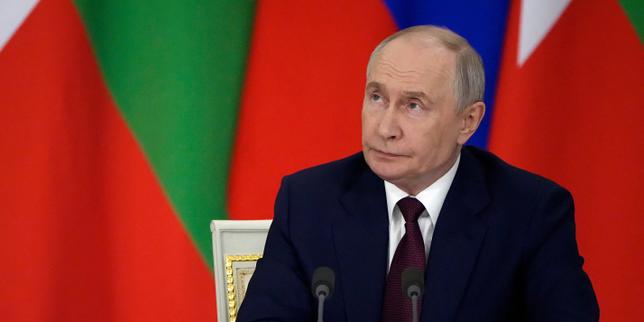
Political pressure in Moscow has reached a boiling point. If you watch how the state handles dissent, you notice a stark pattern of fear masquerading as strength. The Kremlin isn't just silencing critics. It's building an airtight informational echo chamber where even a whisper of peace becomes a threat to national security.
Let's look at what's actually happening on the ground. Citizens expressing antiwar sentiments face immediate administrative fines, job losses, or swift criminal prosecution under sweeping censorship laws. Independent media outlets are designated as foreign agents or undesirable organizations, forcing journalists into exile or underground networks. The message from authorities is loud and clear. Total conformity is the baseline requirement for survival.
The Anatomy of State Control
Why go to such extreme lengths over a few dissenting voices? Authoritarian regimes thrive on manufactured consensus. When an unpopular military campaign drags on, public fatigue sets in. The government knows that spontaneous protests, no matter how small, can snowball into widespread unrest.
- Street demonstrations are choked off before they start using facial recognition technology.
- Online platforms face aggressive throttling or total blockades if they host independent commentary.
- Cultural figures, artists, and academics are blacklisted overnight for failing to toe the official line.
This systematic silencing creates a chilling effect across society. People self-censorship out of self-preservation. Conversations about foreign policy happen behind closed doors or on encrypted messaging apps with strict privacy settings.
Navigating Political Risk in Modern Russia
If you are tracking these developments, understanding the legal landscape is crucial. Legislation criminalizing "discreditation" of the armed forces applies to public statements, social media posts, and even private chats leaked to authorities. Legal safeguards for political expression have basically vanished. Activists and human rights defenders operate in an environment where any public gathering can be reclassified as an unsanctioned protest.
Organizations tracking these political dynamics, such as OVD-Info, document thousands of arbitrary detentions and court cases involving antiwar citizens. Their data shows how ordinary people—teachers, students, retirees—end up facing heavy fines or prison time simply for holding a blank piece of paper or sharing a news article online.
The Long-Term Cost of Silencing Dissent
Crushing opposition might secure short-term political stability for the ruling elite, but it hollows out society from the inside. When constructive criticism is criminalized, bad policy decisions go unchecked because no one dares to tell the truth to power.
The political horizon remains tightly controlled. Independent voices are forced into exile, and domestic opposition is dismantled piece by piece. What remains is a system running on pure inertia and fear, terrified of the day the public narrative finally cracks.