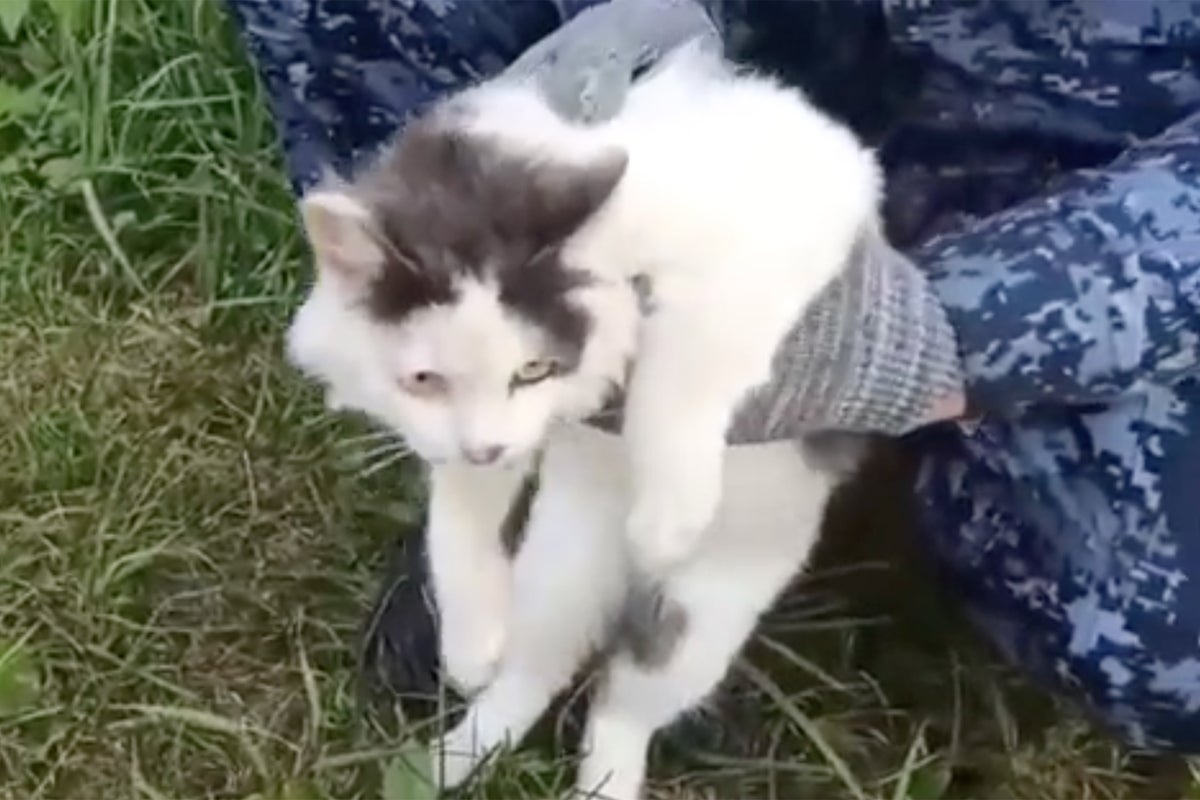
Russian prison guards didn't expect a stray feline to be their biggest security threat on a chilly morning patrol. Yet there it was, sneaking along the perimeter fence of Penal Colony No. 1 in the Komi Republic, carrying a customized collar packed with hashish and cannabis.
Smugglers used a domesticated animal to bypass fences, guards, and search points. The incident, along with several similar cases across Russian penal colonies over recent years, highlights the extreme measures contraband networks take to reach incarcerated buyers. Also making headlines recently: How India Is Using Concessional Credit to Softly Build Global Influence.
Understanding how contraband enters high-security facilities requires looking at how criminal networks adapt to security upgrades. When physical barriers improve, smugglers target the blind spots that security cameras and metal detectors miss.
The Komi Republic Incident and the Rise of Feline Smugglers
Penal Colony No. 1 sits near Syktyvkar, the capital of Russia’s Komi Republic. It’s a maximum-security facility designed to keep inmates isolated from the outside world. Concrete walls, barbed wire, and armed towers guard the perimeter. Further information on this are covered by The Guardian.
Guards spotted a cat climbing the outer fence during a routine inspection. The animal moved with purpose, heading toward the residential zone where inmates slept. When officers intercepted the cat, they noticed something heavy around its neck.
Wrapped in thick masking tape was a makeshift collar holding several packages. Tests confirmed the contents were hashish and cannabis, totaling over 100 grams. That’s a massive quantity inside a prison setting, where a fraction of a gram commands a high price.
The cat wasn't acting on random instinct. It was homing in on familiar territory.
Inmates raised the cat inside the prison yard months prior, feeding it treats and giving it shelter. Once the cat formed a strong attachment to the cellblock, an inmate smuggled the animal outside the walls through an outgoing delivery truck or corrupt contact. Outside accomplices loaded the collar with illegal substances and released the cat near the perimeter fence. The cat’s homing instinct did the rest of the work. It simply wanted to return to its bowl and the humans who fed it.
Not an Isolated Event Across Russian Penal Colonies
The Komi incident isn't a one-time anomaly. Similar cases surfaced in other regions across Russia, showing a recurring blueprint among contraband operators.
In the Republic of Tatarstan, guards at Penal Colony No. 10 intercepted a cat carrying 10 grams of hashish sewn into a fabric harness. The animal had been snuck out of the facility weeks earlier, taken to a nearby town, loaded with drugs, and set free near the boundary fence.
Another high-profile attempt happened in Ivanovo Oblast. Corrections officers caught a feline carrying methadone and synthetic cannabinoids concealed inside an oversized leather collar.
These cases show a clear pattern:
- Inmates adopt stray cats roaming around the prison yard.
- They condition the animal using food rewards and shelter inside specific cellblocks.
- Collaborators transport the cat outside the facility perimeter.
- Outside networks attach packages containing high-value contraband.
- The animal follows its training back to its food source, walking past guard posts undetected.
Prison authorities quickly realized that stray animals, long viewed as harmless pest control for mice and rats, represented a major security vulnerability.
Why Animal Smuggling Works Better Than Traditional Methods
Prison security systems stop metal objects, weapons, and obvious unauthorized visitors. They monitor human traffic, search incoming supply trucks, and scan mail.
Animals slip through these defenses for several practical reasons.
First, standard security sensors ignore biological heat signatures from small animals. Thermal cameras and motion sensors tuned for human movement routinely filter out cats, dogs, or birds to avoid false alarms.
Second, search dogs trained to detect drugs respond to scent, but guards don't routinely run drug-sniffing dogs over every stray animal walking near a fence line.
Third, the legal framework surrounding animal "accomplices" presents a bizarre dilemma for law enforcement. You can't interrogate a cat, and you can't charge an animal with a criminal offense. When guards catch a feline carrying contraband, the immediate criminal case stalls unless investigators link the physical package to a specific inmate or outside accomplice through DNA, fingerprints, or phone records.
In one court case following a feline interception in the Tula region, defense lawyers argued that the seized drugs could not be tied to their client because the cat's arrival path was unpredictable. The court actually struggled to establish direct custody chains, showing how animal delivery routes exploit legal loopholes just as effectively as physical ones.
How Corrections Agencies Are Closing the Loophole
Russian correctional authorities (FSIN) implemented strict new protocols across regions where these incidents occurred.
Prisons initiated stray animal removal programs. While stray cats were previously tolerated because they kept rodent populations under control, warden directives now require prompt removal of all free-roaming animals from prison grounds.
Officers updated physical perimeter checks to include fine-mesh wiring along lower fence sections, preventing small animals from squeezing through gaps.
Forensic teams changed how they handle seized contraband packages. Packages found on captured animals undergo immediate fingerprint recovery and trace DNA analysis. In several instances, forensic experts matched microscopic skin cells found on the inner tape of collars to specific inmates, securing convictions for drug trafficking despite the lack of eyewitness testimony.
Thermal detection software now includes small-target recognition settings along high-risk perimeter zones, alerting control rooms to any creature crossing the outer line regardless of size.
Actionable Security Lessons for Facility Managers
Contraband prevention requires constantly testing assumptions about how items enter a restricted zone. The feline smuggling cases offer concrete steps for security personnel in any secure environment.
- Conduct perimeter reviews for low-level gaps. Most security focuses at eye level or above, but gaps near the ground level offer easy access for small payloads or animals.
- Eliminate unmonitored animal populations. Domesticated or stray animals inside a perimeter represent potential transport channels. Establish clear zero-tolerance policies for animals inside restricted areas.
- Apply forensic standards to all seized contraband. Never treat an animal-based interception as an unsolvable mystery. Apply fingerprint powder, chemical analysis, and trace DNA sampling to binding materials, collars, and tapes immediately upon recovery.
- Train perimeter staff on low-profile anomalies. Guards should inspect anything moving near a perimeter wall, no matter how routine or harmless it appears.
Smugglers adapt quickly when traditional channels close. Stopping them requires looking past conventional threats and closing every avenue, no matter how small or unexpected it seems.