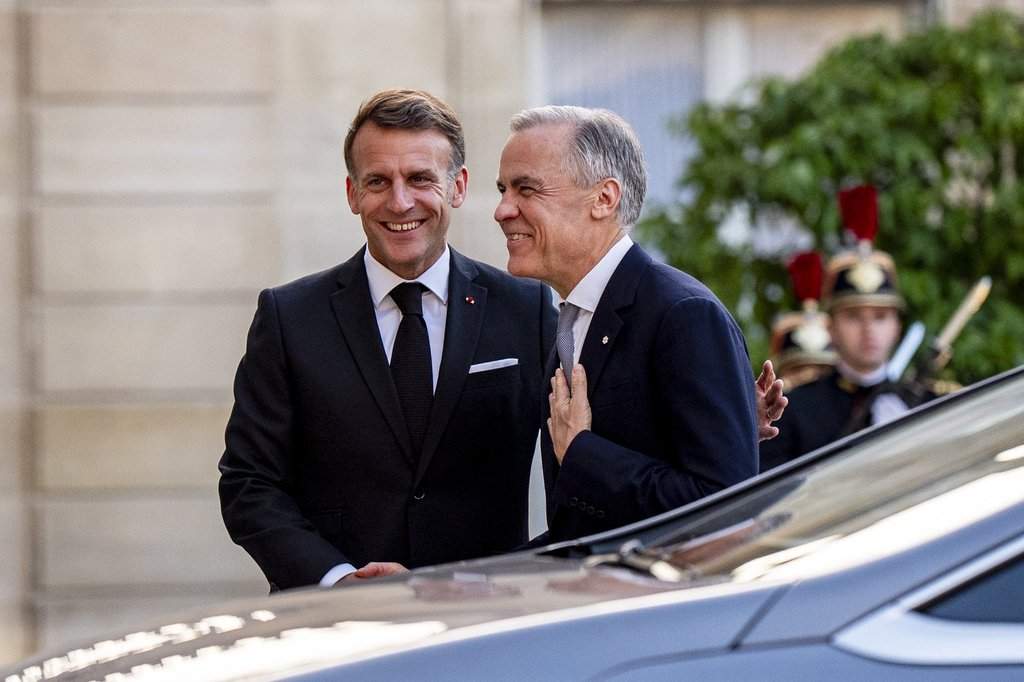
Geographic proximity has historically dictated trade alliances, but shifting global trade pressures are forcing unprecedented geopolitical realignments. When Canadian Prime Minister Mark Carney touched down in the French archipelago of Saint-Pierre-et-Miquelon to meet with French President Emmanuel Macron, the location itself communicated a distinct strategic message. Situated just twenty-five kilometers off the southern coast of Newfoundland, this tiny European territory became the backdrop for a major recalibration of security, defense, and energy policy between Ottawa and Paris.
The meeting materialized directly in the shadow of escalating trade friction with Washington. As the United States adopts increasingly protectionist measures and exerts pressure against tighter integration between middle powers and European institutions, traditional allies are quietly constructing alternative diplomatic pathways. Carney's administration has made no secret of its intent to diversify Canada's economic dependencies, accelerating discussions around European alignment while securing critical bilateral arrangements with continental partners. Also making news recently: The Asymmetric Economics of Air Defense Attrition.
Beyond Symbolism
Opting for Saint-Pierre-et-Miquelon over a traditional capital city summit was a calculated maneuver. It places European soil directly adjacent to North American waters, reminding observers that France maintains a permanent physical footprint in the Western Hemisphere.
Behind closed doors, the agenda moved past diplomatic pleasantries into concrete infrastructure and defense commitments. Both leaders tackled pressing issues surrounding critical minerals, energy transition frameworks, and shared space technology initiatives, including collaborative rocket launch capabilities. These sectors represent vulnerable chokepoints in modern industrial economies. By pooling technical resources and regulatory standards, Canada and France aim to insulate their domestic markets from external supply chain shocks. Further information into this topic are detailed by Associated Press.
The regional joint cooperation commission between Atlantic Canada and the islands has been tasked with expediting these initiatives, turning a historic outpost into an active economic conduit.
The Economic Realities of Strategic Autonomy
Diversifying away from dominant trading partners is rarely seamless or inexpensive. For Canada, integrating more closely with European regulatory frameworks requires navigating complex logistical and political hurdles, particularly when balancing provincial jurisdictional interests with federal foreign policy goals.
Yet the long-term calculus driving Ottawa and Paris is straightforward. When traditional multilateral trade agreements face paralysis or hostile renegotiation, middle powers must forge bilateral sub-networks to maintain market stability. Energy security remains the primary catalyst. Europe's ongoing quest for reliable, non-hostile energy sources matches Canada's capacity as a major resource producer, provided the necessary infrastructure can be financed and constructed across the Atlantic basin.
Defense cooperation likewise received a substantial upgrade during the talks. Interoperability in defense technology and intelligence sharing ensures that both nations retain independent operational capacities, reducing their vulnerability to shifting political winds in other allied capitals.
The summit on the windswept islands off Newfoundland marks a permanent shift in how middle powers manage sovereignty in a fractured global economy. Treaties signed in quiet coastal outposts often signal weather patterns far more accurately than declarations made in crowded assembly halls.
The video above provides a look at the discussions between Canadian and French leadership regarding regional infrastructure and bilateral cooperation.