The Dawn Before the Searchlights
Before the sun breaks over the Palk Strait, the water is black. It is a quiet, heavy black that smells of wet diesel, brine, and old timber.
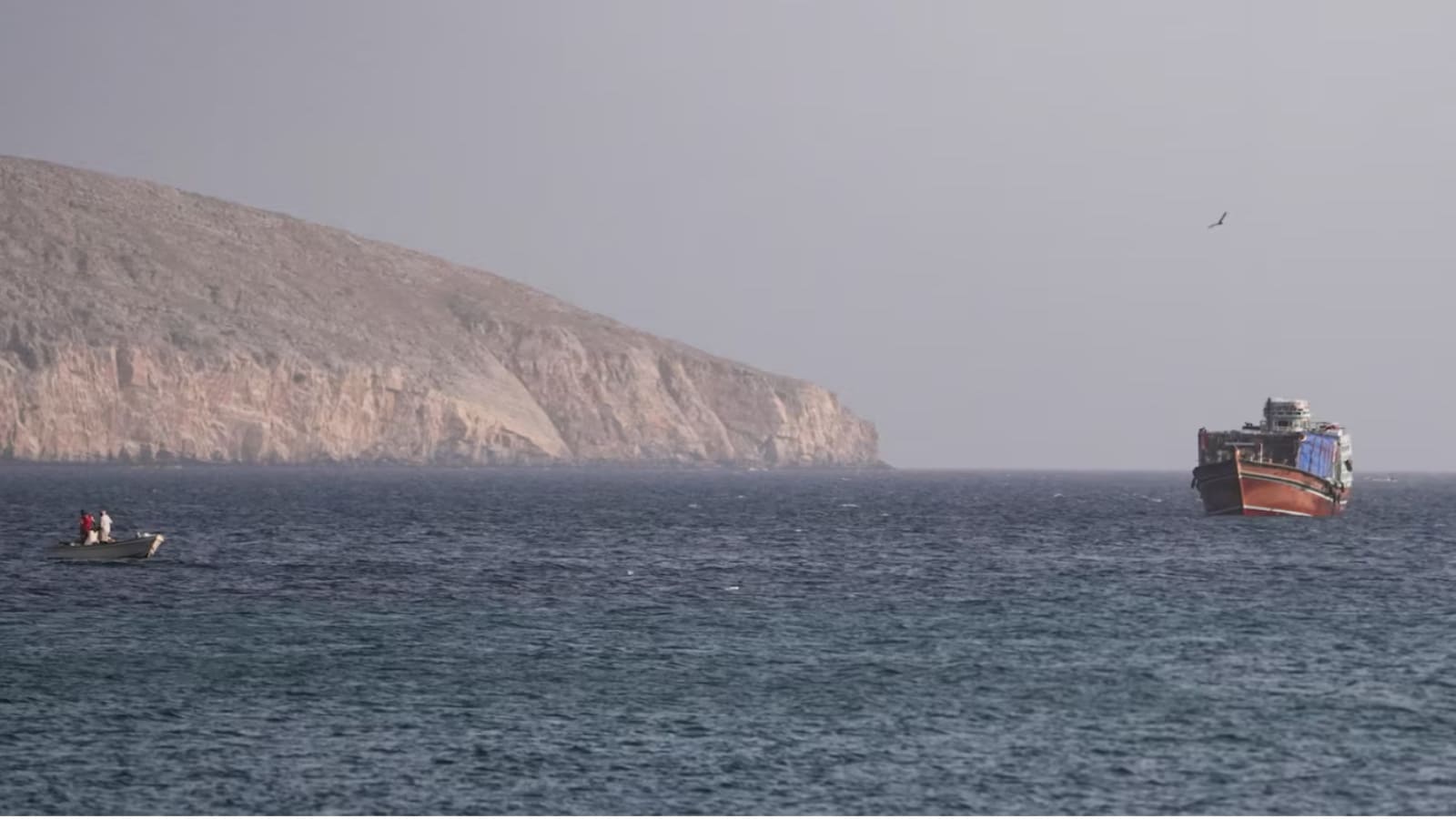
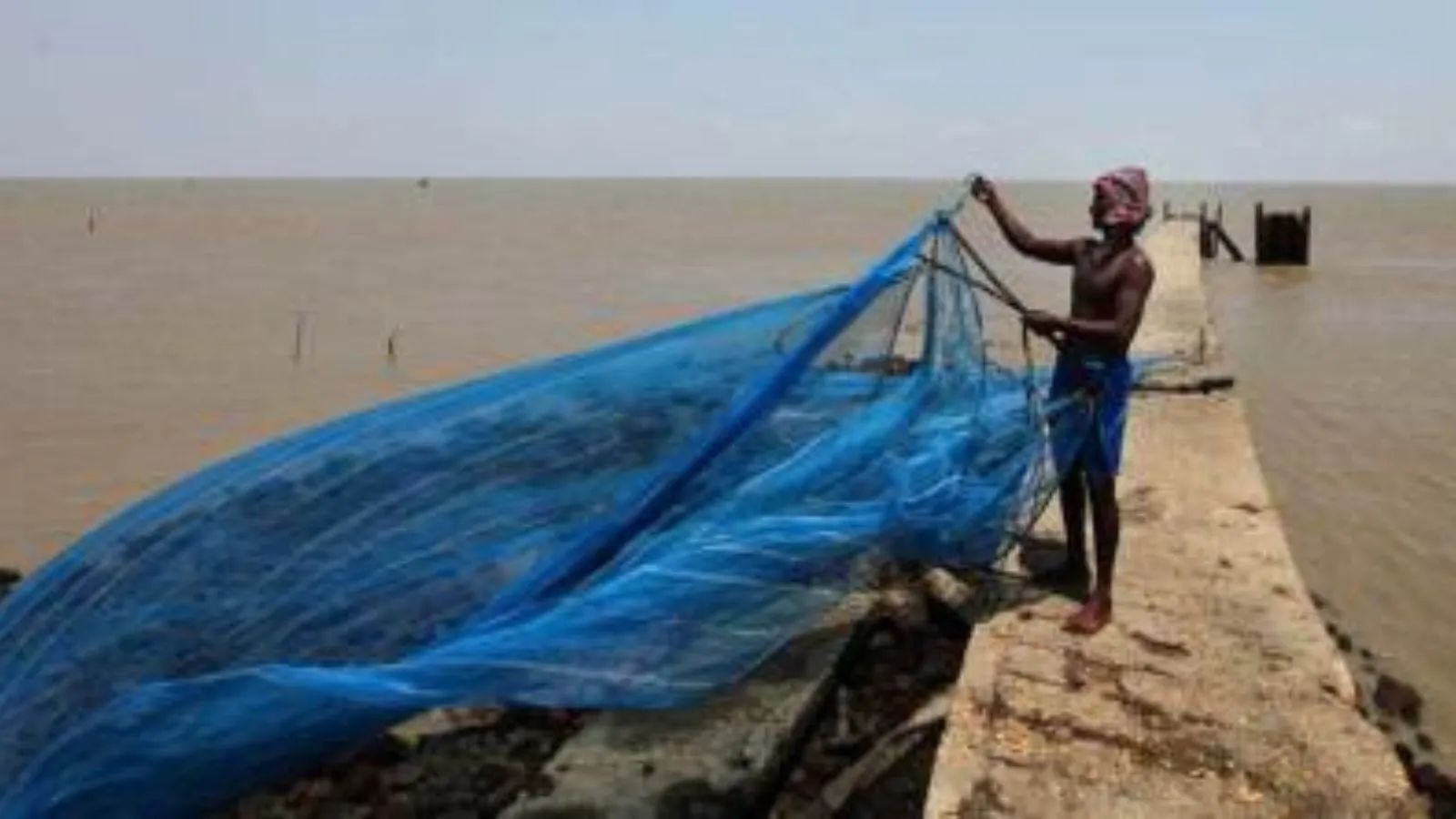
On a wooden trawler drifting near the sandbars of Talaimannar, a deckhand bends over his net. His hands are thick, calloused, and permanently stained with the grey oil of small marine engines. He does not check a smartphone for the news. He checks the tension on the nylon line between his fingers. Discover more on a connected subject: this related article.
Then comes the light.
It is not the soft orange of dawn. It is the blinding, white beam of a Sri Lankan Navy patrol vessel slicing through the mist. The roar of powerful twin engines drowns out the steady chug of the wooden boat. Within minutes, nine men find themselves surrounded, their day’s catch floating half-secured in the hold, their wooden craft seized, and their freedom gone. Further reporting by The Washington Post explores comparable views on this issue.
To a news editor skimming a ticker, this is a twenty-word wire report. Nine Indian fishermen arrested near Talaimannar. Another routine patrol. Another minor maritime border dispute.
To the nine men standing on the deck under the glare of naval searchlights, it is the total collapse of their immediate world.
A Border Drawn in Water
Water does not hold ink. You cannot pave a boundary across a narrow strait, nor can you plant a fence in choppy waves.
The Palk Strait, a narrow stretch of ocean separating the southern tip of India from the northern coast of Sri Lanka, is barely thirty miles wide at its narrowest point. For centuries, Tamil fisherfolk from both sides treated this stretch of ocean not as a division, but as a shared highway. They fished the same reefs, sought shelter in the same coves during sudden storms, and spoke the same language.
Then came modern statehood, legal maritime boundaries, and political agreements.
In the 1970s, international treaties formally drew the maritime boundary line between India and Sri Lanka. Suddenly, water that families had fished for four generations became foreign territory. What was once a traditional livelihood became an illegal crossing.
Consider a hypothetical fisherman named Selvam. Selvam does not possess a complex GPS navigation suite on his modest wooden boat. He relies on landmark points, the stars, and an intuitive sense of the coastline passed down from his grandfather. But marine life does not respect international treaties. Prawns and bottom-feeding fish gather in high concentrations around the shallow reefs near Talaimannar—waters that now fall squarely within Sri Lanka’s Exclusive Economic Zone.
When the nets in your own depleted territorial waters come up light, the temptation to drift just a mile further into richer grounds isn't a political statement. It is a calculated gamble against poverty.
The Economics of a Cold Patrol
The reality on the ocean floor is driven by relentless economic pressure.
Decades of mechanized bottom trawling on the Indian side of the strait have severely damaged the seabed, drastically reducing fish stocks near the coast. Smaller Indian boats find themselves trapped in a cruel economic formula. Fuel prices rise every season. The cost of ice, nets, and engine repair eats away at potential profit. Returning to shore empty-handed means debt to local moneylenders.
Crossing the invisible line into Sri Lankan waters offers a chance to fill the hold. But the risk is absolute.
For the Sri Lankan Navy, the perspective is entirely different. Protecting national sovereignty and defending territorial waters is a primary mandate. Beyond sovereignty lies the urgent plea of Sri Lankan fishermen in the Northern Province. Having survived decades of civil conflict, these northern Sri Lankan communities are trying to rebuild their lives and livelihoods. When large fleets of mechanized trawlers cross over from India, they scrape the seafloor bare and tear through the fragile nets of local fishers who rely on traditional, low-impact methods.
It is a tragedy where both sides are bound to their own undeniable logic. The Indian fisherman crosses the line out of desperation to feed his family. The Sri Lankan patrol enforces the law to protect its borders and its own coastal communities.
When those two forces collide in the dark near Talaimannar, the outcome is always the same.
What Happens When the Searchlights Fade
An arrest at sea sets off a slow, agonizing chain reaction that takes months to play out.
First comes the physical confiscation. The boat—often the sole income-generating asset for an entire extended family—is impounded. The catch is lost. The men are taken ashore, processed through naval facilities, and handed over to local law enforcement before being presented to a magistrate.
Back in a small coastal village in Tamil Nadu, the silence of the ocean travels fast.
A boat that fails to return at its scheduled dawn hour triggers immediate panic. Families gather on the beach, looking out over the water, waiting for a radio call or a message from neighboring vessels. Within hours, the confirmation arrives through informal channels or local administrative updates: the boat was detained near Talaimannar.
The immediate crisis is human, not political. Who pays the rent this month? How do the families afford school fees or basic groceries when the primary earners are sitting in a foreign detention facility?
Diplomatic machinery moves at a glacial pace compared to the immediate needs of a household. Formal letters are drafted. Maritime agreements are cited in regional capitals. State authorities appeal to national governments. Statements are issued demanding early diplomatic intervention and the safe return of the crew.
Yet, while diplomats negotiate protocols and maritime rights, nine real people sit in a holding center, staring at concrete walls, wondering if their confiscated boat will rust away before they are ever allowed to touch the helm again.
The Human Reality Beyond the Statistics
It is easy to become numb to numbers when incidents like this occur with predictable regularity throughout the year. Nine fishermen today. Twelve last month. Seven the month before.
Each number represents an entire web of human relationships. It represents an aging mother waiting for medicine, a child whose school books depend on the price of blue crabs at the morning auction, and a young deckhand who took his very first voyage just to pay off a family debt.
The ocean near Talaimannar remains serene today. The sun shines brightly on blue water that conceals every boundary humans have tried to map upon it. The fish will continue to migrate across the reef, indifferent to jurisdiction.
And somewhere along the coast, another boat is fueling up for the night run.