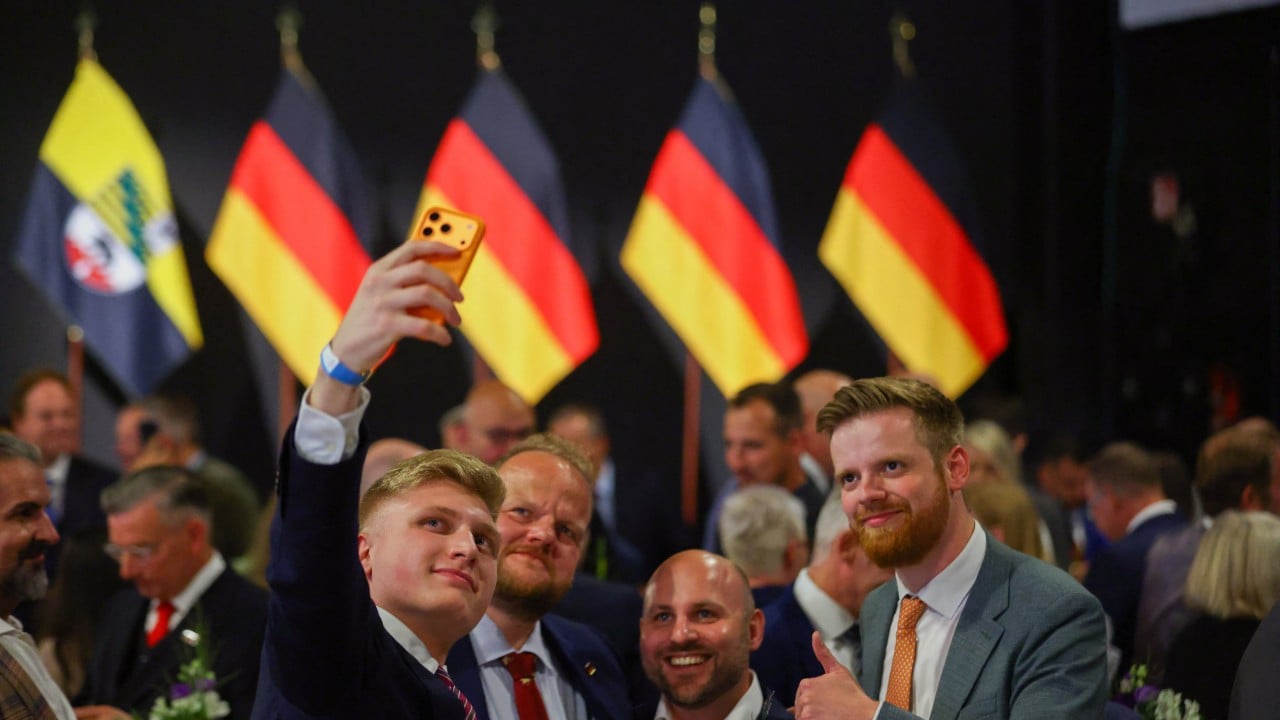
German politics just shifted on its axis. If you thought the rise of right wing populism in Europe was just a temporary blip, think again. Saxony Anhalt delivered a seismic message that establishment parties can no longer ignore. Exit polls show the Alternative for Germany party securing a massive landslide victory in the region, catching mainstream commentators completely off guard.
Voters aren't whispering anymore. They're shouting at the ballot box. You might also find this connected article interesting: Why Reducing Cold War Women to Double Agents is Lazy Historiography.
I’ve tracked European elections long enough to spot the difference between a routine protest vote and a structural realignment. This is the latter. When a party like the AfD wins big in eastern Germany, it exposes a deep fracture running right through the heart of Europe’s economic powerhouse. The mainstream media wants you to believe this is just about immigration or economic anxiety. Those factors matter, sure. But they miss the raw frustration voters feel toward Berlin's ruling coalition.
The Real Drivers Behind The Saxony Anhalt Earthquake
Look past the sweeping headlines. You have to understand local grievances to make sense of this result. Saxony Anhalt has dealt with decades of structural transformation, population drain, and a lingering sense of being treated as second class citizens compared to western states. As highlighted in detailed coverage by BBC News, the effects are widespread.
People there feel ignored.
For years, traditional parties promised prosperity, stability, and equal living standards. Instead, citizens watched rural infrastructure crumble while urban centers in the west reaped the benefits. When the AfD sweeps an election here, they capitalize on a very real deficit in representation. They show up in small towns where other politicians only visit during campaign cycles. That grassroots persistence pays off.
Let's look at the numbers. Turnout spiked. That destroys the old narrative that populist surges only happen when voters stay home in apathy. Energized crowds turned out in record numbers. They wanted change. They got it.
Why Mainstream Parties Keep Missing The Mark
Centrist politicians love to blame misinformation or foreign influence whenever they lose ground. It's a lazy defense mechanism. It lets them avoid looking in the mirror.
Voters aren't stupid. They weigh their options, check their bank accounts, and look at their local communities. When heating costs soar, small businesses struggle under bureaucratic weight, and public services lag, people look for a wrecking ball. The AfD plays that role perfectly.
I spoke with local business owners in the region last year. Their biggest complaint wasn't ideology. It was sheer exhaustion. Regulations pile up. Energy policies hurt heavy industry. Small towns lose their post offices, banks, and doctors. When traditional parties offer gradual reforms that change nothing, voters turn to political insurgents who promise to smash the system.
What This Means For The Rest Of Europe
Germany is the anchor of the European Union. When domestic politics here fracture, the shockwaves travel fast across Brussels, Paris, and Warsaw.
Other European nations are watching closely. The French National Rally and similar movements across the continent take direct inspiration from these eastern German strongholds. They see a blueprint for how to crack open traditional party monopolies.
If you run a business or manage investments in Europe, you can't treat this as background noise. Political instability changes regulatory environments, shifts energy priorities, and forces coalition compromises that paralyze policymaking.
How To Navigate The New Political Reality
You can't change election results from a desk, but you can prepare for the fallout.
- Monitor regional policy shifts closely. Local state parliaments control education, police forces, and municipal funding.
- Diversify your understanding of political risk. Stop listening only to national capitals; real political power is fragmenting downward and outward.
- Watch how mainstream parties react. If they respond by adopting stricter rhetoric without fixing underlying economic problems, expect more volatility ahead.
The old political consensus is dead. Saxony Anhalt proved it. Ignore the shift at your own peril.