The myth of the British home as an impenetrable fortress is burning to the ground. For decades, the national conversation around property risk centered on the damp—the slow, creeping menace of flooding or subsidence. We built our policies and our insurance models around water. We were wrong.
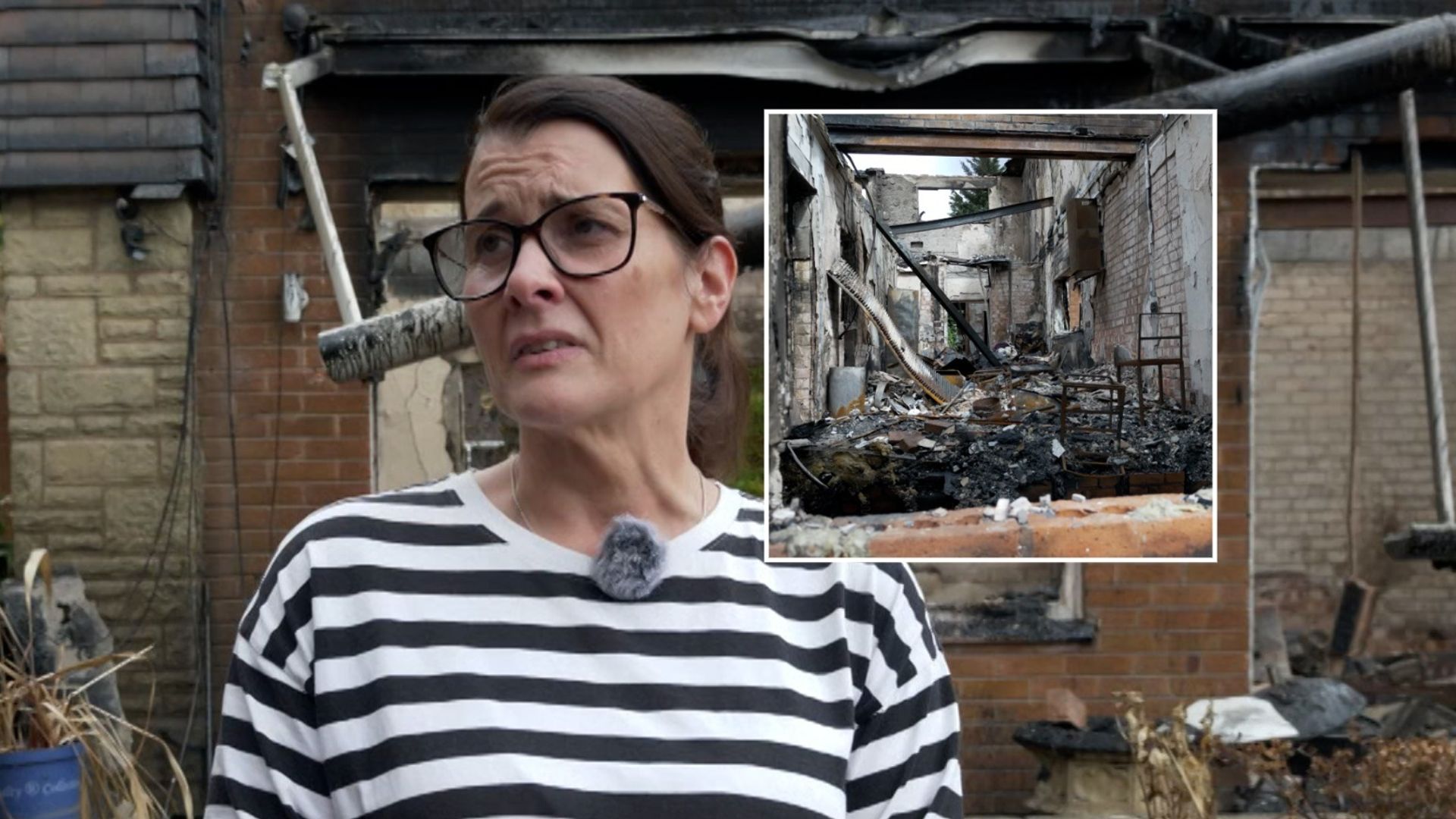
Last week, a ferocious wildfire tore through Stourbridge, stripping families of their childhood homes in a matter of hours. This was not a freak accident. It was the violent arrival of a new environmental era that our infrastructure, our mortgage lenders, and our emotional expectations are entirely unprepared for. When the tinder-dry earth ignites, the traditional concept of home ownership undergoes a brutal transformation. You do not just lose a structure. You lose the equity, the history, and the possibility of return. Building on this theme, you can find more in: What the Nine Million Euro Gold Discovery in Termonde Actually Tells Us.
The fire that devastated these properties did not start in the homes themselves. It began on the nearby scrubland, fed by a summer of unprecedented heat, and surged across the landscape with terrifying speed. In the West Midlands, the fire service faced one of its most significant challenges in history, yet the reality is that such events are quickly becoming the new baseline. We are experiencing a fundamental shift in risk exposure that goes far beyond a single bad week in August.
Insurance markets are currently reeling from this realization. Historically, UK properties were low-risk for fire, meaning models were built on the assumption that fire was an internal threat, something contained by smoke alarms and electrical safety. Today, the threat is external and atmospheric. Insurers are now scrambling to reprice risk in areas previously considered benign. If your home sits near woodland, heathland, or even an overgrown agricultural boundary, your property value is already being recalculated by institutions that see climate-driven wildfire as a permanent, systemic liability. Analysts at BBC News have shared their thoughts on this matter.
The economic fallout is hidden but deep. Research indicates that when property suffers a catastrophic environmental event, the impact on value is not a temporary dip. It is a long-term erosion. While flooding data has long shown that affected homes lose value and become trapped in a cycle of stagnation, the wildfire data is only just beginning to emerge. The psychological damage to a community—the "never coming back" sentiment—is not just an emotional response. It is a rational assessment of the future. Why invest in a repair when the underlying environment is fundamentally hostile?
We are seeing a growing divergence in the housing market. On one side, those with the capital to buy in "safe" zones are accelerating their retreat from high-risk environments. On the other, those with less flexibility remain tethered to properties that are increasingly difficult to insure and even harder to sell. This creates a trap. Homeowners who stay in affected areas find themselves as involuntary stewards of assets that are losing their utility as stores of wealth.
Consider the reality of a homeowner in a high-risk zone today. Their mortgage provider is looking at the same climate models that show a marked increase in heat-wave frequency. The insurance provider is looking at the combined ratio of storm, flood, and fire claims, which has already pushed some firms into projected underwriting losses for the year. The homeowner is the final piece of this chain, holding the physical asset that no one else wants to fully underwrite or value at its original price.
There is a dangerous tendency to view these incidents as "weather events," implying they are ephemeral. The wildfire in Stourbridge is not a standalone story. It is part of a sequence that includes record-breaking subsidence claims and a steady decline in the perceived resilience of our building stock. When you combine the physical destruction with the tightening of credit and the rising cost of premiums, the stability of the average British family home becomes fragile.
Repairing the physical damage is the easy part. The harder task is addressing the systemic vulnerability that allowed a grass fire to destroy a residential street. We have ignored the intersection of land management, urban planning, and climate reality for too long. We have allowed suburban sprawl to bleed into untamed natural fringes without putting in place the necessary firebreaks or vegetation management. We have treated our homes as static assets in a world that is becoming increasingly dynamic and aggressive.
True resilience requires more than just better hoses or faster response times from fire services. It requires an honest reckoning with where we build and how we maintain the space between our front doors and the wild. If we continue to build in high-risk zones without adapting our structural standards to withstand external heat and fire, we are simply waiting for the next spark. The era of assuming that a home is a permanent legacy is over. It is now a high-stakes gamble against a changing climate that plays for keeps.
Those who have already lost their homes in Stourbridge are living out the future of property ownership. They are discovering that the support systems—the council plans, the insurance payouts, the community empathy—are built for the occasional disaster, not for the relentless, recurring reality of a warming world. We are not just facing a temporary housing crisis. We are facing a permanent loss of certainty.
The devastation of the Stourbridge wildfire
This video documents the rapid destruction of properties in Stourbridge, illustrating why the threat of external environmental factors like wildfires is becoming a critical issue for homeowners and insurers alike.