We measure our lives in ordinary increments. A glance at the dashboard clock. The low hum of the heater. The radio playing a song you have heard a hundred times before, yet somehow never really listened to until now.
Then comes the fraction of a second when the physics of routine violently fracture.
Consider what happens on a stretch of asphalt when judgment evaporates behind a steering wheel. It does not happen in slow motion, despite what the movies tell you. It happens abruptly. Metal screams against metal. Glass explodes into a million glittering diamonds that catch the headlights for a final, cruel instant. And just like that, two lives are extinguished, leaving behind a silence so absolute it feels heavy enough to crush the lungs.
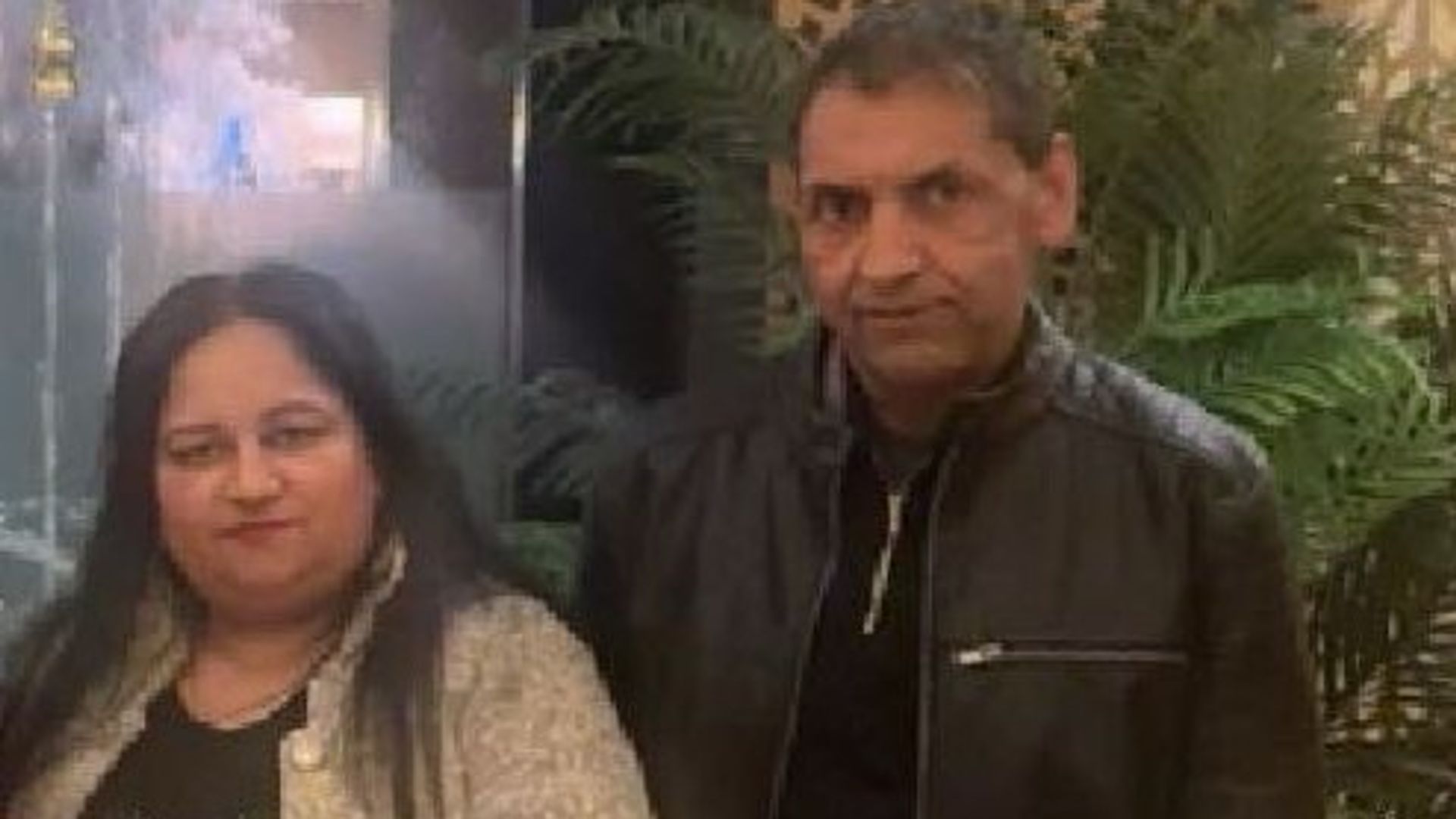
This is the grim reality behind a recent courtroom judgment involving a former college lecturer sentenced to prison for killing a couple in a devastating drink-driving crash. Headlines call it a tragedy. Statistics log it as a fatality metric. But numbers fail to capture the hollow ache that reverberates through families who suddenly find themselves planning funerals instead of holiday dinners.
The Anatomy of a Choice
Nobody sets out to destroy a life when they pour that first glass, or even the second. That is the insidious nature of alcohol. It whispers lies of competence. It tricks a functioning, educated adult—someone entrusted with shaping young minds in a lecture hall—into believing that physics can be negotiated, that reaction times remain sharp, that this time will be different.
We have all known that nagging voice of hesitation. Should I drive? But then rationalization steps in. I feel fine. It is only a few miles. I know these back roads.
That internal negotiation is where the disaster takes root.
In this case, the man behind the wheel was an educator. A person whose professional life was supposedly dedicated to logic, consequences, and critical thinking. Yet, in a fateful lapse of judgment, all those years of academia dissolved into a toxic cocktail of alcohol and overconfidence. He drove. He crossed the centerline. He stole a future.
The Invisible Aftermath
When a drunk driving collision occurs, the immediate horror is localized to the twisted wreckage on the highway. Sirens wail. Flashing red and blue lights paint the night sky. First responders work with grim efficiency.
Yet, the true destruction radiates outward in invisible shockwaves.
Think of the victims. A couple, perhaps deep in conversation about their weekend plans or an upcoming anniversary, robbed of tomorrow in the blink of an eye. Their laughter, their inside jokes, their shared history—all reduced instantly to a police report and vacant chairs at a dining room table.
And think, too, of the perpetrator. Locked behind iron bars, forced to sit with the unbearable weight of a permanent mistake. No tenure, no academic achievement, no defense argument can ever erase the fact that his hands ended two lives. The prison sentence is handed down by a judge, but the psychological confinement is lifelong.
The Fallacy of the Social Drink
Society has a strange relationship with alcohol. We toast to weddings, commiserate at wakes, and unwind after grueling work weeks with a pint or a glass of red. It is woven into the very fabric of social interaction.
Because it is ubiquitous, we treat it with casual familiarity. We forget that it is a potent chemical compound capable of altering perception, inhibiting impulse control, and fundamentally rewriting the brain's risk assessment engine.
When an educated professional crosses the line from social drinking to operating a two-ton missile at high speed, it forces an uncomfortable societal mirror. It tells us that this horror does not just belong to hardened criminals or reckless youths. It can happen to anyone who lets their guard down for a single, fatal hour.
The Final Reckoning
The courtroom doors close. The gavel falls. A specific number of years behind bars is assigned to balance the scales of justice.
Yet, justice in these moments feels terribly fragile. No prison term can resurrect the dead. No remorse can stitch back together the shattered hearts of the families left behind.
We are left standing at the edge of the wreckage, staring at the shattered glass on the pavement, haunted by the terrifying ease with which an ordinary Tuesday night can transform into an eternity of regret.
The headlights fade. The highway clears. But the question remains hanging in the dark, demanding an answer every time someone reaches for car keys after a drink: Is it worth it?