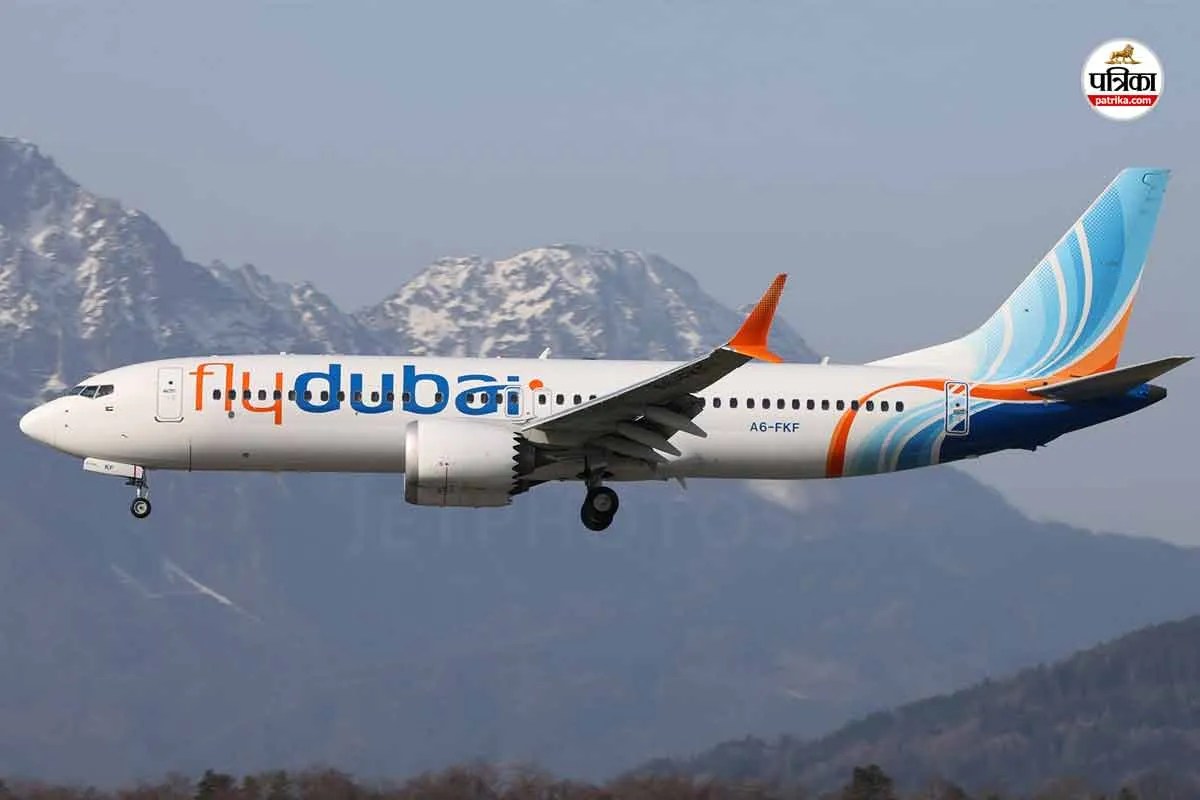
Altitude is a cruel illusion. From the passenger cabin, thirty-five thousand feet above the earth feels like a sanctuary of quiet hums, lukewarm coffee, and distant clouds drifting past double-paned glass. But up front, inside the cramped theater of the flight deck, the atmosphere is razor-thin. There is no margin for error. There is only the flight path, the instruments, and the fragile trust placed in the hands of two human beings.
Then, the door opens. Discover more on a connected issue: this related article.
Imagine the sudden shock of air pressure shifting, the sound of a scream cutting through the steady roar of the turbines, and a violent intrusion slicing through the routine of a normal night flight. This was not a mechanical failure. This was not a software glitch born from a silent circuit board. This was an ambush in the dark, unfolding thousands of feet above the ground, turning the cockpit into a chaotic battleground where one hundred and seventy-four lives hung by a thread.
The Anatomy of a Mid-Air Nightmare
The details of the FlyDubai incident read like a psychological thriller, yet every terrifying second is rooted in the harsh reality of aviation history. When a cockpit is breached—whether by external turbulence, sudden medical emergencies, or human malice—the physiological response in the human body is instantaneous. Adrenaline floods the bloodstream. Tunnel vision sets in. Fine motor skills degrade. More journalism by The Guardian highlights similar views on this issue.
Captain and crew train for engine fires. They drill for sudden decompression. They simulate electrical blackouts until the protocols become muscle memory. But nothing prepares a human mind for the betrayal of safety within the inner sanctum.
In that split second, the aircraft becomes a runaway chariot.
Consider the physics alone. An airliner cruising at high speed is an equilibrium of delicate forces. Lift, drag, thrust, and gravity are locked in a silent negotiation governed by fractions of a degree. A sudden scuffle, a distracted pilot, or an uninvited physical struggle against the flight controls disrupts that balance instantly. The nose dips. The airspeed climbs. The altimeter unwinds with dizzying speed.
Passengers in row twenty-four feel nothing at first—perhaps a slight dip in the stomach, a momentary lurch that causes someone to tighten their seatbelt. They continue reading their magazines. They sleep against the window. They have no idea that the ceiling above them is a thin barrier separating orderly civilization from absolute ruin.
When Coincidence Wears the Face of Salvation
Luck is a strange architect. We spend our lives trying to engineer certainty, building redundancies into our machines and backup generators into our buildings, yet history repeatedly turns on the pivot of sheer, unadulterated coincidence.
In aviation, safety is never absolute. It is a Swiss cheese model of accident prevention, where multiple layers of defense are stacked against disaster. But sometimes, those layers align not through human design, but through a bizarre twist of timing and geometry that defies statistical probability.
During the FlyDubai crisis, as chaos threatened to overwhelm the flight deck, an unexpected convergence of events unfolded. A momentary pause in the struggle. A precisely timed altitude adjustment. An invisible hand of geography and weather that conspired to buy seven critical seconds.
Seven seconds.
In ordinary life, seven seconds is nothing. It is the time it takes to tie a shoelace or wait for a traffic light to turn green. In an aviation emergency, seven seconds is an eternity. It is the boundary between a smoking crater in an unmapped field and a bumpy landing on a lit runway where passengers complain about the baggage claim.
Those who investigate air disasters speak of the golden window. React too slowly, and physics takes the wheel. React too quickly with the wrong input, and you accelerate the disaster. The pilots caught in this nightmare did not execute a textbook maneuver forged in a simulator. They survived through raw instinct, muscle memory, and the miraculous intervention of an improbable sequence of events that kept the aircraft from entering an unrecoverable dive.
The Fragility of Modern Travel
We board metal tubes every single day with casual indifference. We plug in our headphones, adjust our air vents, and surrender our lives entirely to strangers sitting behind a locked reinforced door. We trust the training. We trust the technology. We trust the invisible architecture of global air traffic control.
Yet, every flight is a minor miracle.
When a story like this breaks, our collective anxiety flares. We read the headlines on our phones while riding the subway, feeling a cold shiver at the thought of vulnerability at five hundred miles per hour. Then we lock our screens, pocket our devices, and book our next vacation anyway. Because human nature requires optimism to function. We must believe that the door will hold. We must believe that the people upfront are stronger than the chaos outside.
The FlyDubai incident remains a chilling reminder of how thin the veneer of safety truly is. It proves that no amount of engineering can completely insulate us from the unpredictability of human behavior. But it also proves something deeply reassuring.
Even when the worst happens—when panic fills the cockpit and the ground rushes up to meet the sky—there are forces at work that defy the odds. An alignment of timing. A stroke of fortune. A sudden breath of clarity in the middle of a storm.
The passengers walked off that plane into the terminal lights, smelling jet fuel and stale coffee, entirely unaware of how close they came to the edge. They collected their bags. They hugged waiting relatives. They stepped out into the night air, breathing deeply, grateful for a world that kept spinning on its axis, saved by an unbelievable coincidence in the dark.


