The wind does not care about borders. It slips down the slopes of Mount Hermon, brushes across the terraced olive groves of southern Lebanon, and carries the scent of dry earth and woodsmoke toward the coast. For generations, this air has moved freely across a landscape that humans have carved into lines, fences, and checkpoints.
Right now, those lines are shifting.
To understand what is happening in the southern reaches of Lebanon, you have to look past the dispatches of map coordinates and division numbers. You have to look at a kitchen table in a stone house outside Tyre, where an old man named Elias sits with a transistor radio pressed close to his ear. The volume is turned down low, just enough to catch the bulletins without waking the anxiety in the room. He listens to reports of armored columns moving through valleys that his grandfather farmed, of new concrete emplacements rising where wildflowers used to grow, and of an expanding military footprint that treats his homeland as a temporary theater for a permanent war.
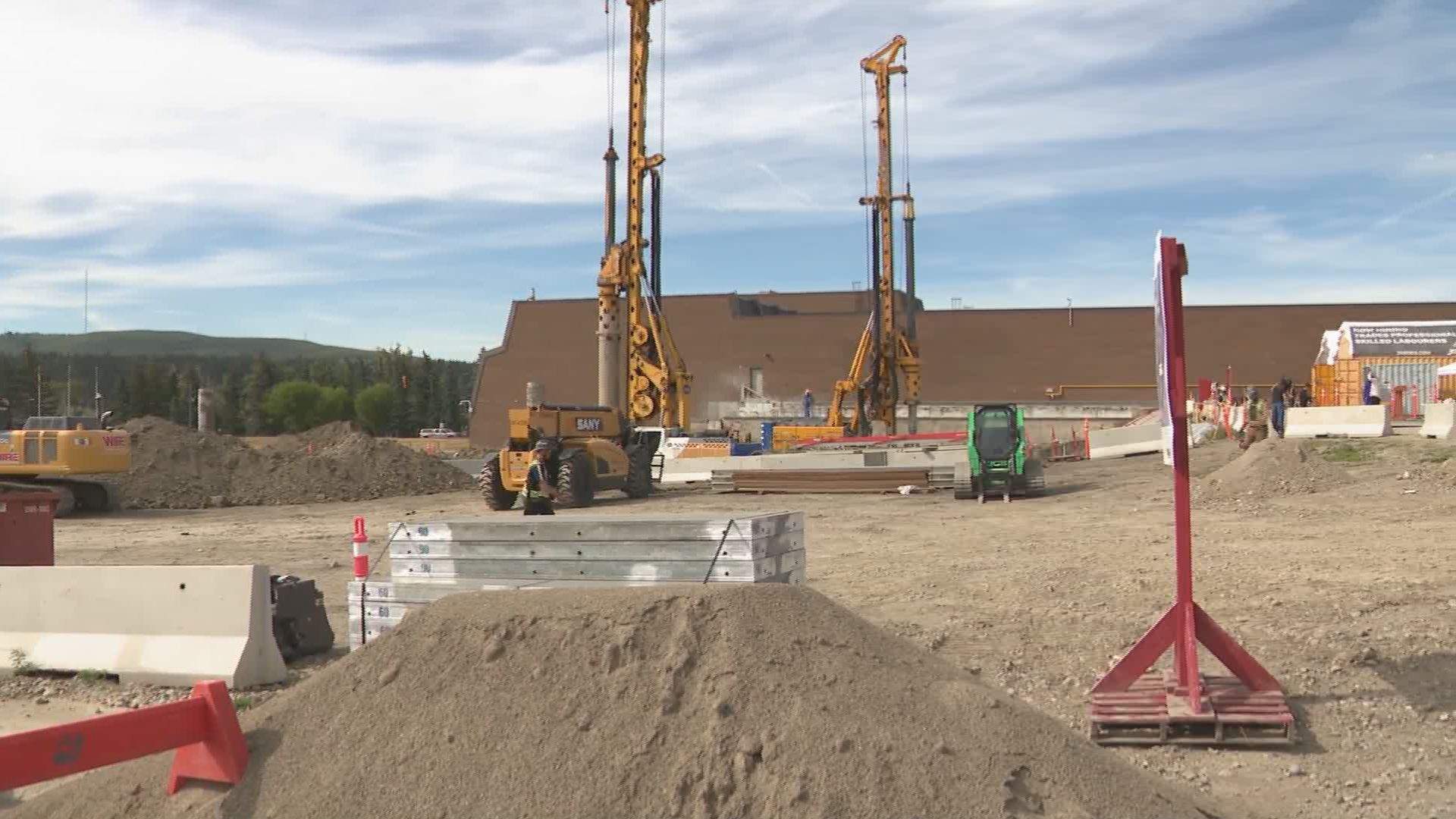
The facts of the situation are cold, bureaucratic, and relentless. International observers and journalists who manage to slip past the military cordons report a steady, calculated widening of operations. This is not merely the reactive defense of a border; it is a methodical reshaping of topography. Bulldozers tear into hillsides to carve out observation posts. Heavy tracks chew up asphalt roads that connect villages whose names most people outside the region cannot pronounce, let alone locate on a map.
Elias remembers when those roads were used for harvest trucks, not tanks.
"They measure distance in kilometers," Elias says, gesturing vaguely toward the distant ridges where the horizon trembles with the heat haze of distant detonations. "We measure distance in generations. Every time they push a little further up the slope, they take another piece of our history with them."
This is the invisible architecture of expansion. Modern conflict rarely arrives all at once with a thunderclap. More often, it creeps. It begins with artillery duels that empty the orchards. Then come the restricted zones, where farmers are told it is too dangerous to harvest their olives. Then the temporary outposts are poured in concrete, turning into permanent installations. Bit by bit, the map is redrawn by force of arms, while international bodies issue statements of deep concern that sound less like warnings and more like background noise.
To walk through the areas where this expansion is taking place is to step into a ghost world. Whole villages have emptied, their shutters slammed shut against the dust and the shockwaves. The bakeries are cold. The schoolyards, once echoing with the sharp, joyful shouts of children playing soccer, are now silent parking spots for military hardware or covered by camouflage netting.
Consider the plight of families who fled north toward Beirut weeks ago, living out of suitcases in borrowed apartments or crowded community centers. For them, the expansion of the military footprint in the south is not a strategic headline on the evening news. It is the closure of the door to home. Every mile of territory claimed, fortified, or contested by advancing forces is a mile that pushes their return further into an uncertain future. They watch the news with a knot in their stomachs, waiting for the frame to widen enough to show their specific street, their specific neighborhood, their specific lemon tree.
Military planners call this establishing a secure perimeter or creating operational depth. These terms are linguistic anesthesia, designed to dull the senses against the reality of displacement and destruction. They turn human homes into buffer zones. They convert ancient orchards into fields of fire.
The strategy relies on a grim calculus: if you make a place uninhabitable long enough, people will stop trying to inhabit it.
Yet, human resilience defies bureaucratic mapping. In villages closer to the frontlines, elderly residents who refused to leave tend to their goats under the roar of overhead surveillance drones. They are the human anchors of a disappearing world. They carry water from communal wells when the electricity grids fail. They share bread baked in wood-fired ovens because the commercial bakeries twenty miles away were leveled by a targeted strike. Their presence is an act of quiet defiance against a landscape being engineered for war.
As international journalists visit these occupied and contested sectors under heavy escort, they capture the surface symptoms: the fresh churn of earth, the heavy armor parked beside ancient stone walls, the nervous checkpoints where young soldiers check papers with eyes glazed by exhaustion and adrenaline. But the deeper story remains elusive to the camera lens. It is found in the weight of the silence that settles over the valleys when the guns fall silent for an hour. It is found in the resignation of people who have survived multiple wars and now watch, with weary eyes, as the cycle tightens its grip once more.
The expansion continues. The concrete sets. The barbed wire rusts in the damp coastal air. And down in Tyre, Elias turns off the radio, walks out onto his balcony, and looks south toward the hills that have held his family's story for two centuries. The sun is setting behind the ridge, painting the sky in violent shades of orange and bruised purple, a brilliant, terrifying reminder that even the oldest lands can be made strange overnight.