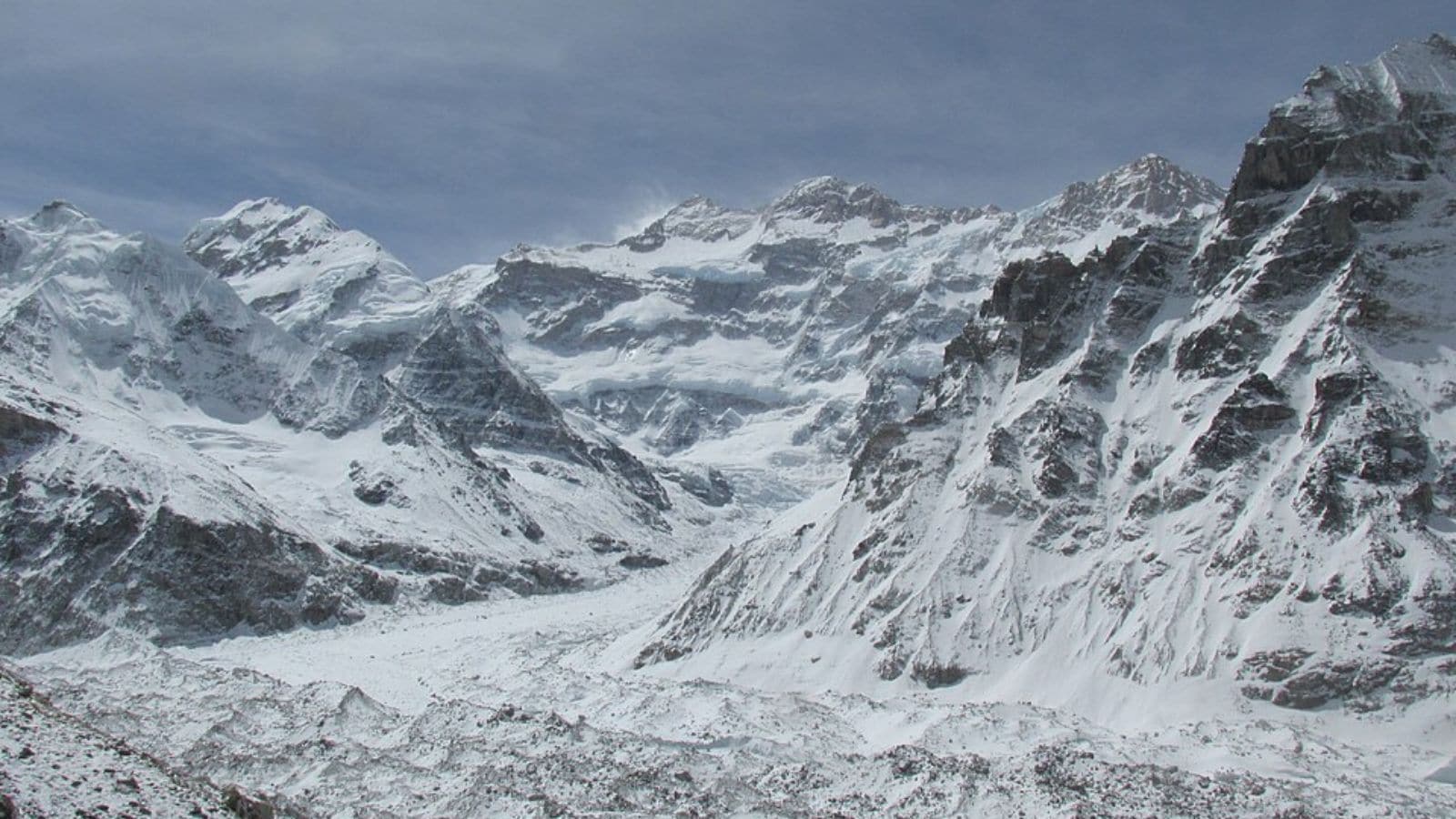
The white noise of the high Himalaya is rarely peaceful. At 7,126 meters, the slopes of Himlung Himal in Nepal’s Manang district do not merely exist; they shift, groan, and occasionally collapse under the immense weight of unseasonable skies. When a massive avalanche tore through the base camp, it did not catch elite Western mountaineers basking in the glory of a summit push. It swallowed the people whose names rarely make the glossy coffee-table photography books—the kitchen hands, the logistics crew, the local support staff sent ahead to pitch the tents.
Out of the dozen-plus individuals reported missing, the overwhelming majority were Nepali staff. They were there because the commercial climbing machine demands early positioning, regardless of what the weather patterns dictate.
To understand why base camps on peaks like Himlung Himal, Manåslu, and Dhaulagiri are increasingly turning into disaster zones, one must look past the romanticism of high-altitude adventure and examine the brutal logistics of modern expedition economics. For years, the commercial guiding industry has pushed seasons wider, squeezing climbing windows into shoulders plagued by erratic weather. The disaster at Himlung is a glaring symptom of an industry operating on compressed timelines, where advance teams are sent into high-hazard zones weeks before paying clients arrive to establish infrastructure.
The mechanics of the disaster are rooted in relentless, abnormal precipitation. Incessant late-season rain and heavy snowfall destabilized the hanging glaciers and steep slopes above the traditional base camp layout. When the volume of snow exceeds what the gradient can hold, gravity does the rest. It is a simple equation of mass and velocity, yet base camp sites are frequently chosen for water access and flat ground rather than absolute security from overhead avalanche paths.
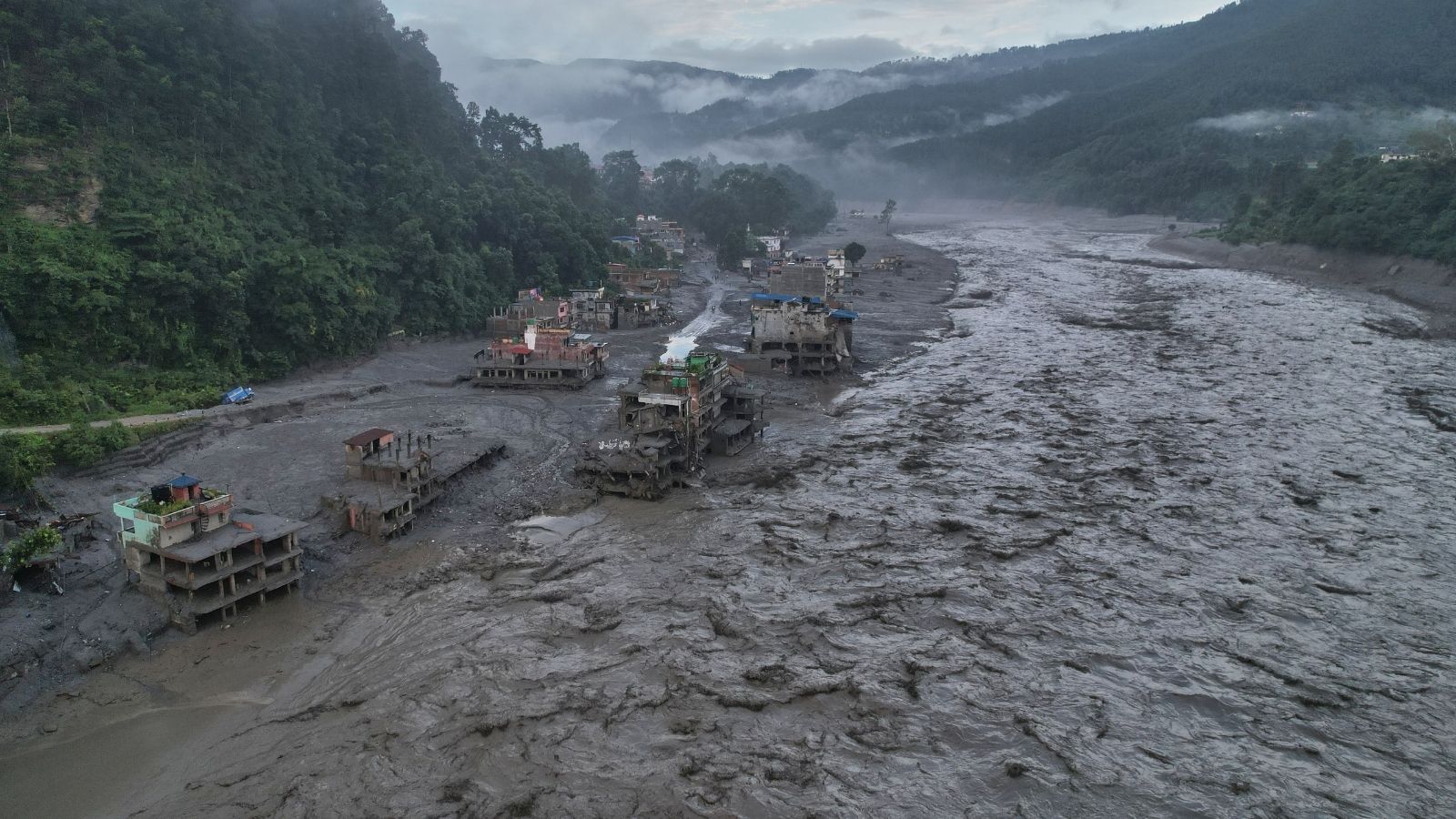
Rescue coordination immediately ran into the grim reality of Himalayan geography and bureaucratic friction. Helicopters sat grounded in Kathmandu and Pokhara as stubborn cloud cover locked down the Nar Phu valleys. Ground rescue teams, risking their own lives while navigating washed-out trails and swollen torrents like the Thado Khola, found themselves outmatched by tons of dense, debris-choked avalanche detritus. Days blurred as recovery efforts yielded a handful of heartbreaking discoveries, punctuated by long hours of forced waiting while storms raged overhead.
This tragedy exposes a quiet inequality written into the snowfields of the Greater Himalaya. Foreign climbers purchase permits, insurance packages, and spots on commercial rosters, but the workforce that carries the literal and figurative weight of the expedition arrives first and lingers longest in harm's way. When an unseasonal weather system drops feet of snow onto an unstable base camp, the exposure falls disproportionately on local support staff who have little say in the timeline dictated by international flight schedules and marketing campaigns.
As search operations face repeated suspensions due to persistent weather fronts, the mountaineering community is once again left asking uncomfortable questions about risk management. The mountains are not getting friendlier. Climate volatility is rewriting the rules of high-altitude ascent, bringing unpredictable monsoons and sudden dumps of heavy snow that render traditional historical weather data obsolete.
Until expedition organizers reckon with the reality of shifting climate baselines and prioritize the safety of advance support teams over rigid corporate calendars, base camps will remain high-stakes lotteries where the most vulnerable pay the highest price.
Nepal Avalanche Hits Himlung Base Camp, 4 Dead; 12 Missing
This video provides on-the-ground news coverage and visual context regarding the rescue operations and scale of the disaster at the Himlung Himal base camp.