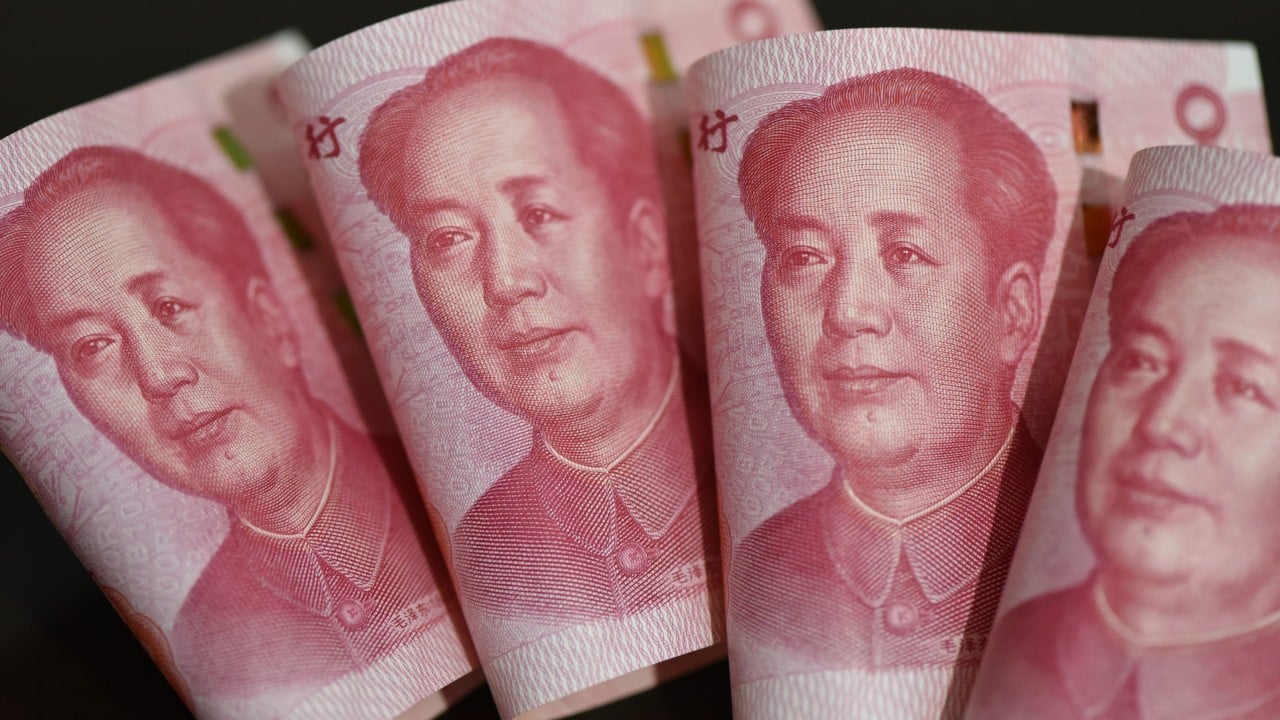
Everyone in trade finance is cheering for the latest push by the Shanghai Clearing House to expand its offshore yuan footprint. They call it a masterstroke for internationalization. They say liquidity begets liquidity. They write breathless reports about foreign institutions lining up to clear renminbi-denominated assets through Beijing-backed infrastructure.
They are completely wrong. Read more on a related subject: this related article.
I have spent the better part of two decades watching foreign exchange desks scramble for yield across emerging markets. I have seen institutions burn millions trying to force non-convertible currencies into international workflows. The consensus view on the Shanghai Clearing House expansion misses the fundamental friction of global capital markets: plumbing does not create demand.
You can build the widest pipe in the world, but if capital controls act as a heavy valve at the intake, nobody is turning on the pump. More reporting by Reuters Business delves into similar views on the subject.
The Core Illusion of Offshore Liquidity
Let us define terms because the financial press refuses to do so. Offshore yuan, known as CNH, is not the same currency as onshore yuan, known as CNY. They trade at different rates. They are subject to different regulatory regimes. More importantly, CNH exists in a permanent state of legislative purgatory.
The lazy narrative states that expanding clearing mechanisms in foreign hubs will naturally draw institutional investors away from the dollar. This ignores the structural paradox of the renminbi. China wants international prestige, but it also wants absolute control over its domestic credit cycle. You cannot have a globally dominant, freely convertible reserve currency while simultaneously dictating who can pull their money out of your jurisdiction on a random Tuesday.
Imagine a scenario where a major European pension fund loads up on CNH-denominated bonds cleared smoothly through the latest Shanghai Clearing House framework. Everything looks modern. The messaging is instant. The settlement is final. Then, a geopolitical stress event occurs. The fund manager tries to repatriate the principal to cover domestic liabilities. Suddenly, capital flow quotas tighten. Administrative hurdles appear. The clearing mechanism worked, but the exit door jammed.
Institutional capital does not care about national pride. It cares about velocity and certainty. When the cost of regulatory surprise outweighs the yield differential, the capital packs its bags and returns to New York or London.
Why Clearing Infrastructure Does Not Solve Structural Trust
The advocates for this expansion point to rising transaction volumes as proof of success. Volume numbers are a vanity metric. Total turnover in a closed loop means nothing if every participant is just recycling the same domestic trade finance receipts back and forth to satisfy regulatory checkboxes.
Real internationalization requires two things that Beijing systematically refuses to provide:
- Total convertibility without administrative friction
- Absolute legal predictability anchored by independent judiciary systems
The Shanghai Clearing House operates under Chinese law. When a counterparty dispute arises involving an offshore entity, the ultimate arbiter sits within a judicial framework entirely responsive to state directives. Wall Street and the City of London built their empires on the cold comfort of predictable, adversarial contract enforcement. You cannot replicate centuries of legal precedent by upgrading software protocols and cutting ribbon ceremonies in overseas clearing centers.
I have sat in boardrooms where compliance officers look at Chinese mainland clearing dependencies and quietly cross the trade off the desk. It is not because they hate returns. It is because their legal teams calculate tail risk in billions of dollars. A sleek clearing interface cannot sweet-talk a chief risk officer into ignoring sovereign intervention risk.
The Counter-Intuitive Reality of Currency Dominance
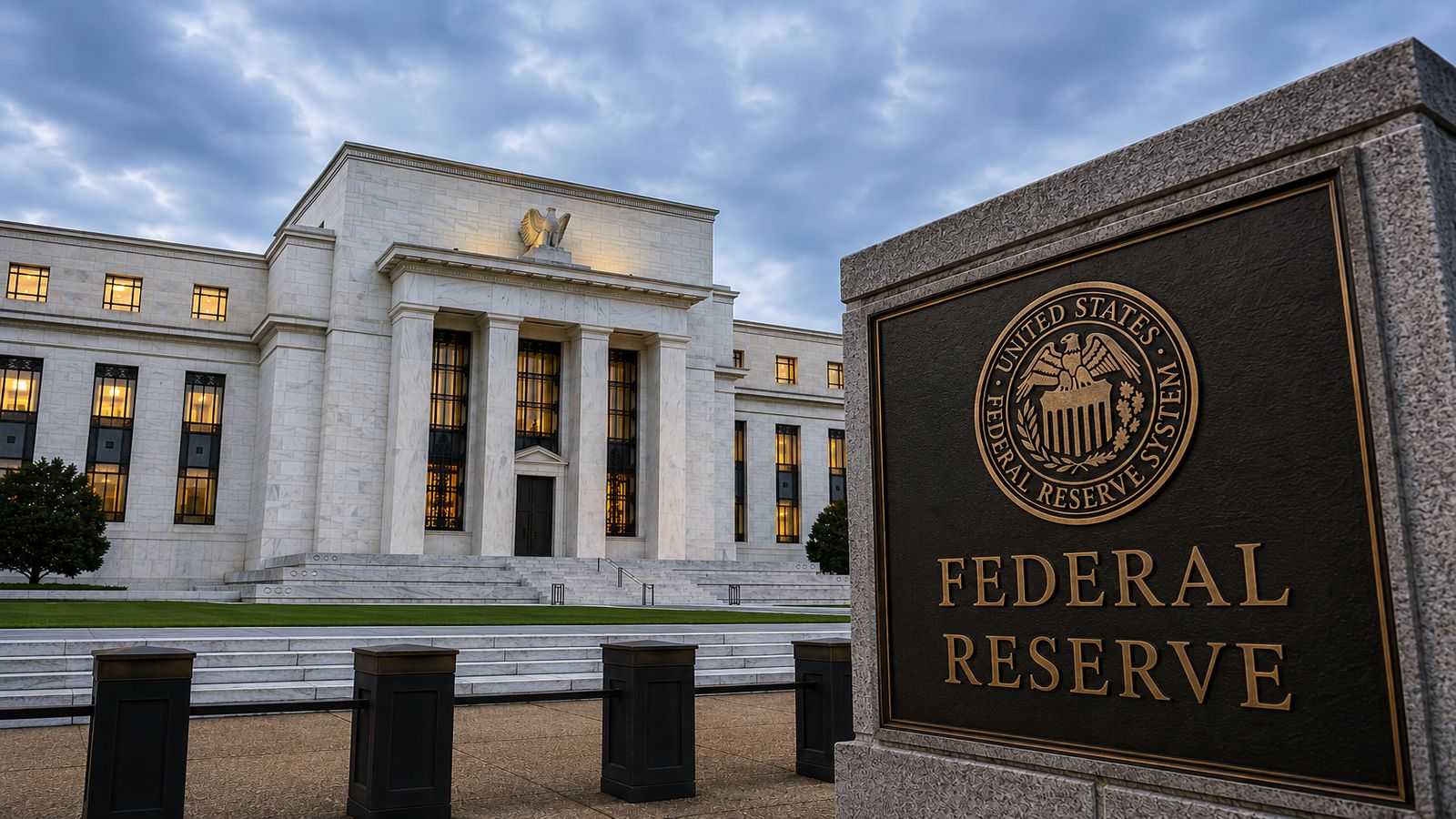
History teaches us a harsh lesson about currency supremacy. The US dollar did not become the global anchor because the Federal Reserve built better clearing pipes in the 1940s. The dollar won because American capital markets were deep, open, and legally weaponized to protect foreign investors just as aggressively as domestic ones.
China's current strategy is an attempt to bypass this historical prerequisite. They want the structural benefits of a reserve currency without surrendering domestic monetary sovereignty. They want foreigners to hold the bag of renminbi debt while Beijing retains the power to freeze, filter, or redirect those flows at a moment's notice.
This brings us to the actual play. Smart institutions are not using these expanded offshore clearing channels to build long-term renminbi asset portfolios. They are using them for tactical, short-duration arbitrage. They extract the yield differential during calm periods, hedge the currency risk aggressively offshore, and exit before the regulatory weather changes. They are treating the infrastructure as a casino side-table, not a foundation for treasury management.
What You Should Do With Your Capital Instead
If your treasury strategy relies on the assumption that offshore yuan clearing hubs will soon rival Western counterparts in depth and safety, you are building your house on a fault line.
Stop treating clearing announcements as macro signals. Look at the balance of payments data instead. Watch the net cross-border flows. When foreign direct investment into mainland entities turns persistently negative, no amount of clearinghouse optimization will save your renminbi yield strategy from compression.
The market does not care about what Beijing wants the currency to become. It cares about what the currency is allowed to do when the market panics.
Build your liquidity buffers where the exits are wide, the laws are stubborn, and the state does not double as your primary counterparty.


..jpg)