The floorboards of the gymnasium creaked under the weight of wet boots and damp coats. Outside, a slate-gray autumn morning pressed against the wired glass windows, casting a cold, flat light over rows of voting booths. There was no fanfare, no marching band, no roar of a stadium crowd. There was only the rhythmic scratch of ballpoint pens on cardstock and the soft, steady drop of paper ballots sliding into metal boxes.
Every few years, this quiet ritual unfolds across thousands of school gymnasiums, community centers, and municipal basements. To an outsider watching from a distance, it looks mundane, almost bureaucratic. But beneath the surface hum of fluorescent lights lies a concentrated wave of human emotion, anxiety, ambition, and frustration.
Consider a hypothetical voter named Elena, standing in line at one such precinct. She is a working mother of two who rarely attends political rallies and rarely posts political opinions online. To her neighbors, she is simply a familiar face at the grocery store or the school pickup line. Yet, as she grips her pen in the small plastic booth, her mind is heavy with a distinct sense of urgency. She is not merely choosing a local official or weighing a municipal bond measure. She is sending a message. She is pushing back against a national momentum that feels entirely out of her control, using the only direct tool left in her hands.
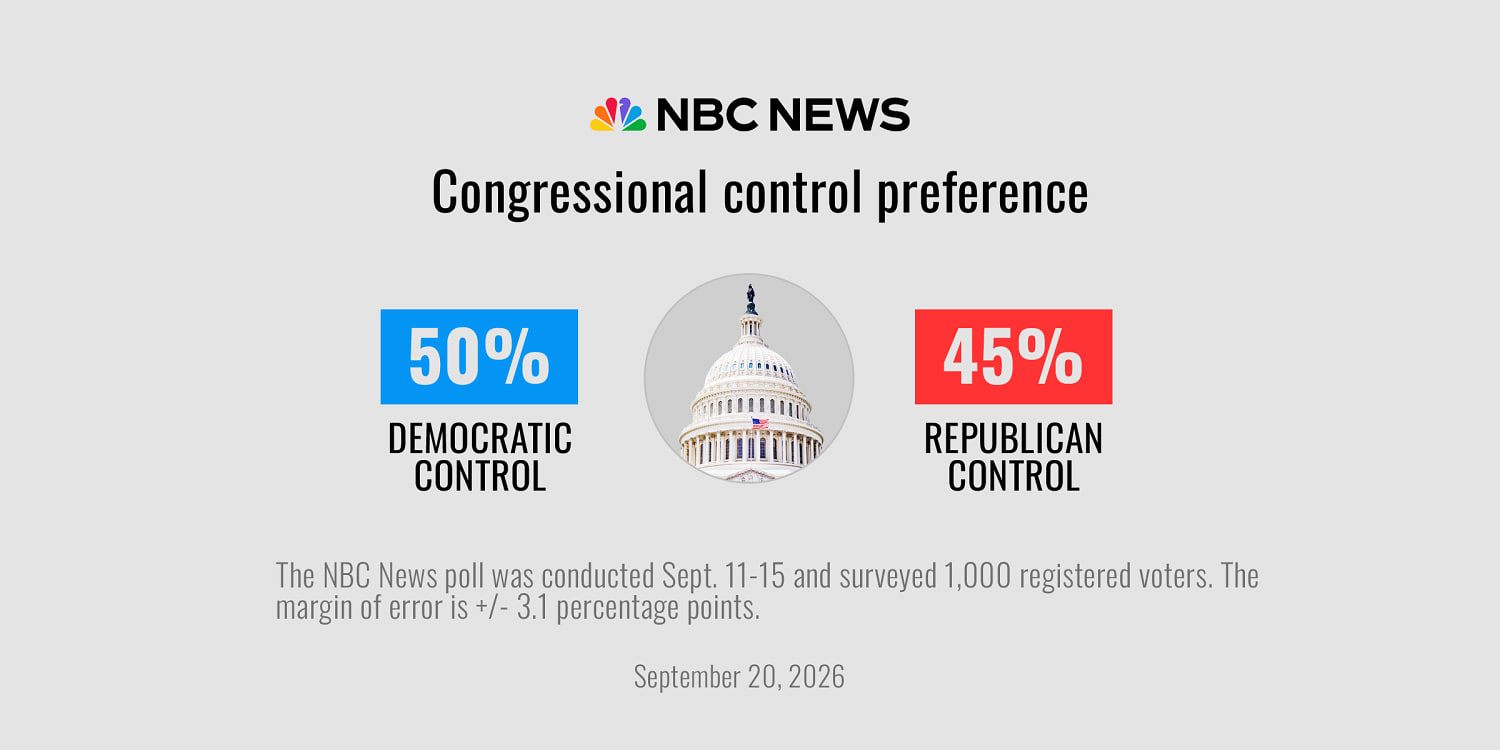
Elena is far from alone in that feeling. Across the country, polling data and electoral analysis—such as the numbers tracked by data journalists like Steve Kornacki—reveal a striking phenomenon. A massive block of the electorate, hovering around forty-three percent in specific midterm evaluations, approaches the ballot box with a singular, overriding motivation: to signal direct opposition to Donald Trump.
To understand that number, one must step away from spreadsheets and look at the psychological mechanics of modern American democracy. Politics has long ceased to be a mere disagreement over marginal tax rates or infrastructure spending. It has evolved into an identity test, a daily emotional environment that seeps into family dinners, workplace conversations, and late-night thoughts. When citizens feel overwhelmed by the constant churn of national news, political polarization, and institutional gridlock, the midterm election transforms into something entirely different. It becomes a pressure valve.
Historically, midterm elections have always served as a natural corrective, a built-in penalty box for the party holding the White House. But when a towering, polarizing figure like Trump remains the dominant gravitational pull in American politics—whether holding office or commanding the opposition—the dynamic changes shape entirely. The referendum is no longer just about the current administration in Washington; it becomes a referendum on an enduring political movement and a polarizing persona.
Think about what happens when a citizen feels unheard by their representatives. They write letters that go unanswered. They attend town halls where microphones are timed down to the second. They watch cable news pundits shout past each other until the screen blurs into noise. Eventually, the frustration accumulates like static electricity. The ballot box remains the one place where that static discharges with absolute, undeniable force.
When forty-three percent of surveyed voters state their primary intent is to signal opposition, they are not talking about policy minutiae. They are expressing a deep-seated state of mind. It is a declaration that says: I am paying attention. I am dissatisfied. I am using my vote not as an endorsement of the alternative, but as a red flag planted squarely in the path of a figure they believe threatens the democratic equilibrium.
This is the invisible architecture of an election. The visible part is the campaign commercials, the yard signs fading in the rain, the text messages pinging phones late into the evening. The invisible part is the internal monologue of millions of Elenas standing in quiet rooms, weighing their fears against their hopes, their cynicism against their stubborn belief that their single mark on a piece of paper still matters.
Critics often dismiss protest voting as reactionary or ephemeral. They argue that a negative vote lacks a constructive blueprint for the future. But history suggests otherwise. Opposition is a powerful organizing principle. It binds disparate groups of people together who might agree on almost nothing else, united solely by a shared resistance to a common focal point. It forces politicians to recalibrate, to listen closer, to reckon with the boundaries of public tolerance.
When the last ballot is scanned and the gymnasium is swept clean, the numbers are tallied and broadcast across television screens in neat colored maps. Pundits will parse the percentages, dissecting demographic shifts and suburban turnout models. They will talk about momentum, mandates, and political survival.
But behind every percentage point is a person. A person who woke up early, stood in the cold, waited in line, and made a choice. That choice echoes far beyond the walls of the local community center. It is a reminder that in a sprawling, noisy, fractured democracy, power ultimately reverts—if only for a fleeting moment—back to the individual standing alone in the quiet dark of a voting booth.