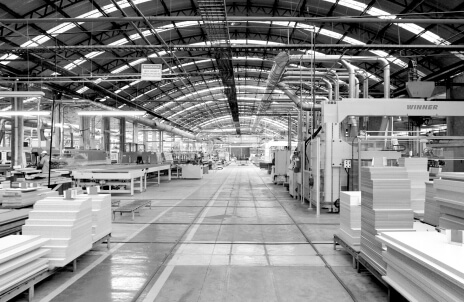
The coffee in the breakroom always tastes like battery acid at 4:30 AM. For twenty-four years, that bitter warmth was how the day began. It was a rhythm carved into the stone of the town. The hum of the assembly line started, the metal pressed against metal, and thousands of lives moved in perfect sync with the machinery.
Then the hum stopped.
When a corporate titan decides to erase 100,000 jobs, the announcement doesn't arrive with a bang. It arrives in a PDF. It lands in an inbox. It is parsed by suits in glass towers who talk about structural realignment and optimizing asset allocation. But on the ground, that number isn't a statistic. It is a quiet kitchen table where a father stares at a notice, wondering how to explain to his daughter that the family insurance is gone.
The corporate press release blamed two main culprits: the relentless rise of electric vehicles and the stubborn resistance of trade unions. It is a clean narrative. It fits neatly into a headline.
It is also missing the entire point.
The Quiet Machine
To understand why 100,000 people are suddenly looking at an empty horizon, you have to look under the hood of the modern car.
Consider a traditional internal combustion engine. It is a masterpiece of mechanical complexity. It requires thousands of moving parts—pistons, valves, fuel injectors, timing belts—all dancing together in microscopic harmony. Assembling one requires an army of skilled hands. It demands specialized knowledge passed down through generations of factory workers.
Now look at an electric vehicle.
The complexity evaporates. An EV drivetrain is shockingly simple, often containing only a fraction of the moving parts found in a gas-powered vehicle. There are no spark plugs to change. No complex transmissions to gear. The modern car has transformed from a mechanical marvel into a computer wrapped in a steel chassis.
This technological shift changes the math of human labor. When a machine requires fewer parts, it requires fewer hands to build it. The factories of the future don't need the sprawling assembly lines of the past; they need automated arms, software engineers, and precision robotics.
The industry calls this progress. The people who spent decades mastering the art of the combustion engine call it a ghost town in the making.
The Friction at the Table
As the engineering shifted, the battle lines moved to the boardroom. Trade unions, built to protect the livelihood of the traditional worker, found themselves fighting a ghost. How do you negotiate for job security when the product itself is fundamentally designed to eliminate the need for the job?
The tension grew thick. Management pointed to falling margins and the massive capital required to retool factories for the electric age. They argued that without slashing labor costs, the entire company would sink under the weight of foreign competition. The unions pointed to decades of record profits and the loyalty of a workforce that carried the brand through recessions.
It became a war of attrition.
Every negotiation session felt like trying to hold back the tide with a broom. The unions pushed for retraining programs and transition packages, while the executives looked at the stock price and demanded immediate efficiency. When communication broke down, the inevitable happened. The company decided it was cheaper to cut the cord entirely than to navigate the complex web of labor agreements in aging factories.
They chose the clean break.
The Ripple Effect
When a stone that large is dropped into the economic pond, the ripples destroy things miles away from the splash zone.
A factory closing isn't just about the people inside the gates. Think about the local diner where the third shift ate breakfast. Think about the tool-and-die shop down the street that supplied the custom bolts. Think about the municipal tax base that funds the local high school. When 100,000 jobs vanish across a global network, whole ecosystems wither.
The transition to a cleaner, greener future is often painted in glowing, utopian terms. We see sleek showrooms, silent highways, and pristine charging stations. What we rarely see is the human cost of the transition period—the messy, painful middle where the old world hasn't quite died and the new world hasn't quite figured out what to do with the people left behind.
The industry will survive this. The car giant will likely see its profit margins rebound as the automation kicks in and the payroll shrinks. The electric vehicles will roll off the line, shinier and faster than before.
But the silence in the breakrooms will remain. The bitter coffee will go unmade. A generation of workers who built the world we live in will stand on the outside, looking through the glass at a automated world that no longer needs their hands.