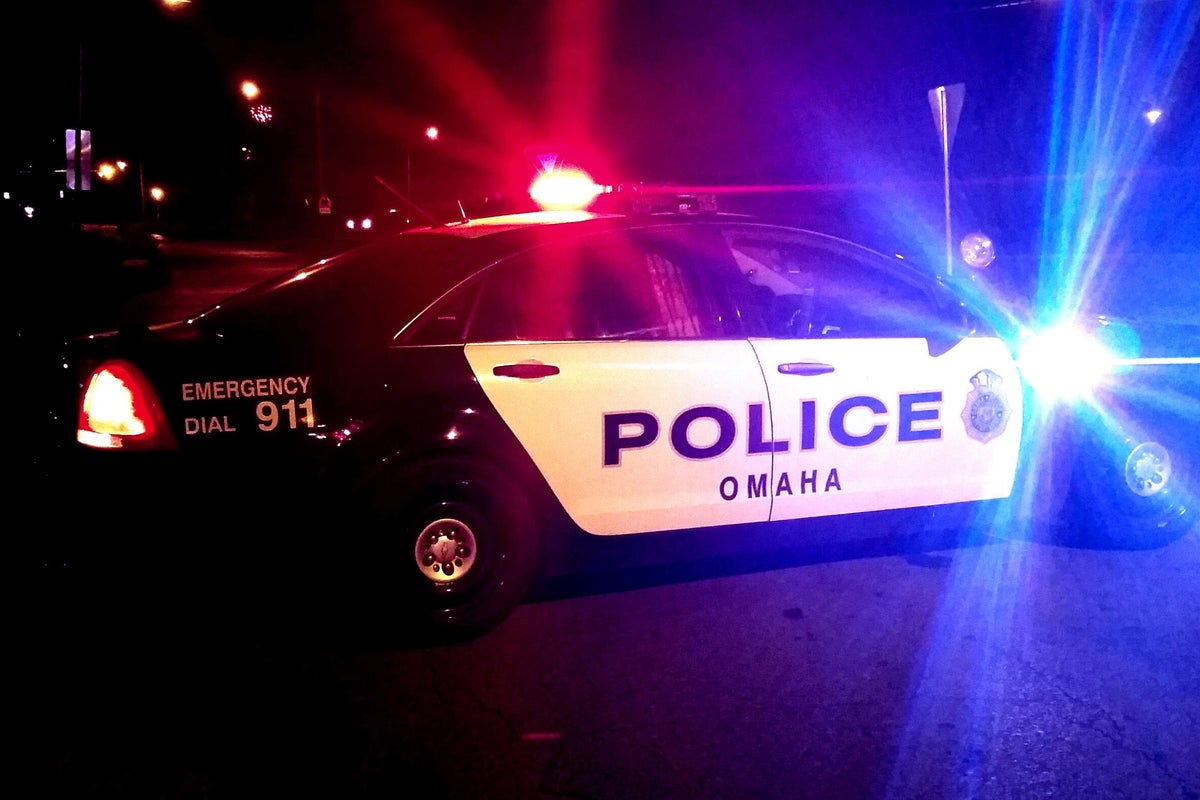
The lockers slam with a familiar, hollow echo. Down the linoleum corridors of Nebraska’s largest public school district, teenagers shuffle toward algebra, complaining about pop quizzes and whispering about weekend plans. It looks like any ordinary Tuesday. It looks safe. But for months, a quiet acquisition sat tucked inside municipal budget lines and administrative consent agendas, waiting for the precise moment when institutional policy would collide with raw, unvarnished human panic.
Forty pairs of specialized gloves. Sixty-six thousand dollars.
To an accountant scanning a spreadsheet, it was just another line item for public safety. To the Omaha Police Department, it was an innovative tool to secure compliance with minimal physical struggle. But to the students walking past lockers bearing binders and backpacks, those black-and-grey garments represented something entirely foreign. They were weapons designed to deliver a jolt of electricity straight through the skin.
Consider what happens when administrative convenience outpaces public conscience.
In the quiet months of the preceding year, the city council approved the purchase without a headline-grabbing debate. Twenty-nine school resource officers trained in the use of the Generated Low-Output Voltage Emitter, better known by its acronym, the G.L.O.V.E. Unlike a taser that sends a cycling current through the torso, these devices require direct contact against exposed skin, firing a localized, painful pulse intended to override the human nervous system through sheer discomfort. Proponents argued they left no burn marks, avoiding the messy aftermath of traditional physical scuffles. They called it modern progress.
Progress, it turns out, can sting.
During the following academic year, the gloves came out of officers' lockers twice. In one instance, an officer deployed the charge against a teenager during a chaotic confrontation at a high school. Two seconds of high-voltage disruption against human flesh. The student stopped fighting. Compliance was achieved.
The bell rang, life moved on, and the secret stayed quiet. Until it didn't.
When investigative reports revealed that similar technology was slated for wider deployment by federal immigration enforcement agencies, local reporters began asking uncomfortable questions. The shockwave hit the community before the morning announcements could even begin. Parents stared at their phones in disbelief. School board members publicly confessed they had never been briefed. The superintendent admitted he, too, was entirely in the dark until days before the fall semester.
Public trust is a fragile architecture. It takes years to build through bake sales, parent-teacher conferences, and Friday night football games, but it can be dismantled in a single news cycle.
At a packed board meeting, the room filled with a heavy, electric tension. Students stood at the microphone, their voices shaking not with teenage angst, but with a profound betrayal. They reminded the adults that classrooms are meant to be incubators for learning, not testing grounds for law enforcement hardware. One student pointed out the glaring absurdity of equipping authority figures with pain-delivery devices in environments meant to foster growth.
Faced with a mounting chorus of outrage from families who felt blindsided, the containment strategy collapsed. The mayor and police chief defended the tools as a safe option for rare emergencies, yet the institutional ground beneath them was already shifting.
Before the first week of the new school year could gather momentum, the superintendent took definitive action. A formal request was issued: the gloves must leave the hallways. The police agreed to halt the program, stepping back from an experiment that had crossed an invisible line in the public imagination.
The gloves are gone from the lockers now, locked away in municipal storage. But the questions linger in the empty spaces between classes. How easily convenience replaces caution. How quietly lines can be crossed when nobody is watching the fine print.
The final bell rings, echoing down the hall, leaving behind only the cold hum of fluorescent lights and the quiet reminder that safety is measured not by how fast compliance is forced, but by how much trust remains when the current is turned off.
Parents, students speak out against shock gloves in Omaha Public Schools schools
This news report provides a firsthand look at the community reactions and public meetings where students and parents voiced their opposition to the use of shock devices in local educational facilities.