The cabin of the old, baby-blue Boeing 747 was quiet except for the low, rhythmic hum of engines biting into the high-altitude air. Journalists sat slumped in their seats, exhausted from the grinding friction of the NATO summit in Ankara. Then came the command. It was not a request.
Shut the blinds.
One by one, the plastic shades slid down, locking out the sun, plunging the cabin into an artificial twilight. A reporter, blinking against the sudden gloom, asked the obvious question. Why?
Donald Trump looked at the press corps. The response was classic Trump, a mixture of dark gravity and theatrical swagger. He told them they were on a dangerous flight because of the people the administration was dealing with. He called them sick. Then came the true hook. He told the reporters that he was a target all the time, right at the top of the list. He added, with a grim smile, that if he went down, they went down with him. He suggested they might want to change professions.
It sounded like typical bravado. But the reality under the surface was far more tangible.
The President was not flying on his usual retrofitted, Qatari-gifted luxury jet. That modern plane had been sent ahead, empty, to a military base in the United Kingdom. Rumors leaked that the newer aircraft lacked the specific, heavy-duty missile defense systems required for a flight through a sky suddenly thick with invisible crosshairs. Trump was riding in the legacy aircraft for survival.
Geopolitics is often written in the cold ink of treaties, trade deficits, and troop movements. We view nations as giant, unfeeling chess pieces moving across a map. But beneath the grand strategy lies a raw, deeply human truth.
War is personal.
The temporary ceasefire between the United States and Iran is dead. The collapse did not happen in a vacuum. It ended after a chaotic cycle of drone attacks in the Strait of Hormuz, sudden American retaliatory strikes, and blackouts rolling through Iranian port cities like Bandar Abbas. Sirens are currently wailing across Kuwait, Bahrain, and Qatar, cutting through the night to warn civilians of incoming missiles.
Yet, for the man sitting in the dimmed cabin of Air Force One, this conflict is no longer just about uranium enrichment percentages or maritime trade routes. It is about a piece of paper circulating in Tehran. A kill list.
Imagine waking up every morning knowing an entire state apparatus, with an army of intelligence operatives and millions in funding, has your name written at the very top of its ledger. The Biden administration uncovered the initial plot on the 2024 campaign trail—a lingering ghost from the assassination of Quds Force Commander Qassem Soleimani years prior. That shadow never dissipated. It grew.
A former National Security Council aide recently admitted what many suspected. The conflict has become entirely personal.
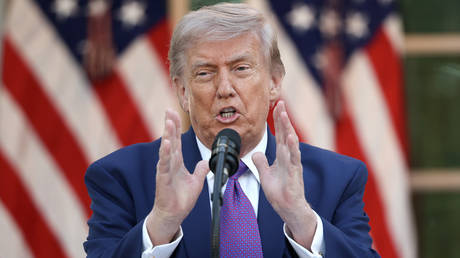
How does a human mind process that level of singular focus? For Trump, the defense mechanism is dark humor. Hours after landing, he stood before microphones and joked about the situation. He noted that there was another list published recently, and he was number one on that one too. He quipped that he preferred being number one on TikTok.
The press corps laughed. It was a release of tension. But the joke masked a profound, chilling vulnerability. To be the President of the United States is to occupy a position of immense power, but it is also to be a lightning rod for the world's deepest animosities.
Behind the podiums and the aggressive rhetoric—the declarations that the U.S. will strike twenty times harder for every hit received—is the psychological weight of an ongoing game of blood feuds. When Trump claimed that Iranian leaders called him wanting to make a deal "so badly," he wasn't just talking about diplomacy. He was talking about leverage over people who want him dead. He openly questioned if they were even worthy of a deal, or if they would just lie and cheat as they have done for decades.
Meanwhile, the ripples of this personal friction expand outward, touching millions of lives.
Consider the Iranian citizen sitting in a darkened home in Chabahar, listening to the hum of American satellites overhead, wondering if the infrastructure providing their electricity will vanish in the next round of strikes. Consider the young American sailor stationed on a base in Bahrain or Kuwait, waking up to the scream of missile alerts because a geopolitical chess match has turned into a blood feud between leaders.
The rhetoric from Tehran matches the heat from Washington. The Iranian Foreign Minister promised action instead of vulgarity, while parliamentary spokesmen warned that no American soldier would return alive if the U.S. attempted to seize Kharg Island.
The world holds its breath as the blinds remain drawn. We like to think our leaders are detached, calculating actors playing a game of grand strategy. We forget that they are flesh and blood, driven by fear, pride, and the primal instinct to survive. The war in the Middle East isn't just a clash of civilizations or an argument over nuclear physics.
It is a story of a list, a target, and a flight through the dark.