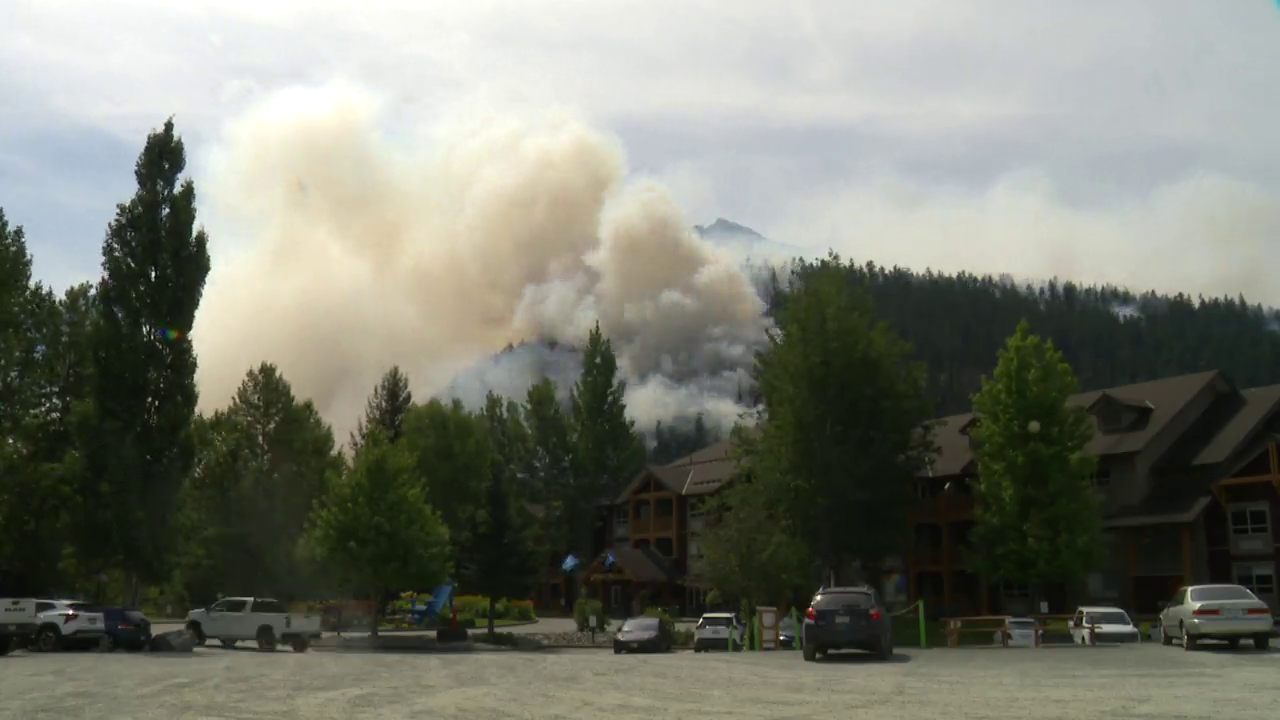
Watching a mountain catch fire in your backyard is a surreal, terrifying experience. That is exactly what residents in Pemberton, British Columbia faced as the Signal Hill wildfire erupted just five kilometres south of Highway 99.
Within hours, a plume of thick, dark smoke dominated the skyline. A dramatic time-lapse video captured the rapid, aggressive growth of the blaze as it chewed through heavy timber on the hillside. The footage serves as a stark, visual reminder of how quickly a localized incident can escalate into a community-wide emergency, putting the entire Village of Pemberton on evacuation alert.
This is not just another wildfire story. It is a case study in modern wildland-urban interface firefighting, community panic, and the reality of human-caused blazes during a punishing summer.
The Rapid Escalation of the Signal Hill Wildfire
The fire, officially designated as out of control, was first reported late on Wednesday afternoon, July 15, 2026. It did not take long to establish a foothold. Fueled by dry conditions and dense forest, the fire grew from a small four-hectare spot to over 38 hectares by the following day.
BC Wildfire Service (BCWS) responded with an initial attack crew of 20 personnel, supported by helicopters, air tankers, and a skimmer group. These water-scooping aircraft put on a dramatic show for locals and tourists alike, pulling water directly from nearby Green Lake in Whistler to drop massive payloads onto the burning ridge.
Because the fire was burning in steep terrain with heavy timber, crews faced what is known as a rank two to three fire. In wildland firefighting terms, this means a low to moderately vigorous surface fire featuring visible open flames and occasional "candling"—where individual tree crowns ignite rapidly from the bottom up.
While the sight of helicopters dropping water directly onto the ridge was reassuring, the scale of the smoke plume made those efforts look incredibly small to onlookers on the ground. Local resident Christyne Gillis noted that despite the helicopters dropping heavy, well-aimed loads, the sheer volume of smoke made it feel like the water was barely making a dent.
Why the Location of This Fire Matters
The geography of the Pemberton Valley makes any wildfire in the immediate vicinity incredibly dangerous. The Signal Hill fire sits right above One Mile Lake Park, a highly popular recreational area.
Local authorities had to act quickly, issuing an immediate evacuation order for One Mile Lake Park to clear out civilians and give firefighting crews a safe, uninterrupted space to stage their operations.
The rest of the Village of Pemberton, along with parts of the Squamish-Lillooet Regional District Area C, was placed on a formal evacuation alert. For residents, this meant packing go-bags, gathering pet crates, organizing critical documents, and waiting for the dreaded knock on the door.
Mayor Mike Richman described the initial night of the fire as a long, anxious watch as residents literally stood in their backyards and monitored the flames moving down the ridge. When a fire is that close, the line between safety and disaster feels razor-thin.
The Frustrating Truth About the Cause
BC Wildfire Service investigators suspect the Signal Hill fire was human-caused. In the world of wildfire management, "human-caused" is a broad umbrella term. It covers everything from discarded cigarette butts and poorly extinguished campfires to sparks from dragging trailer chains or hot exhaust pipes idling over dry grass.
What makes this frustrating is the timing. The fire ignited right as British Columbia was bracing for a massive weather shift. Environment Canada had already issued severe heat warnings for the southern Interior, with daytime highs pushing into the high 30s.
Worse, meteorologists warned that a dry lightning system was moving across the province. Dry lightning—thunderstorms that produce lightning strikes but little to no rainfall—is a nightmare scenario for forestry officials. When the ground is already parched from prolonged drought, a single strike can spark an instant, fast-moving blaze.
With 11 new fires sparking across BC in a single 24-hour window, resources were already being stretched thin. Having to redirect critical air tankers, skimmers, and elite ground crews to battle a highly preventable, human-caused fire right next to a major town center is a massive drain on the provincial emergency response network.
What You Need to Do Right Now
If you live anywhere near a wildland-urban interface in Western Canada, the Signal Hill fire should be your immediate cue to get prepared. You cannot wait until you see smoke over the ridge to figure out your emergency plan.
- Build your grab-and-go emergency kit: Pack enough water, non-perishable food, and basic first aid supplies for at least 72 hours. Do not forget chargers, physical copies of your insurance papers, and any essential prescription medications.
- Set up your digital alerts: Sign up for your local municipal emergency alert system immediately. In Pemberton, residents rely on the official alert system at pemberton.ca/alert. Do not rely solely on social media groups for official evacuation orders.
- Clear your immediate property: Use basic FireSmart principles. Clean dry leaves out of your gutters, move firewood piles at least 10 meters away from your home, and cut back any low-hanging coniferous branches that could easily catch fire from flying embers.
- Respect water-scooping operations: If you are out on a lake—like Green Lake or nearby water bodies—and see water bombers or skimmers operating, clear the area immediately. Get your boat close to the shore. These pilots need wide, unobstructed paths to scoop water safely, and recreational boaters getting in the way actively delays fire suppression efforts.
Wildfire season is no longer a distant threat we only worry about in late August. It is a constant, fast-moving reality of living in the Pacific Northwest. Take the steps to protect your home and your family before the smoke starts rising.