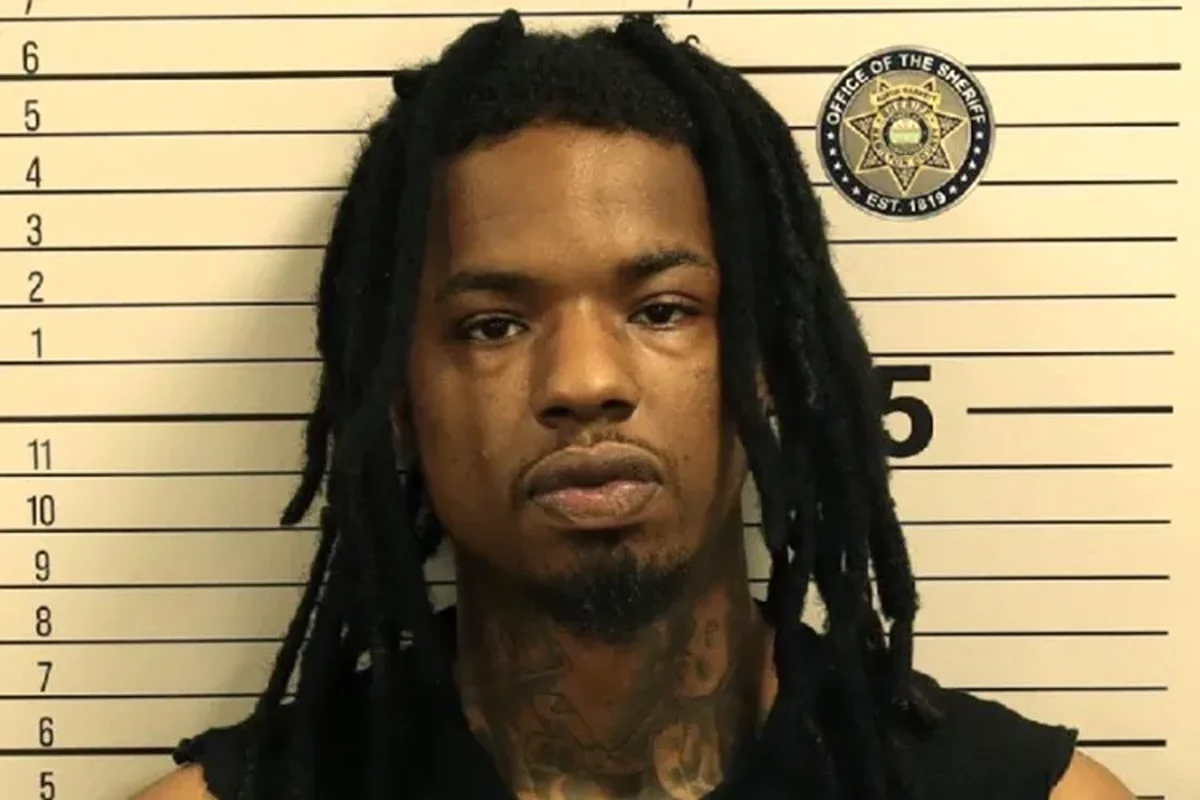
Infamy pays. Shimon Hayut, universally known as the Tinder Swindler, proved that criminal exposure doesn't lead to obscurity; it often buys a VIP ticket to digital notoriety. Instead of hiding after a global Netflix exposé detailed how he conned women out of an estimated $10 million, he leaned straight into the attention. He pivoted from swiping on dating apps to selling personalized clips online for roughly £150 a pop.
The internet loves a villain. Platforms welcomed him with open arms, turning structural accountability into a joke. But behind the monetization strategy and the quick cash grabs lies a harsher reality that real survivors are left cleaning up.
The Pivot From Private Jets to Paid Video Clips
When the true crime documentary dropped, it revealed a calculated Ponzi scheme. Shimon Hayut had posed as Simon Leviev, the son of a billionaire diamond tycoon. He used luxury cars, private jets, and five-star dinners—funded by previous victims—to woo new romantic interests. Once hooked, he claimed his enemies were hunting him down, forcing him to borrow massive bank loans under his victims' names.
Banned from major dating platforms almost immediately, Hayut didn't crawl into a hole. He signed up for Cameo, charging fans about £146 for personalized birthday greetings and shoutouts, while business packages soared past £1,400. In these paid videos, he even winked at his fraudulent past, joking about enemies coming after people or telling recipients to party like their safety was compromised.
People paid for it. They bought the clips as novelty gifts. They treated a man accused of devastating financial fraud like a misunderstood internet celebrity.
Why Platforms Reward Bad Behavior
The digital ecosystem is wired for engagement, ethics be damned. When a person becomes a viral sensation, algorithm-driven platforms care about clicks, views, and transaction fees.
Take the defense offered by platforms like Cameo at the time. They hid behind the corporate shield of being a "ubiquitous marketplace," arguing that customers should control their own connections. They claimed they didn't police the opinions or histories of talent using their infrastructure.
Translation: if someone makes money for the platform, their past actions are negotiable.
This creates a perverse incentive structure. You can ruin lives, rack up international fraud allegations, and trick people into massive debt, and the reward is a blue checkmark, high-paying bookings, and an audience ready to buy merch or video shoutouts.
The Real Cost to the Victims
While the man behind the persona jokes about enemies for cash, the actual people he targeted face a very different reality. Survivors like Cecilie Fjellhøy and Pernilla Sjoholm didn't get a lucrative talent contract after the credits rolled. They got debt collectors. They got long-term trauma. They spent years paying off personal loans taken out under false pretenses for a man who lived large on their dime.
Appearing on television to talk about their ongoing nightmare, the survivors called these modern rebrandings heartbreaking. It hurts to watch someone who shattered your life turn around and cash in on global notoriety. While he sells a 30-second birthday wish, they carry the structural and emotional fallout of financial abuse.
Spotting Modern Grifters Before They Win
The story isn't just about one man in a designer hoodie. It is a masterclass in how modern con artists operate in plain sight. If you want to protect yourself and others from similar schemes, keep a few hard rules in mind.
- Never mix romance with emergency funds. If a new partner claims their credit cards are blocked due to shadowy enemies, walk away immediately.
- Verify extraordinary claims. Billionaires do not need to borrow five figures from a partner they met online last week.
- Recognize the rebrand trap. Stop rewarding toxic notoriety with views, follows, or purchases. Attention is the currency keeping these figures afloat.
Stop treating digital fraudsters like anti-heroes. True accountability means cutting off the applause and refusing to buy into the brand.
Tinder Swindler Interview with Inside Edition
This video provides an unfiltered look at how the central figure deflects accountability during media appearances.
http://googleusercontent.com/youtube_content/1