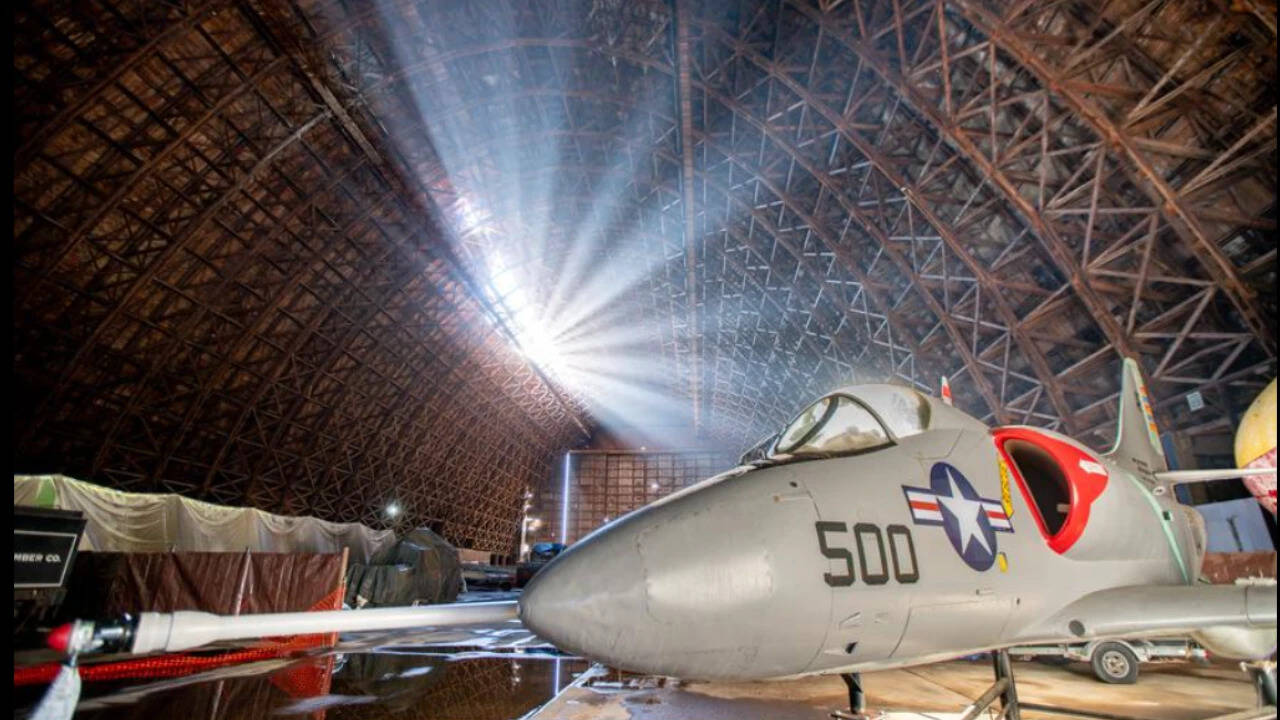
You can buy a cup of coffee for a dollar, or maybe a cheap plastic toy. But buying a world-famous, record-breaking World War II hangar for a single dollar sounds like a punchline. Yet that is precisely what happened to Oregon's historic Tillamook Air Museum, a landmark saved from structural purgatory by a Utah-based nonprofit.
When a violent windstorm tore a massive 200-foot hole in the roof of Hangar B, it didn't just let the rain in. It exposed the brutal financial reality of maintaining antique military infrastructure. Repair estimates stretched up to $6.5 million, and the port board faced a stark choice: absorb crushing debt or offload the burden. They chose the latter, selling the colossal wooden structure for a literal bank note of one dollar.
The Engineering Marvel That Refused to Die
Let us talk about the building itself, because numbers alone do not do it justice. Hangar B is not just an old shed; it is the world's largest clear-span wooden structure. Standing roughly 175 feet tall and stretching 1,072 feet long, its interior volume is large enough to swallow six football fields whole. Built during World War II to house anti-submarine blimps scanning the Pacific coast, these wooden behemoths were built out of necessity when steel was heavily rationed for tanks and warships.
Over the decades, wood warps, weather beats down, and upkeep costs skyrocket. When the fierce December windstorm ripped through the southeast corner of the roof, it triggered a local governance crisis. Local officials balked at a multi-million-dollar price tag to fix it. Local tax dollars shouldn't fund private aviation hobbies, critics argued. The port voted against footing the repair bill, leaving the future of the museum hanging by a thread.
Enter the Vintage Aviation Museum
Instead of sending bulldozers in to dismantle a piece of American history, the Vintage Aviation Museum stepped forward with a symbolic offer of one dollar. By taking ownership, the Utah-based nonprofit absorbed the massive legal and physical responsibility of stabilizing Hangar B.
People often underestimate the sheer logistical nightmare of historic preservation. Because Hangar B sits proudly on the National Register of Historic Places, you cannot simply slap cheap corrugated metal over a gaping hole and call it a day. State preservation laws mandate that exterior repairs must stay true to the original architectural design. Every beam, fastener, and panel requires careful navigation of historic guidelines.
Federal emergency management funds covered a portion of the initial debris removal, but the heavy lifting of long-term structural restoration falls squarely on the new owners.
Getting Back Up and Running
Closed for nearly ten months, the museum faced an uphill battle just to reopen its doors to the public. Staff members spent months packing up aircraft and exhibits for safe storage, only to unpack them weeks later with the help of dozens of dedicated local volunteers.
The facility officially welcomed visitors back, proving that grassroots passion often outlasts municipal budget cuts. While sections of the hangar remain cordoned off behind fences while roof patches continue, the aircraft—including classic military jets and vintage transport cabins—are back on display.
The massive wooden ribs of Hangar B have survived eight decades of Pacific Northwest storms, economic shifts, and military downsizing. This unusual one-dollar transaction bought the building a second lease on life, but the real work of keeping history standing is just getting started. Check local schedules before visiting, dress warmly for the drafty interior, and appreciate the fact that some architectural landmarks survive purely because someone refused to let them fall.


