The kitchen is quiet at four in the morning. Not the silence of emptiness, but the heavy, charged quiet before a storm.
Copper pots gleam under precise spotlights. White porcelain stacks tower against stainless steel walls. Outside these heavy doors, two nuclear superpowers circle each other in an eternal dance of suspicion, trade tariffs, and strategic positioning. Inside, however, the entire machinery of statecraft has been distilled down to a single question. For an alternative perspective, see: this related article.
What should be on the plate?
History is rarely written solely in treaty rooms. More often, it is written over white linen tablecloths, under the amber glow of crystal chandeliers, while translators lean in close to catch whispered modifiers between bites. When a delegation gathers for a state dinner, every ingredient is an emissary. Every flavor profile is a calculated diplomatic gesture. Similar analysis on this trend has been provided by Reuters.
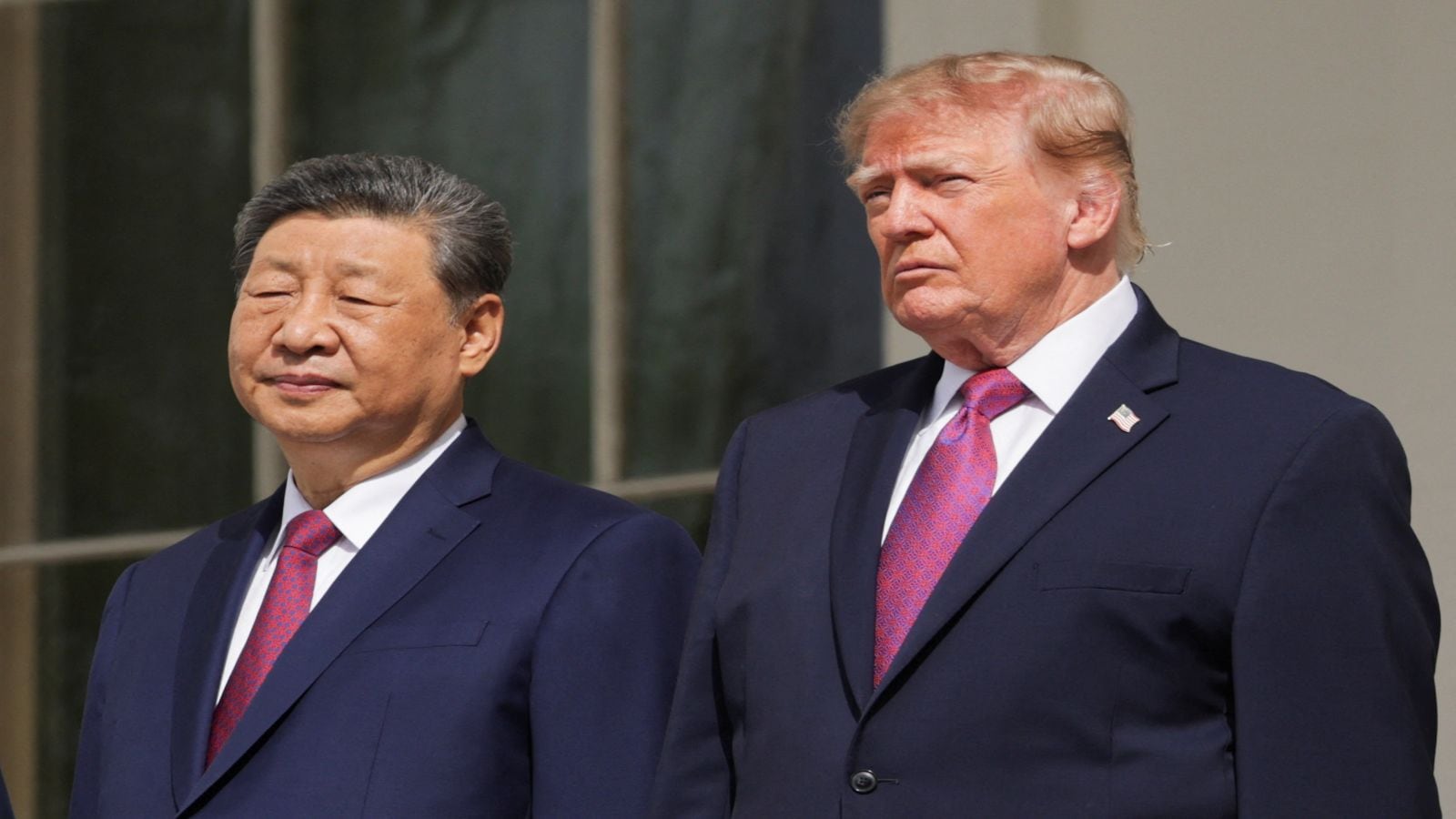
Consider what happens when President Xi Jinping sits across the table from American hosts. Every fork lifted is an act of translation.
We forget that diplomacy is fundamentally human. Leaders do not negotiate abstract GDP growth rates or naval coordinates when they are chewing. They taste butter. They taste smoke. They notice if the rice is cooked with enough respect, or if the beef is too tough to cut with a silver knife.
In kitchens tasked with feeding heads of state, the pressure is suffocating. Executive chefs work alongside state department protocol officers like cryptographers decoding an encrypted transmission. A grain of salt is never just sodium chloride. It is a symbol of hospitality. It is a bridge built across an ocean of ideological distrust.
Imagine the briefing rooms weeks prior. Men and women in charcoal suits debate the politics of the palate. Too much spice might send an unintended signal of aggression. Too little flavor might suggest indifference or disrespect. Every menu item undergoes rigorous cross-examination. Is it too American? Is it too Chinese? Does it honor tradition without mocking innovation?
The solution requires a delicate choreography. It demands a culinary diplomacy where American ingredients meet subtle Chinese influence.
This is not fusion cuisine in the trendy, haphazard sense of modern food trucks. This is high-stakes gastronomy. This is an exercise in mutual recognition.
Take the core components of an American harvest. Maine lobster from the freezing Atlantic waters. Wild mushrooms harvested from Oregon forests. Beef raised on vast Midwestern plains. These are heavy hitters of the American pantry, proud and distinct.
Now, introduce the whisper of Chinese tradition. A touch of Shaoxing wine reduction. The fragrant, grounding warmth of star anise. The precise, knife-work mastery behind a dumpling wrapper that folds with architectural precision.
When these elements merge, something remarkable happens in the mouth.
A hypothetical scenario plays out at table four. A senior diplomat from Beijing takes his first bite of a Maine lobster tail poached in butter infused with ginger and scallions. For a fraction of a second, his expression shifts. The formality cracks. He recognizes the ginger. It is home. Yet the lobster is unmistakably foreign, sweet and rich from cold northern seas. In that quiet microsecond, the distance between Washington and Beijing shrinks from ten thousand miles to the width of a dining table.
Food bypasses the cerebral cortex of political rhetoric. It speaks directly to memory, to childhood kitchen tables, to the universal human need for nourishment and comfort.
Generations of leaders have understood this unspoken language. Richard Nixon dining in Beijing in 1972 did not just open a political door with chopsticks; he engaged in a public spectacle of shared consumption that signaled a new era. Food is the ultimate icebreaker because it requires vulnerability. To eat with someone is to trust that they have not poisoned your bowl. In modern geopolitics, that primal trust remains the rarest commodity on earth.
Yet, crafting this meal is a tightrope walk over an abyss.
If the menu leans too heavily toward American comfort food, critics in state media claim arrogance. They whisper that the hosts are imposing Western dominance even at the dinner table. If the menu tries too hard to mimic authentic regional Chinese cooking, culinary purists scoff at the imitation, pointing out that an American kitchen cannot hope to replicate centuries of ancestral nuance.
The sweet spot lives in the tension between the two.
Chefs must walk this razor edge with absolute precision. They source ingredients with obsessive care. They taste sauces twenty times until the balance tips neither East nor West, but hangs suspended in a neutral, elegant middle ground.
Let us trace the journey of a single course from imagination to plate.
A braised beef short rib. In the American culinary tradition, it evokes family barbecues, slow-cooked patience, and the rustic warmth of Sunday dinners. But give that same cut of beef a twelve-hour bath in a master stock enriched with fermented black beans, rock sugar, and cinnamon bark, and suddenly it bridges continents. It melts on the tongue with the tenderness of a traditional Chinese home-cooked comfort dish, while retaining the hearty richness demanded by Western palates.
When this dish is served, the conversation at the head table pauses.
Xi Jinping takes a bite. The room holds its breath. A state department official tracks the subtle movement of the Chinese leader's eyes. Does he approve? Is the ginger too prominent? Is the beef tender enough?
A nod. A faint smile.
In that single nod, tension evaporates. The invisible stakes of the evening drop by half. The atmosphere warms. The translators can finally breathe a little easier.
This is the hidden architecture of international relations. We obsess over press conferences, joint communiques, and military parades. We dissect every adjective uttered by spokespeople at podiums. But the true turning points often happen when bellies are full and the official stiffness gives way to the shared humanity of digestion.
To cook for an adversary is to acknowledge their existence not as a statistic or a threat matrix, but as a living, breathing person who enjoys good food.
We live in an era characterized by hardening borders and rising rhetoric. Digital screens isolate us into ideological silos where the other side is always a caricature, always malicious, always wrong. We stare at data feeds and threat assessments until every human interaction looks like a chess board.
A state dinner is a rare antidote to this digital dehumanization. It forces leaders back into their physical bodies. It reminds them that despite nuclear arsenals and cyber warfare capabilities, human beings still share the same biological imperatives. We need protein. We need warmth. We appreciate balance, texture, and care.
When American agriculture meets Chinese culinary heritage on a fine china plate, it offers a blueprint for how nations might coexist. Not by erasing differences, but by allowing them to converse.
The dessert course arrives. A delicate pastry infused with subtle notes of citrus and green tea, marrying French pastry technique with Asian botanicals. The plates are cleared. The doors close to the press pool. The real negotiations begin behind closed doors, fortified by good wine and a meal that honored both sides without surrendering identity.
The kitchen staff wipes down the counters. The copper pots are polished and hung back in their precise rows. The night cools down.
Out in the wider world, the headlines remain tense, the stock markets fluctuate, and the geopolitical chess match grinds onward. But for a few hours, two opposing worlds found a common language in a sauce reduction.
Consider what happens next time you sit down to share a meal with someone you disagree with. Notice how the hostility softens when your hands are occupied with a fork and knife. Notice how hard it is to maintain absolute hatred while sharing something delicious.
The plate is empty. The lesson remains.