The afternoon sky over the neighborhood had turned a bruised, synthetic orange. Elena stood at her kitchen window, watching the familiar silhouette of the oak tree across the street dissolve into a thick, yellowish haze. The air smelled vaguely of a campfire, a scent usually tied to autumn weekends and roasted marshmallows. But this was July, and the fires fueling this fog were burning thousands of miles away in the Canadian wilderness.
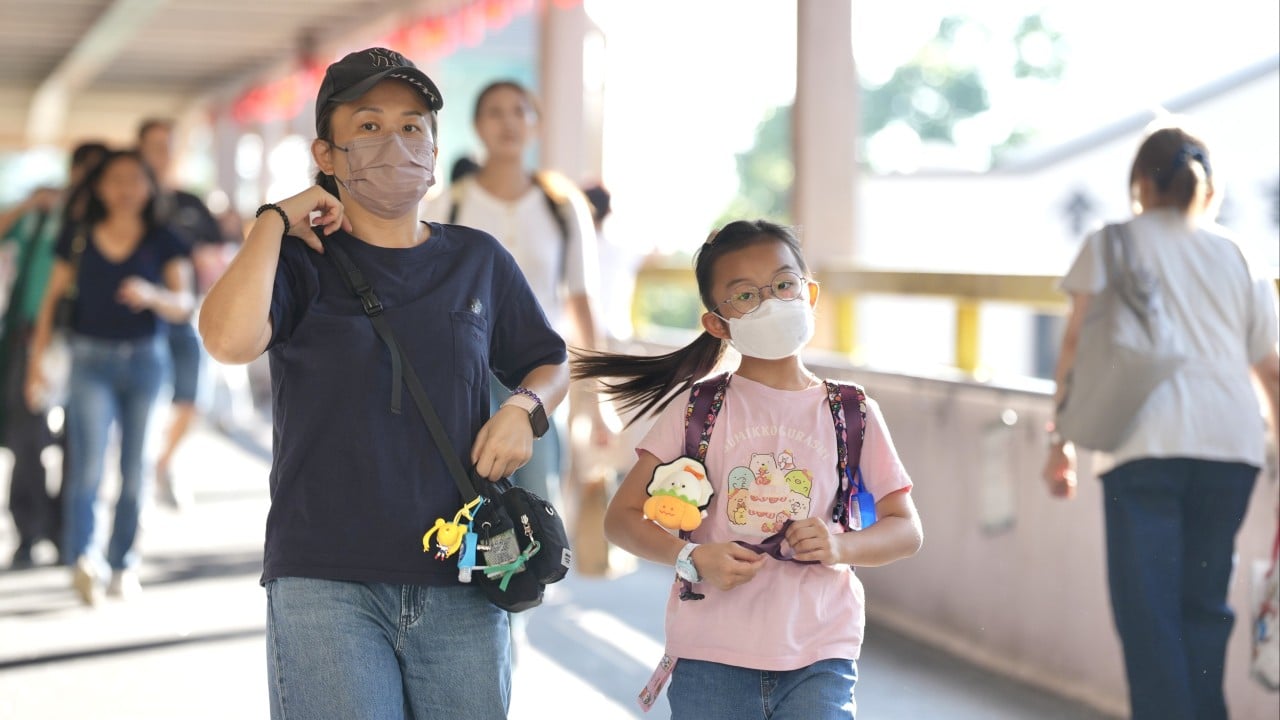
She closed the window, locking it tight, and felt a familiar reassurance. She didn't have asthma. Her lungs felt clear. Like millions of others watching the horizon dim across North America, Elena assumed that as long as she wasn’t coughing, she was safe.
She was wrong.
For decades, we have treated wildfire smoke as a crisis of the respiratory tract. We watch the news anchors warn vulnerable populations—the asthmatics, the elderly, the toddlers—to stay indoors. We buy inhalers and monitor our breathing, assuming our lungs are the primary battleground. But modern medicine is uncovering a far more insidious reality. The true danger of biomass smoke is not just what it does to the breath, but what it does to the blood, the heart, and the very chemistry of the human brain.
To understand the scale of the threat, we have to look closer than the naked eye allows. The ash you can wipe off your car windshield is merely the debris of a larger war. The real assassin is invisible. Scientists call it PM2.5—particulate matter so small that twenty-five of these particles could sit side-by-side across the width of a single human hair.
When you inhale normal urban pollution, your body employs a sophisticated defense system. The twists and turns of your nasal passages catch the heavy dust. The microscopic, hair-like cilia in your throat trap the mid-sized grit, allowing you to cough it out. Even deep within the air sacs of your lungs, specialized immune cells act like biological garbage trucks, consuming foreign invaders.
But wildfire smoke is a different beast entirely. It is a toxic cocktail of scorched pine, vaporized synthetic materials, plastics, and building materials from swallowed towns. The particles are so small they slip right past the garbage trucks of the lungs.
Imagine a microscopic invader breaching a fortress wall. Instead of staying in the respiratory tract, these nanoparticles cross the ultra-thin lung-blood barrier. They slip directly into your bloodstream. Once inside that highway, they travel to every major organ system in the body.
Consider what happens next: the heart.
Within hours of a heavy smoke event, emergency rooms experience a predictable, tragic surge. It is not just people struggling to breathe; it is people clutching their chests. When these tiny particles enter the bloodstream, they trigger an immediate, systemic inflammatory response. The body behaves as if it is under massive physical trauma. The blood thickens. Arteries stiffen. Plaque that has sat quietly in blood vessels for years can become unstable and rupture.
The data backs this up with terrifying clarity. Population studies have shown a direct spike in heart attacks, strokes, and acute cardiac arrests during and immediately following heavy smoke episodes. The risk multiplies exponentially when extreme summer heat joins the fray, placing a double burden on the cardiovascular system to cool the body while fighting off a toxic chemical deluge.
But the journey of the smoke does not end at the heart. It goes higher.
For days during the smoke crisis, Elena noticed a distinct mental fog. She forgot where she put her keys. She struggled to focus on a basic spreadsheet at work. She dismissed it as fatigue, perhaps a mild reaction to the oppressive weather.
What she was actually experiencing was the neuroinflammatory toll of the fires.
Neurologists have discovered that wildfire smoke has a backstage pass to the human brain. The smallest nanoparticles can bypass the lungs entirely. When you breathe through your nose, these toxins can travel directly along the olfactory nerve bundles, slipping past the blood-brain barrier—the body’s most secure defense system—and entering the central nervous system.
Once inside the brain, the chemicals generate profound oxidative stress. The immune cells of the brain, called microglia, go into overdrive, causing localized inflammation. For a healthy adult, this manifest as headaches, profound fatigue, and a sudden, frustrating inability to concentrate.
But for those already vulnerable, the stakes are devastating. Long-term tracking of communities exposed to chronic wildfire smoke reveals a chilling trend: a measurable rise in accelerated cognitive decline and diagnoses of dementia. For patients living with multiple sclerosis or Parkinson's disease, a single smoky week can trigger severe symptom relapses and sudden hospitalizations. The air we breathe is actively reshaping our neurological health.
Even the unborn are not immune. The systemic stress caused by these blood-borne particles has been linked to higher rates of low birth weight, preterm births, and pregnancy loss. The smoke from a burning forest thousands of miles away can dictate the health of a child before they take their very first breath.
The uncertainty is perhaps the heaviest burden to bear. We are living through an unprecedented global experiment. As climate shifts create longer, hotter, and more volatile fire seasons, we are no longer dealing with isolated incidents. We are dealing with seasonal reality. Scientists are still trying to understand the compounding effects of inhaling biomass smoke year after year.
We must shift how we view our environment. Checking the air quality index must become as natural as checking the temperature before stepping outside. Protecting ourselves means recognizing that keeping the smoke out of our lungs is only the first step; we must keep it out of our entire biology.
As evening fell, the orange sky outside Elena’s window faded into a murky, featureless gray. The streetlights flickered on, casting long, eerie beams through the floating soot. She sat in the quiet of her living room, listening to the gentle hum of a newly installed HEPA air purifier. She could no longer smell the phantom campfire. But she knew the air was alive with invisible architecture, and the battle for her health was being fought in the silent, winding pathways of her own veins.