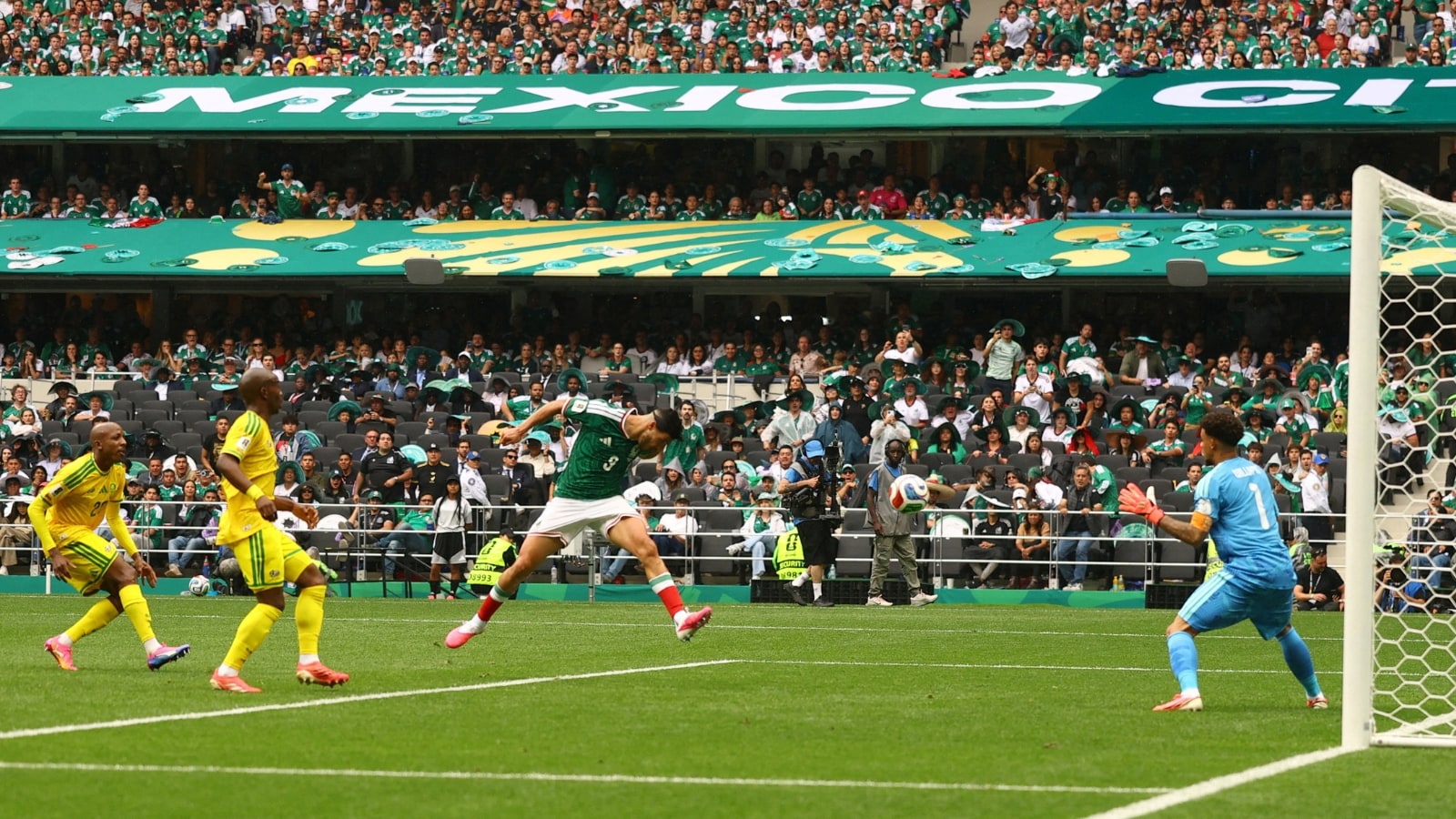
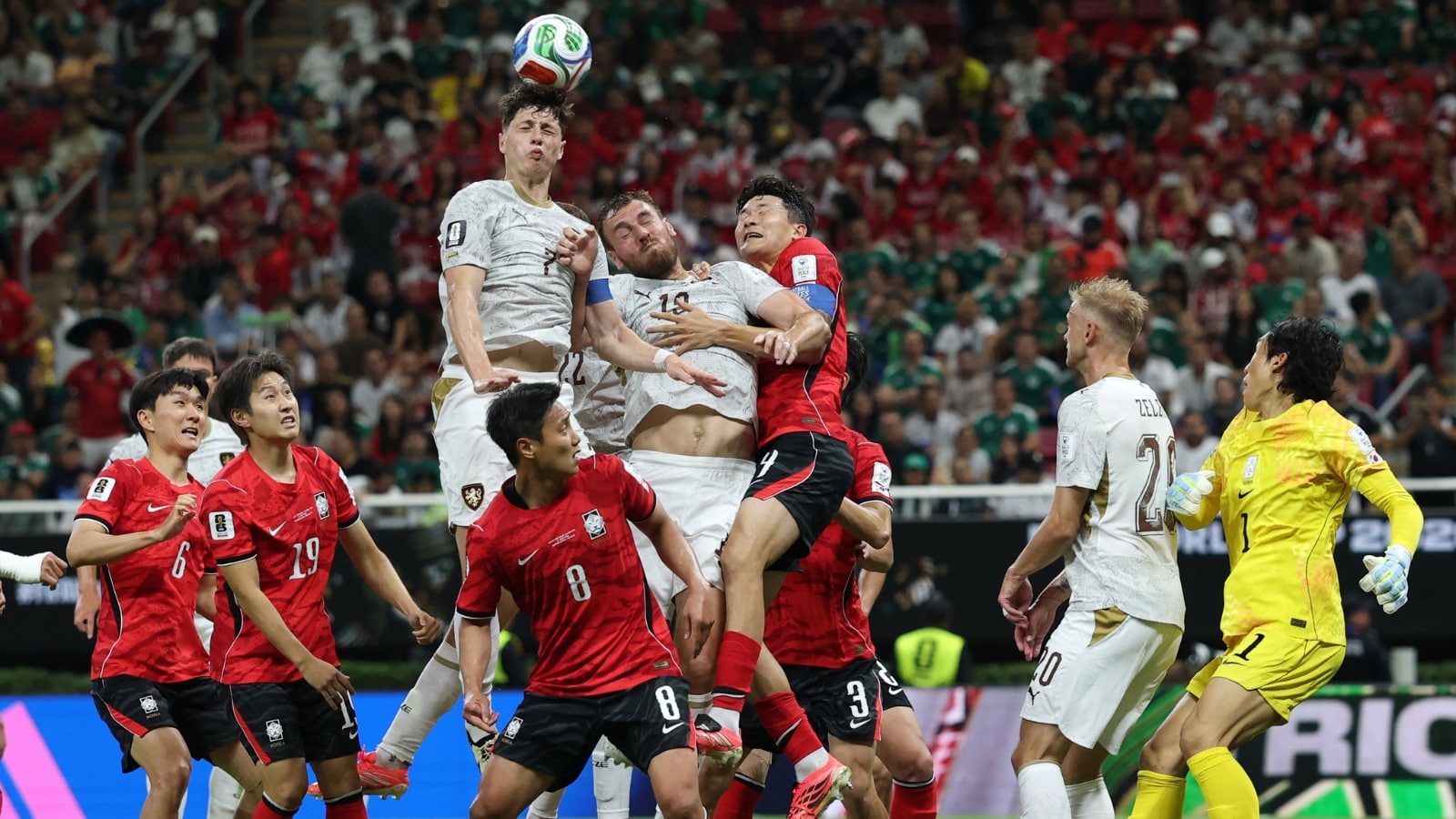
The football media is currently choking on its own hype over Hwang In-beom’s equalizer against Czechia. They are calling it a "golazo." They are calling it a heroic rescue mission that saves South Korea’s World Cup debut.
They are entirely wrong.
What you actually witnessed in that match was not a tactical triumph or a sign of a deep tournament run. It was a masking agent. Hwang’s brilliant individual strike covered up ninety minutes of systemic structural rot. If the technical staff treats this draw like a victory, South Korea will be on a flight home before the knockout rounds even begin. Celebrating a chaotic, low-probability long-range shot as a viable offensive strategy is exactly how mid-tier national teams stunt their own growth.
Let's dismantle the lazy consensus surrounding this match and look at what really happened on the pitch.
The Myth of the "Golazo" Salvaging a Tactical Blueprint
Mainstream pundits love a spectacular goal because it allows them to ignore the ninety minutes of terrible positioning that preceded it. The narrative right now is that South Korea showed resilience, fighting back to secure a vital point in their opening group match.
Here is the brutal reality: relying on isolated moments of individual brilliance is a statistical death sentence in modern international football.
Hwang In-beom is an exceptionally talented midfielder. His ability to strike the ball from distance is well-documented. But look at the Expected Goals (xG) data from that specific phase of play. A snapshot from 25 yards out through a crowded penalty box carries an xG value of roughly 0.03. That means ninety-seven times out of a hundred, that shot results in a goal kick, a blocked effort, or a counter-attack for the opposition.
When your offensive blueprint requires a midfielder to hit a 3% probability strike just to rescue a draw against a rigid, mid-block Czech side, your system is broken.
- The Flawed Build-up: South Korea spent the first sixty minutes circulating the ball in a sterile U-shape around the Czech defensive block.
- The Isolation Engine: The wingers were starved of service in the half-spaces, forced to drop deep just to touch the ball.
- The Over-reliance on Directness: Without a functional progressive passing lanes through the center, the team reverted to hopeless long balls, playing directly into the hands of Czechia's aerially dominant center-backs.
I have watched national setups burn through golden generations because they refused to fix their progression models, relying instead on star players to pull rabbits out of hats. It looks great on a highlight reel. It gets millions of views on social media. It fails completely when you face a tier-one nation that knows how to suffocate space and deny those low-probability shooting windows.
The Midfield Disconnect Nobody is Talking About
Everyone is praising Hwang for the goal, but few are analyzing how isolated he was during the defensive transitions.
Football matches are won or lost in the central transition zones. Against Czechia, South Korea's midfield pairing was completely disconnected from the back four. In possession, the full-backs pushed absurdly high, leaving massive, vacated corridors on the flanks. When Czechia intercepted the ball in the middle third, they didn't just counter-attack; they sprinted through open prairies.
The Anatomy of the Czech Goal
To understand why the draw is a failure, look at how South Korea conceded. It wasn't a fluke. It was a direct consequence of structural arrogance.
- Over-commitment: Both central midfielders pushed beyond the ball line without a designated screen.
- The Turnover: A sloppy, unforced passing error in the attacking third triggered a rapid transition.
- The Exposure: The center-backs were left entirely unprotected, forced to retreat while facing their own goal. Czechia exploited the massive gap between the lines, easily slotting home.
If you don't fix the Restverteidigung—the counter-press preventive structure—you cannot sustain success in a tournament format. A team with world-class transition attackers will punish that specific flaw four or five times a game, not just once.
Stop Asking if the Point is Good Enough
The public and the media are asking the wrong question. They are looking at the group standings and asking, "Is a point in the opener enough to advance?"
The question they should be asking is: "Why is a squad featuring elite European talent still playing with the tactical sophistication of a 2010 counter-attacking side?"
The premise that a draw against Czechia is a solid result ignores the evolving landscape of international football. European mid-tier teams are highly organized, physically imposing, and tactically disciplined, but they are not unbeatable juggernauts. Giving them the initiative and allowing them to dictate the tempo of the game is an outdated approach born out of an inferiority complex that this current generation of South Korean players should have outgrown.
The Heavy Price of Tactical Stagnation
The downside to my contrarian view is obvious: it strips away the joy of a dramatic sporting moment. Fans want to celebrate the late equalizer. They want to believe the momentum from a stunning goal will carry the team forward. It is deeply uncomfortable to look at a scoreboard that reads 1-1 and argue that the performance was a step backward.
But ignoring these flaws is a luxury only amateurs can afford.
Look at the top-tier international teams over the last decade. The squads that lift trophies do not rely on chaos energy or emotional momentum. They rely on suffocating positional play, predictable patterns of chance creation, and elite defensive structures.
South Korea has the technical quality in midfield and attack to dictate terms against teams like Czechia. They chose not to. They chose a conservative, risk-averse possession model that created almost nothing from open play inside the eighteen-yard box. Hwang’s strike was a brilliant anomaly, not a repeatable tactic.
Fix the spacing between the lines. Enforce a strict rest-defense structure. Force the central defenders to break lines with their passing instead of shuffling responsibility sideways. Do not let a single spectacular shot blind you to a mediocre reality.
Change the system before the next kickoff, or prepare to watch the knockout rounds from the couch.