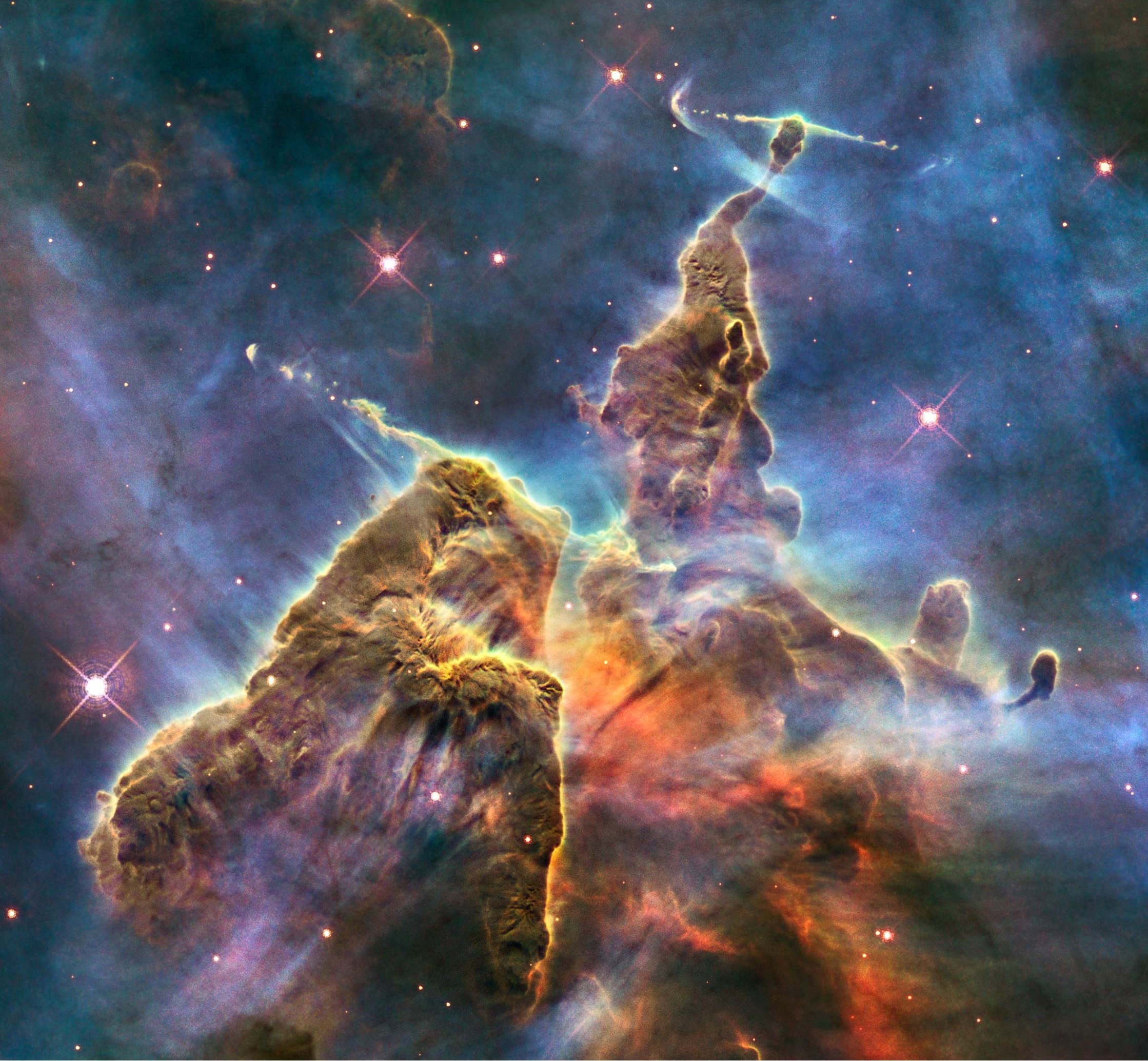
The air at nine thousand feet tastes like cold iron and thin ash. It is an altitude that does not welcome human lungs. It strips the moisture from your throat with every inhalation, turning breath into a ragged rasp that echoes inside your own skull. When you move through this world, you do not feel fast. You feel exposed.
Sophie Woods knew that exposure intimately. For a deeper dive into similar topics, we suggest: this related article.
She stood on the jagged spine of the European Alps, surrounded by a jagged crown of stone and glacial ice that had stood indifferent to human ambition for millennia. Below her, the trail unspooled like a dropped spool of gray thread, plunging down boulder-strewn switchbacks, climbing back up through fields of loose shale, and disappearing into the low-slung clouds that clung to the mountain shoulders like wet wool.
She was alone. That was the point. For broader details on this topic, in-depth analysis is available at Bleacher Report.
Ultrarunning at this level is often misunderstood as a physical test. Spectators look at the timing chips, the satellite trackers, the jagged lines on GPS maps, and they see numbers. They see distance. They see vertical gain measured in numbers that look like telephone codes. But numbers are a polite fiction we invent to tame things that are fundamentally wild.
The reality is blood, salt, and the quiet, crushing weight of solitude.
Hours earlier, the start line had been a blur of headlights and nervous laughter in the pre-dawn dark. Then came the gun. Then came the climbing.
To understand what it means to chase a fastest-known time across a brutal alpine route, you have to abandon the comforting metrics of the flatlands. You have to step inside the head of an athlete who has been moving for twenty, thirty, forty hours straight. Sleep becomes a rumor. Pain ceases to be a sharp warning and settles into the muscles like a permanent resident, dull and heavy, radiating outward from the hips and knees.
Your stomach rebels. The body, denied the luxury of digestion while blood is diverted entirely to working quads and straining lungs, rejects food with the stubbornness of a closed door. You force down gels that taste like sticky industrial syrup. You choke down tepid water from a flask that smells faintly of warm plastic.
Every runner knows the dark hour. It arrives without fail.
For Sophie, it hit somewhere around the high mountain pass as the wind picked up its predatory howl. The temperature plummeted below freezing. Ice crystals began to stitch themselves across the fabric of her jacket. Her legs felt hollow, like dry reeds ready to snap under the slightest pressure. The temptation to stop was not a voice; it was a physical gravity, pulling her toward the shelter of a boulder, whispering that rest was better than glory.
This is where the invisible stakes reveal themselves.
Nobody dies if an ultrarunner fails to break a record. No geopolitical borders shift. No economies rise or fall. The stakes are entirely internal, forged in the quiet furnace of personal expectation. When you push your body to the absolute edge of biological tolerance, you are running an experiment on your own soul. You want to see what is left when comfort is stripped away entirely. You want to find out who you are when the polite veneer of civilization falls off and leaves only raw, panting survival.
Consider what happens next in a moment like that: you take another step.
You do not think about the finish line. If you think about the finish line when it is fifty miles away and two vertical miles above you, your mind breaks under the math. Instead, you shrink the universe. The universe becomes the next three feet of dirt. It becomes the placement of your left trekking pole. It becomes the rhythmic, desperate retrieval of air.
Left. Right. Breathe.
Down in the valleys, people were drinking coffee, opening laptops, arguing about politics, living their predictable lives inside heated rooms. Up here, time stretched out, bending under the pressure of isolation.
Sophie moved with a predatory grace born of thousands of training miles spent in the wet, muddy hills of her home country. Her stride was efficient, though by this point in the push, it had lost its crispness. It had a heavy, mechanical trudge to it. Yet there was a hypnotic rhythm to her descent. She danced across fields of scree where a single misstep meant a shattered ankle or worse. Her eyes were fixed on the ribbon of trail, dilated, hyper-focused, taking in every root, every loose rock, every potential trap.
People ask why. They look at the bruised toenails, the blackened fingernails, the hollowed-out cheeks, and they ask what possesses someone to trade comfort for misery.
The answer is not simple. It is not about pride or medals. Those things tarnish instantly in the crucible of the high mountains.
It is about reclamation. In a modern world engineered to insulate us from every discomfort, from every drop of rain, from every moment of genuine physical struggle, the mountains remain delightfully, terrifyingly uncompromising. They do not care who you are. They do not care about your sponsors, your social media following, or your doubts. They are simply there, massive and ancient, waiting to see how you respond when you are asked the ultimate question.
Can you keep going?
As the shadows lengthened, stretching long, indigo fingers across the valleys, Sophie crossed the invisible threshold that separated her current suffering from history.
The final descent was a blur of adrenaline and burning quadriceps. Her knees screamed with every downward impact, sending white-hot bolts of agony up her spine. Her lungs felt like sandpaper. But the air was thickening now, tasting faintly of pine and damp earth, signaling her return to the lower world.
When she finally crossed the invisible finish line, there was no roaring stadium crowd. There were no flashing television cameras or confetti cannons. There was just a handful of crew members, their faces tight with exhaustion and relief, standing in the gathering dusk.
She stopped her watch.
The numbers blinked back at her. A new record. A new fastest-known time carved into the jagged stone of the Alps.
She did not cheer. She did not raise her arms in triumphant display. She simply let out a long, shuddering breath that sounded like a sigh of exhaustion, muttered a single, honest word—knackered—and sat heavily down on a cold rock, staring out into the deepening twilight as the first stars began to pierce the velvet black of the upper sky.


