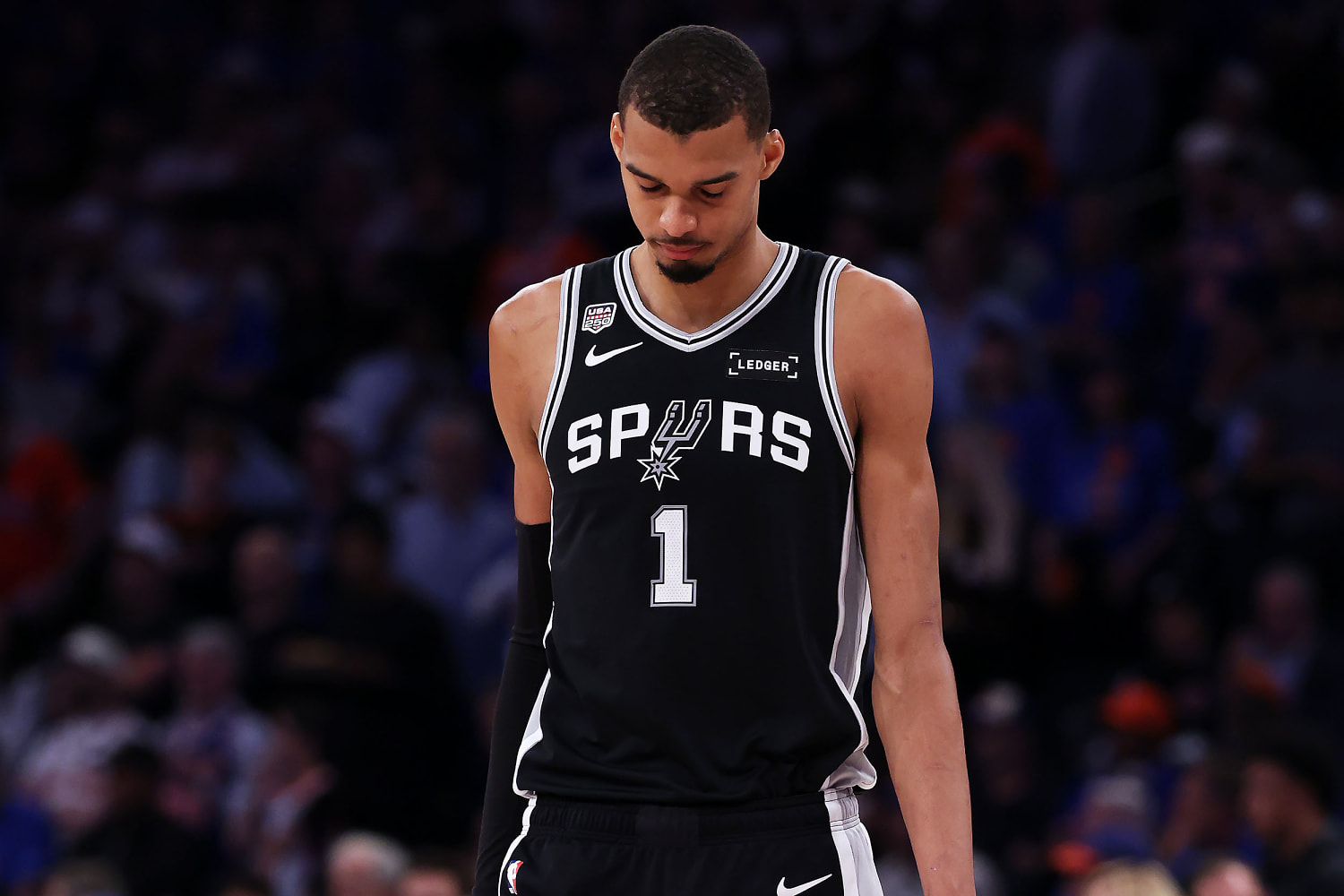
The Myth of the Devastating Loss
The sports media machine loves a funeral. Minutes after the buzzer sounded on Game 4, the obituaries were already written. Journalists crowded into a quiet locker room, hunting for signs of psychological trauma. They described a "silence filling the room" and painted a picture of a young squad broken by a late-game collapse.
They are misreading the entire situation.
What the consensus calls a devastating meltdown is actually an essential stress test. In high-stakes basketball, you do not build a championship core by sweeping inferior teams or executing flawless, low-resistance victories. You build it through catastrophic failure. The narrative that this loss ruined a season or fractured a locker room is lazy journalism that misunderstands how long-term roster construction and player development work.
I have spent decades analyzing NBA front-office strategies and player development arcs. The teams that win championships are not the ones that avoid ugly losses; they are the ones that experience them early enough to fix the structural rot.
Dismantling the Collapse Narrative
Let's look at what actually happened in the fourth quarter, stripped of the emotional hyperbole.
The media points to three specific failures:
- A six-minute scoring drought.
- Four turnovers from the primary ball-handlers in crunch time.
- Defensive miscommunications on perimeter switches.
The mainstream consensus says these errors prove the team lacks mental toughness. That is flawed logic. These errors are technical and tactical, not psychological.
The Anatomy of the Drought
During that six-minute dry spell, the shot profile was actually decent. The team generated three open corner three-pointers and two looks at the rim. They missed them. That is variance, not a mental collapse.
Standard Shooting Variance vs. Structural Failure
| Metric | What the Media Sees | What the Tape Shows |
| :--- | :--- | :--- |
| Shot Selection | Panic plays | Executed sets with missed open looks |
| Turnover Source | Choking under pressure | Aggressive defensive trapping adjustments |
| Bench Production | Lack of heart | Depth limitations exposed by injury |
| Defensive Shifts | Quitting on plays | Scheme breakdown under heavy isolation |
When you analyze the tracking data, the offensive rating dropped because execution slowed down, which happens to every young team when an opponent increases defensive pressure. Calling this a "meltdown" implies a lack of effort. In reality, it was a lack of execution under a specific type of defensive coverage that they had not seen enough of during the regular season.
Why Comfort is the Enemy of Contention
Winning Game 4 and coasting into the next round would have been the worst outcome for this franchise's long-term timeline.
Easy wins mask fatal flaws. When a team wins comfortably, coaches struggle to get players to buy into hard film sessions. Players ignore minor positioning errors because the outcome was a victory. A loss like Game 4 forces a brutal, honest assessment.
The Value of Tactical Exposure
Every great modern NBA dynasty had its Game 4 meltdown.
- The early 2010s Golden State Warriors had to get picked apart by veteran teams before their defensive switching clicked.
- The Miami Heat Big Three had to collapse in the 2011 Finals before they understood how to space the floor correctly.
- The 1990s Chicago Bulls spent years getting physically abused by the Detroit Pistons before they mastered the triangle offense.
If you do not experience the limits of your current system under maximum pressure, you enter the next phase of contention with a false sense of security. This loss exposed exactly who can handle the ball when an opponent denies the primary entry pass. It exposed which players default to isolation instead of trusting the ball movement. That is invaluable data for the front office ahead of the offseason.
People Also Ask: Dismantling the Flawed Premises
The questions dominating sports radio right now are built on incorrect assumptions about how basketball teams evolve. Let's answer them honestly.
Did the Coach Lose Control of the Game Plan?
No. The coaching staff ran the same sets that built a 15-point lead in the first half. The difference was the opponent shifted to an aggressive blitz on the pick-and-roll. The players on the floor failed to make the skip pass to the weak side fast enough. A coach cannot pass the ball for a player. The game plan was fine; the read-and-react processing speed of the young guards was too slow. That only improves with live-ball experience.
Does This Core Lack the Clutch Gene?
The "clutch gene" is a media invention used to explain basketball execution without doing any tactical analysis. Crunch-time execution is about spacing, timing, and muscle memory. When a team struggles late in a game, it is usually because their spacing shrinks due to fatigue or defensive pressure. Labeling it a character flaw misses the point entirely. Fix the spacing, and the "clutch gene" suddenly appears.
Should the Front Office Rush to Trade for a Veteran Star?
This is the most dangerous reaction possible. Panicking after a tough playoff loss leads to bad trades that ruin cap flexibility. Buying an expensive, aging veteran to fix a short-term execution issue is how franchises get stuck in the middle of the standings for a decade. The current core needs these exact scars to grow. Importing a veteran to take the tough shots handles the symptoms while leaving the underlying disease untreated.
The Dark Side of the Contrarian Reality
To be fair, this approach is painful. Accepting a devastating loss as a development tool means enduring ridicule from national media. It means dealing with an angry fan base that wants immediate gratification.
There is also a genuine risk: if the coaching staff does not use this tape to hold players accountable, the bad habits can harden into permanent flaws. Failure is only useful if the organization has the culture to digest it properly. If the players internalize the media's panic and start pointing fingers, then the silence in the locker room becomes toxic.
But judging by the leadership history of this organization, that is highly unlikely.
Stop Demanding Perfection from a Process
The expectation of linear progress is a delusion. Teams do not just get better every single week until they win a championship. Progress is jagged. It is ugly. It involves steps backward, embarrassing collapses, and public failure.
The silence in that locker room was not the sound of a broken team. It was the sound of reality hitting a young roster. They now know exactly how hard it is to close out a playoff game against an opponent fighting for survival. They know that a 15-point lead in May means absolutely nothing.
The media wanted tears, anger, or dramatic quotes. They got silence because the players were processing a lesson that no regular-season win could ever teach them. Stop crying about a blown lead and start appreciating the tactical education. The foundation of the next great team was poured during that disastrous fourth quarter.
Fix the entry passes. Clear the corner. Go play Game 5.