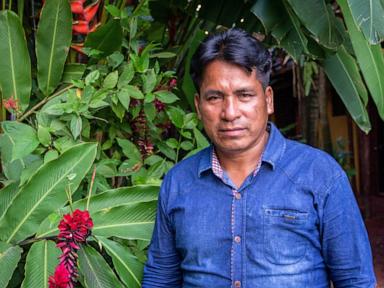
When global spiritual leader Sri Sri Ravi Shankar sat down with Iceland’s President Halla Tómasdóttir at the presidential residence in Reykjavík, the agenda wasn't just traditional philosophy. They talked about artificial intelligence, youth stress, and prison rehabilitation.
It might look like an unusual pairing at first glance. You've got a world-renowned meditation master meeting the newly elected head of state of a progressive Nordic nation known for its focus on social well-being. Yet, when you unpack what's actually happening to global mental health under the weight of hyper-speed tech, the conversation makes complete sense.
We're living through a moment where rapid technological shifts are reshaping human cognition and social structures. The real issue isn't whether AI will replace jobs. It's how human minds will cope with the relentless pace, isolation, and anxiety that come with it.
The High-Tech Paradox and Youth Mental Health
Iceland routinely ranks among the happiest countries on Earth, but even Nordic welfare models aren't immune to the modern mental health crisis. Youth anxiety, driven by endless screen time and algorithmic feedback loops, is rising globally.
When Sri Sri Ravi Shankar and President Tómasdóttir discussed youth and mental well-being, the core idea was simple: technology without inner quiet leads to burnout.
AI tools move fast. Human nervous systems don't.
If we don't teach young people how to regulate their emotional health, no amount of economic stability will prevent a mental health slump. Sri Sri’s organization, the Art of Living Foundation, has spent decades pushing breathwork and meditation as practical stress-relief mechanisms. Bringing these tools into high-tech, modern societies isn't optional anymore; it's basic maintenance.
"Inside every culprit, there is a victim crying out for help. When you heal the victim, the culprit disappears." — Sri Sri Ravi Shankar
Fixing the System From Within: Prison Rehabilitation Programs
One of the most surprising topics from the Reykjavík meeting was prison reform. Why would a global spiritual figure and a president spend time talking about correctional facilities?
Because traditional punishment models fail. Recidivism rates around the globe prove that locking people in a box doesn't fix deep-seated trauma or rage.
The Art of Living has quietly run prison rehabilitation projects in over 60 countries, reaching more than 800,000 inmates and correctional staff. Their approach uses specific breathing methods, like Sudarshan Kriya, to clear severe emotional trauma and calm autonomic nervous system responses.
The statistics behind these programs speak for themselves:
- 71% of participating inmates report better control over their anger.
- 70% report a reduced urge for alcohol and drugs.
- 84% report feeling significantly more relaxed and hopeful about their future.
Nordic rehabilitation models already focus on human dignity, but integrating breathwork and mental resilience tools adds a neurobiological layer to reform. It gives inmates a practical way to manage stress when intense anger hits, rather than acting on impulse.
Why AI Demands a Human Upgrade
Artificial intelligence was top of mind during the discussion in Reykjavík. As AI systems take over analytical, creative, and administrative tasks, human identity is getting shaken up.
When software generates code, writes essays, and creates art, human value shifts away from raw processing power. It moves toward emotional intelligence, empathy, and ethical clarity.
President Tómasdóttir has long advocated for compassionate leadership and women's empowerment. Merging human-centered leadership with spiritual wellness strategies offers a blueprint for navigating tech disruption.
If society relies purely on tech to solve human problems, loneliness spikes. We need systems that balance technological capability with personal well-being.
Practical Steps for Building Mental Resilience Today
You don't need a formal audience with a head of state to start fixing your own mental bandwidth. If you're feeling overwhelmed by screen fatigue, high-stress environments, or general burnout, start with these actionable steps:
- Practice daily nervous system resets: Spend 10 to 15 minutes each morning on structured breathwork. Slowing your exhalation directly activates the vagus nerve, dropping your heart rate and reducing cortisol.
- Set strict digital boundaries: Block out two hours before bed where screens are completely off. Algorithmic feeds keep your brain in a state of micro-alertness, ruining sleep quality.
- Focus on root-level rehabilitation: If you manage teams or work in high-stress environments, stop relying on superficial perks. Implement deep-tier stress management strategies that give people real tools to handle pressure.
The meeting between Sri Sri Ravi Shankar and President Halla Tómasdóttir isn't just a feel-good diplomatic photo op. It's a reminder that as our tech gets smarter, our approach to human well-being has to get sharper, too.