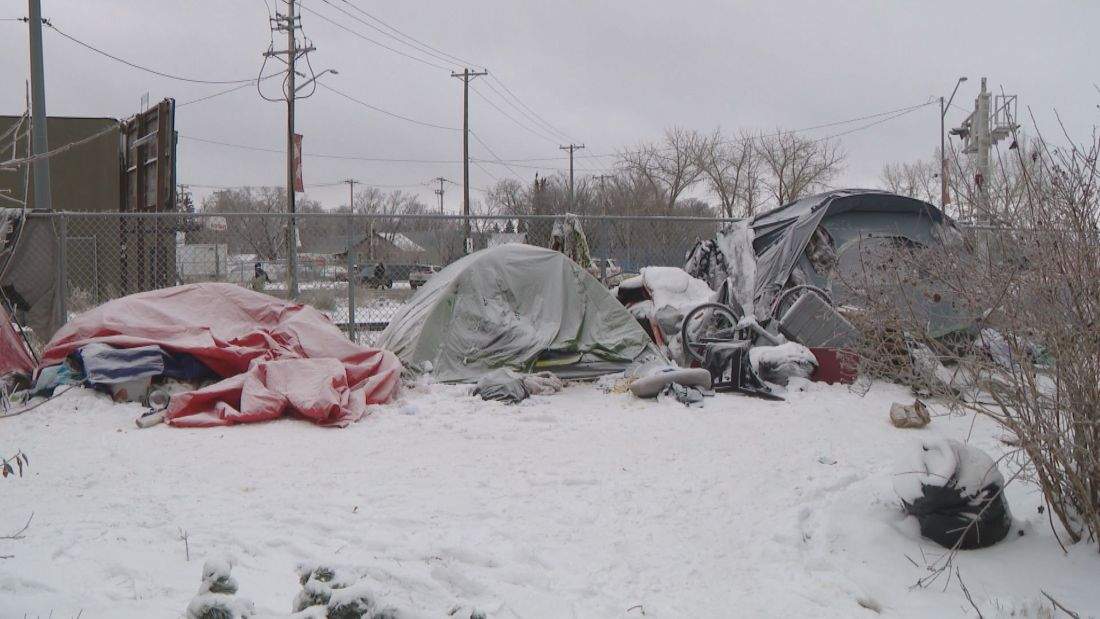
When a community hub takes a city hall to court over a tent encampment, people immediately pick sides. Half the city screams about fire hazards and safety bylaws, while the other half yells about human rights and nowhere else to go. That's exactly what happened when Station 20 West officially appealed the City of Saskatoon's order to dismantle an encampment on its property.
Most local news blurbs treat this like a routine municipal paperwork fight. It isn't. If you look closely at what's actually happening on 20th Street West in Saskatoon, this appeal exposes a massive collision between municipal property maintenance bylaws, fire safety enforcement, and the cold reality of a housing crisis with zero spare shelter beds.
And honestly? Whether you live in Saskatoon's Pleasant Hill neighbourhood or watch urban policy play out across Canadian cities, the outcome here sets a precedent that property owners and municipalities can't afford to ignore.
What Actually Happened at Station 20 West
Let's strip away the noise and look at the concrete mechanics of this dispute. Station 20 West is a well-known community enterprise centre located on 20th Street West in Saskatoon, housing non-profits, community services, and social enterprises that serve the core neighbourhoods. Over recent months, unhoused residents pitched tents and temporary shelters on the grounds outside the building.
The City of Saskatoon stepped in and issued an order directing Station 20 West, as the property owner, to clear and dismantle the encampment. Cities typically rely on property maintenance bylaws, nuisance regulations, and fire codes to issue these remediation orders. When a property owner gets that notice, they face a tight deadline to clear the site or risk city crews moving in and billing the owner for the cleanup.
Station 20 West didn't just roll over and call a bulldozer. Instead, the organization filed a formal appeal challenging the city's order to dismantle the encampment.
Why push back? Because from the perspective of community organizations operating on the front lines of poverty and housing insecurity, forcing people off private community property when municipal shelters are stretched thin doesn't solve homelessness. It just shoves vulnerable people two blocks down the street into alleys, doorways, or colder, less visible corners of the city.
Why Municipal Bylaws and Shelter Reality Keep Colliding
Here is the uncomfortable truth most city councils hate admitting out loud. Property standards bylaws were written assuming every resident has a legal, indoor place to sleep.
When Saskatoon's bylaw enforcement or fire inspectors look at an encampment, they aren't necessarily acting out of malice. They're looking at real physical risks. Propane heaters inside nylon tents catch fire. Accumulated debris blocks emergency access routes. Lack of sanitation creates public health hazards for both the people living in the tents and the staff working inside Station 20 West.
I've watched this exact regulatory gridlock play out in mid-sized cities across the Prairies for years. Inspectors follow the letter of the municipal code because, legally, they have to. If a fire breaks out on a commercial or non-profit property after an inspector ignored obvious hazards, the city faces massive liability.
Yet look at the other side of the ledger. When a city orders a non-profit landlord to evict an encampment without providing immediate, low-barrier indoor beds for every single person on that lot, the order becomes practically impossible to execute humanely.
The Trap Facing Community Landlords
Private developers and commercial landlords usually clear encampments within hours because they have private security budgets and zero community mandate. Community hubs like Station 20 West operate under a completely different set of pressures.
- Mission versus compliance. Station 20 West exists specifically to support marginalized residents in Saskatoon's core neighbourhoods. Calling police or private security to tear down tents contradicts the entire reason the building exists.
- Financial penalties. Ignoring a municipal remediation order isn't free. If an appeal fails and the deadline passes, the city can dispatch contractors to dismantle the site and tack those cleanup costs directly onto the property's tax roll.
- Insurance headaches. Commercial property insurers aggressively scrutinize encampments near buildings. If an insurer decides an encampment elevates fire risk beyond policy limits, a non-profit can lose coverage overnight.
That's the vise Station 20 West is caught in. Comply immediately and displace people you exist to serve, or appeal the order and buy time while risking legal and financial blowback.
What Most People Get Wrong About Encampment Appeals
Whenever a headline says an organization is appealing a city order to dismantle an encampment, social media comments fill up with the same two myths. Both are wrong.
First, people assume an appeal means the property owner wants a permanent tent city in their yard. Nobody working at a community centre thinks sleeping in a tent through a Saskatchewan winter is acceptable or safe. An appeal is almost never an endorsement of outdoor living. It's a legal mechanism to pause enforcement, force public transparency, and question whether the city followed proper administrative steps or considered practical alternatives.
Second, critics assume the city can simply wave a magic wand and make the tents disappear permanently. Experience across Canada—from Vancouver and Toronto to Winnipeg and Saskatoon—proves otherwise. Sweeping one lot without matching shelter capacity simply disperses the exact same group of people across a wider geographic area. Outreach workers then lose track of high-risk individuals, overdose response times get worse, and business owners three blocks away end up dealing with the exact same tents a week later.
How the Appeal Process Works in Saskatoon
When a property owner appeals a municipal order in Saskatoon, the dispute typically moves before a quasi-judicial appeal board—such as the Property Maintenance Appeals Board or an equivalent municipal tribunal—depending on the specific bylaw cited in the order.
This isn't a political rally. Appeal boards operate on narrow legal rules.
- Jurisdiction and authority. The board examines whether the city inspector had the legal authority under the relevant bylaw to issue the order in the first place.
- Procedural fairness. Did the city give proper notice, clear timelines, and specific descriptions of the violations?
- Reasonableness of the remedy. Was dismantling the entire encampment the only viable way to address the cited safety or maintenance issues, or could targeted mitigation—like removing specific fire hazards—have satisfied the bylaw?
Notice what's missing from that list. Municipal appeal boards generally cannot rewrite provincial housing policy or force city council to build twenty new shelter beds by Tuesday. Their mandate is strictly tied to the bylaw at issue.
However, filing an appeal accomplishes something crucial right away. In most administrative frameworks, lodging a formal appeal stays—or pauses—immediate enforcement until the hearing concludes. That pause gives community leaders, city administrators, and social service agencies critical breathing room to negotiate actual transitions for the people living in those tents.
The Bigger Picture for Saskatoon’s Core Neighbourhoods
You can't separate the Station 20 West appeal from the broader pressure cooker building in Saskatoon. Over the past couple of years, homelessness numbers in the city have climbed sharply, driven by rising rents, addiction challenges, mental health gaps, and tight provincial income assistance rates.
Saskatoon Fire Department crews and municipal bylaw officers have spent hundreds of hours responding to encampment fires, wellness checks, and neighbour complaints. Meanwhile, emergency shelters regularly hit capacity, and rules around sobriety, pets, couples, or storage keep certain unhoused residents out of traditional congregate facilities.
When those gaps widen, places like Station 20 West naturally become magnets. People gather near buildings where they already access food, washrooms, healthcare referrals, or familiar faces who treat them with basic dignity.
Put yourself in the shoes of the people living in those tents for thirty seconds. If your choice is a hidden riverbank with zero access to water and nobody around if you have a medical emergency, or the lawn beside a trusted community centre on 20th Street, you're pitching your tent by the community centre every single time.
What Happens When Enforcement Outpaces Housing
Look at the track record of encampment clearances in Canadian cities over the last five years. When municipalities rely primarily on bylaw orders and dismantling crews without synchronized housing intake, three predictable things happen:
- Loss of essential gear. Tents, sleeping bags, identification documents, and medications frequently get damaged or discarded during rapid clearances, pushing people deeper into crisis.
- Broken trust with outreach teams. When clearances happen abruptly, residents stop trusting social workers who operate near those sites, making long-term housing placement harder.
- Soaring municipal costs. Repeated cycles of inspection, notice, police standby, contractor cleanup, and garbage hauling burn through hundreds of thousands of taxpayer dollars without reducing the homeless population by a single person.
On the flip side, pretending fire hazards don't exist is equally reckless. Carbon monoxide poisoning from makeshift heaters and fast-moving tent fires have killed unhoused Canadians every single winter. Leaving an unregulated encampment untouched while temperatures plunge below minus thirty isn't compassion—it's a tragedy waiting to happen.
What Needs to Happen Next
The Station 20 West appeal puts a spotlight on a problem that neither a bylaw officer nor a single non-profit can solve alone. If Saskatoon wants to avoid repeating this exact legal standoff every few months, several practical shifts have to happen immediately.
First, separate life-safety hazards from mere existence. City inspectors and property operators need clear protocols that immediately remove open flames, faulty propane tanks, and blocked fire exits without automatically bulldozing every shelter structure before indoor beds are confirmed.
Second, tie every dismantling order to verified shelter capacity. Before a municipal order triggers forced removal on community property, city outreach coordinators should verify real-time, accessible indoor spaces for the specific individuals on site—including accommodations for couples and personal belongings.
Third, build formal mediation between civic enforcement and community hubs. Non-profits like Station 20 West shouldn't have to file formal legal appeals just to get a seat at the table with municipal directors to coordinate a safe transition plan.
If you live in Saskatoon or follow municipal housing policy, pay close attention to the upcoming appeal board hearing dates and public agendas from Saskatoon City Hall. Read the actual bylaw citations in the public record, track how city council allocates upcoming emergency shelter funding, and hold both municipal leaders and provincial housing ministries accountable for delivering real indoor spaces rather than endless rounds of property-line enforcement.


