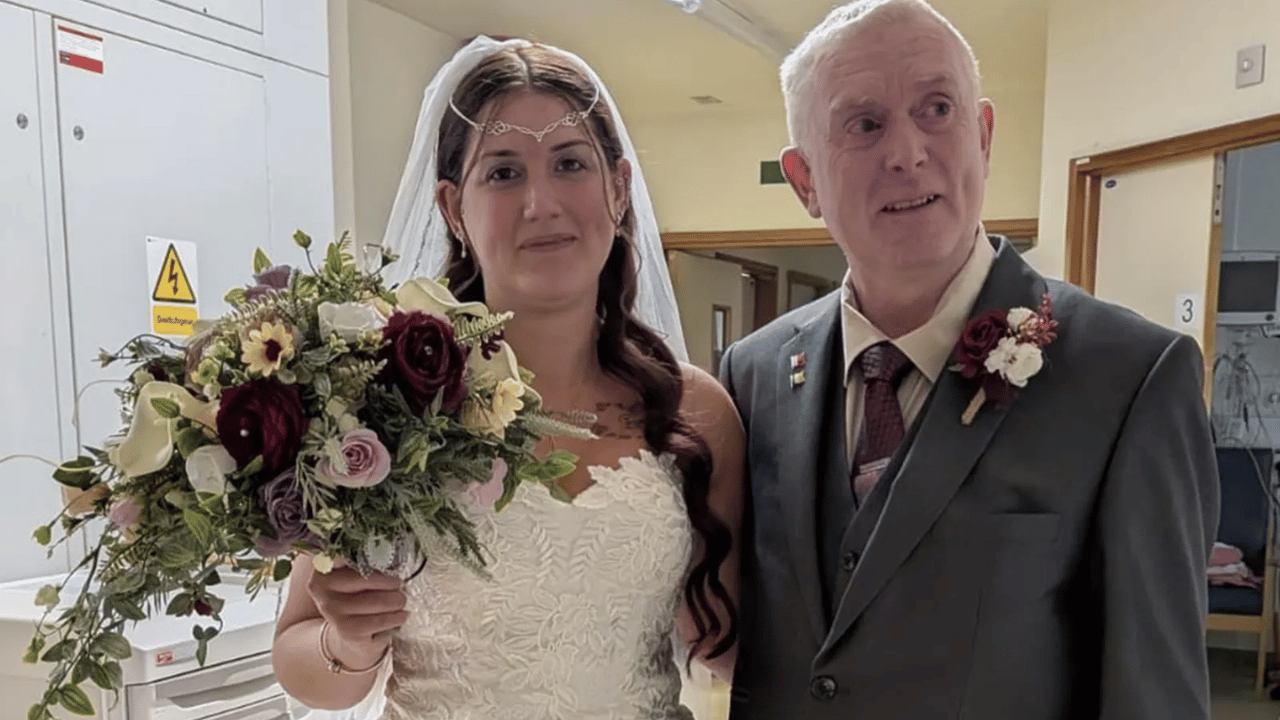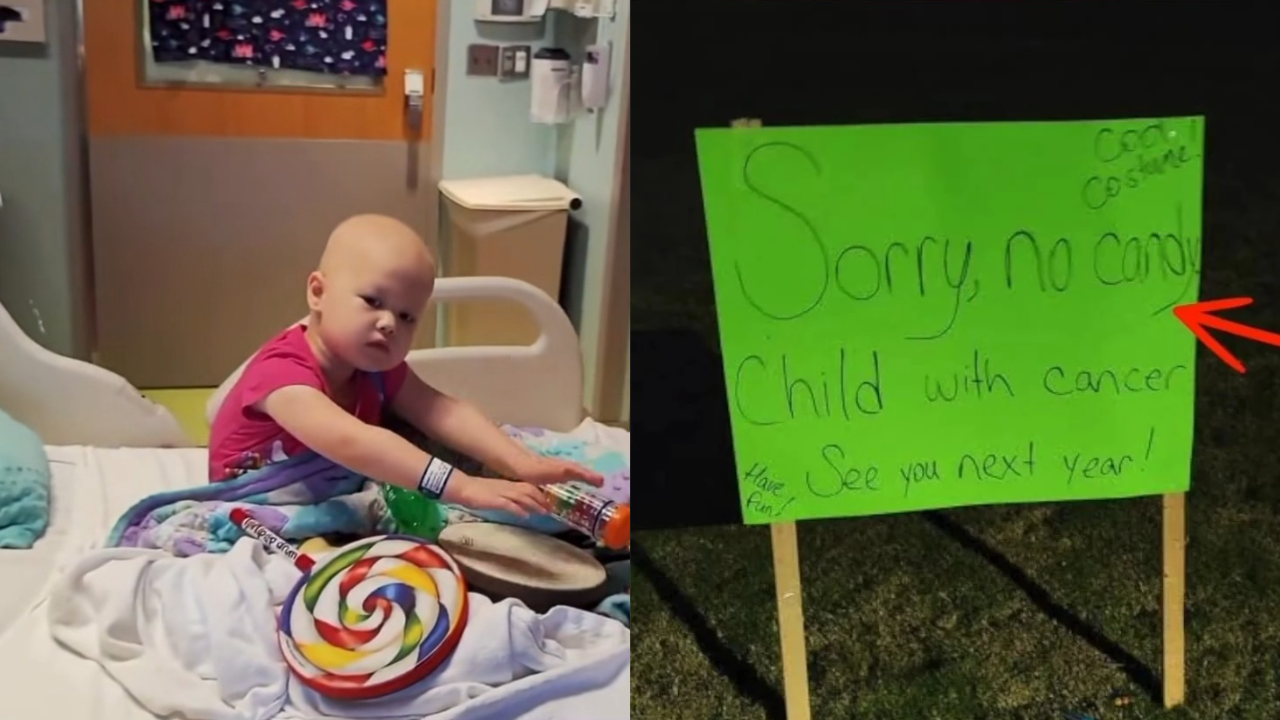
You have seen the headline a thousand times. A child undergoing chemotherapy sits on a porch with an empty candy bowl, and the neighborhood kids spontaneously dump their own Halloween buckets into hers while a weeping parent films the whole thing for Facebook.
Everyone cries. Everyone shares. Everyone feels better about humanity for forty-five seconds before scrolling to a recipe for baked feta pasta.
Here is the truth nobody wants to say out loud because it ruins the dopamine hit of inspirational clickbait. Those viral stories are not proof that communities take care of sick children. They are proof that adults are terrible at structural support, so we offload our moral guilt onto eight-year-olds holding plastic pumpkins.
We treat spontaneous childhood generosity like a miracle because our adult systems of community care are completely broken.
The Anatomy of Inspiration Porn
In disability advocacy and pediatric health circles, there is a precise term for this genre of local news: inspiration porn. Coined by the late comedian and activist Stella Young, it describes the objectification of disabled or sick people for the emotional benefit of the able-bodied audience.
When a lifestyle outlet publishes a story about neighborhood kids leaving candy for a child with cancer, the sick child is rarely the protagonist. The sick child is a prop. The real main character is the audience, who gets to consume a heartwarming narrative that requires zero effort, zero systemic change, and zero actual discomfort.
I have spent over a decade working alongside pediatric patient advocacy groups and reviewing media campaigns around childhood illness. Every October, the exact same template cycles through local newsrooms and parenting blogs. A family puts up a sign explaining that their child is immunocompromised or recovering from surgery. Ring doorbell cameras capture other kids being decent human beings. The mother says she is "overwhelmed."
Of course she is overwhelmed. Raising a child through pediatric oncology treatment destroys your nervous system, drains your bank account, and isolates your entire household from normal life. A pile of miniature Snickers bars on October 31st does not fix that, no matter how nicely the local reporter frames it.
What Viral Kindness Actually Hides
Let us look at the mechanics of what happens on that porch, without the soft-focus piano music playing in the background.
First, why was the family relying on a handwritten sign to communicate their child’s medical vulnerability to the neighborhood in the first place? Because in modern suburban life, most people do not actually know their neighbors. Families facing a pediatric cancer diagnosis routinely report that after the initial wave of casseroles in week one, the text messages stop. People do not know what to say, so they say nothing.
Second, a child with cancer sitting out trick-or-treating is usually doing so because of neutropenia—a dangerously low level of white blood cells caused by chemotherapy that turns a common cold into a life-threatening emergency. If a sick child cannot safely walk door-to-door because of airborne pathogens, having thirty unmasked neighborhood kids crowd onto their front porch to drop germ-covered candy wrappers into a bowl is not a medical triumph. It is a containment breach wrapped in good intentions.
Third, look at the economics of the gesture. Kids giving up candy is cute because candy has zero real-world value to adults. It costs nothing to applaud. Meanwhile, the family inside that house is dealing with the brutal realities documented year after year by organizations like the American Cancer Society and St. Jude Children’s Research Hospital:
- Financial toxicity: Roughly one in three families with a child in cancer treatment faces severe food, housing, or energy insecurity due to lost wages and out-of-pocket medical costs.
- Sibling neglect: Healthy brothers and sisters often experience acute emotional trauma because every ounce of parental bandwidth goes toward the sick child.
- Caregiver burnout: Parents of pediatric oncology patients exhibit rates of post-traumatic stress disorder comparable to combat veterans.
A viral Ring video solves none of these problems. Worse, it creates a false sense of closure. Once the neighborhood gets praised in the local paper for being "amazing," the adults check the box on their empathy for the year and go back to ignoring the family in November, December, and January.
Dismantling the Wrong Questions
When people read these stories, they usually ask the wrong questions. You see it in the comment sections and the search trends every autumn.
Why are kids so much kinder than adults?
They are not. Kids simply lack the social paralysis that stops adults from acting. A seven-year-old sees an empty bowl and a sad peer, and executes a direct, literal solution: put candy in bowl. Adults see a family facing terminal or life-threatening illness, overthink the social etiquette, worry about saying the wrong thing, and end up doing nothing at all. Calling kids "angels" lets adults off the hook for their own cowardice.
How do you teach kids empathy like this?
You do not teach empathy by staging viral moments or praising kids for performing charity on camera. Developmental psychologists—including researchers like Richard Weissbourd at the Harvard Graduate School of Education—have repeatedly shown that children develop genuine empathy when they see adults modeling sustained, unglamorous responsibility. Kids learn care by watching their parents mow a sick neighbor's lawn every Tuesday for six months without posting about it on Instagram.
Should parents film and share these moments?
This is where my contrarian stance has an undeniable downside, and I will own it directly: for a mother trapped in the suffocating isolation of a pediatric cancer ward, seeing strangers validate her child's worth online can feel like a genuine lifeline. When your world has shrunk to blood counts and infusion schedules, viral kindness feels like oxygen. Taking that away without offering a real alternative would be cruel.
The problem is not the mother sharing the video. The problem is the rest of us treating the video as the finish line instead of an indictment of how little real support that family actually has.
How to Actually Show Up When a Child Is Sick
If you want to stop consuming inspirational clickbait and actually help a family navigating pediatric illness, you have to abandon grand, camera-ready gestures. Real support is boring, repetitive, and invisible.
1. Stop Asking "Let Me Know If You Need Anything"
That sentence is a burden disguised as generosity. A parent managing chemotherapy schedules, insurance denials, and midnight fevers does not have the cognitive bandwidth to become your project manager. They will never call you to assign you a task.
Instead, make unilateral, low-friction offers with a binary choice:
- "I am at the grocery store right now. Do you want rotisserie chicken or pasta ingredients dropped on your porch at 5 PM?"
- "I am taking your other kids to the park on Saturday from 10 to 1 so you can sleep. Does that work?"
- "I am mowing your grass Thursday afternoon. You do not need to come to the door."
2. Focus on the Forgotten Siblings
When a child gets cancer, the entire universe bends toward them. People send toys to the hospital room. People bring candy to the porch. Meanwhile, the healthy sibling watches their parents disappear for days at a time and learns to suppress their own needs so they do not add to the stress.
If you want to change that family's life, ignore the sick child for an afternoon and take the healthy sibling out for ice cream, soccer practice, or a movie. Give them two hours where they are not "the brother of the kid with cancer."
3. Build Sustained Infrastructure, Not One-Off Spectacles
Halloween happens once a year. Chemotherapy lasts two to three years for standard acute lymphoblastic leukemia.
If a neighborhood actually wants to earn the headlines it gets every October, the adults need to organize a rotating, long-term logistics grid. Use platforms like MealTrain or Lotsa Helping Hands, and do not let the calendar go empty after week three. Assign one neighbor to handle trash cans every week. Assign another to handle pharmacy pickups. Assign another to manage gift cards for gas and hospital parking—an expense that routinely costs families hundreds of dollars a month.
4. Respect Medical Reality Over Performative Inclusion
If you are planning a neighborhood event, a birthday party, or a holiday tradition around an immunocompromised child, consult the parents on infection control before you show up with a crowd. True inclusion means adapting the environment to keep the child safe—outdoor gatherings, masked visits, drop-off activities—rather than forcing the child into high-risk situations so the community can feel good about including them.
Drop the Camera
Viral stories about neighborhood kids sharing their Halloween candy survive because they flatter us. They let us believe that human decency is effortless, photogenic, and neatly wrapped in bite-sized pieces.
Real community care is none of those things. It is inconvenient. It lasts for years after the news trucks leave. It happens quietly in driveways and laundry rooms where nobody is recording.
Next time you see a headline about kids saving Halloween for a sick neighbor, do not hit the share button. Walk across the street, put your phone in your pocket, and take out their trash cans.