Every conventional foreign policy pundit is currently hyperventilating over a tweet. They are drafting meticulous legal breakdowns explaining international maritime law, citing the United Nations Convention on the Law of the Sea, and solemnly informing their readers that the President of the United States cannot legally stroll into the Persian Gulf, slap a brand-new label on a sovereign international chokepoint, and call it a day.
They are missing the entire point.
Focusing on the domestic or international legal impossibility of rebranding a foreign transit corridor misses the core mechanism of modern political theater. I have watched corporate boards and political strategists spend millions chasing literal definitions while completely ignoring structural leverage. Debating whether the United Nations or Oman will update their official cartography to read "Trump Strait" is a profound waste of cognitive bandwidth.
The question is never whether a map update is legally binding under international statutes. The question is why anyone still believes sovereign boundaries stop digital cartography or domestic political distraction tactics.
The Cartographic Illusion and Domestic Smoke
Let us define what is actually happening here. When an administration floats a maximalist geographic rebrand—whether targeting Lake Ontario or a vital petroleum artery—they are not executing a traditional act of colonial expansion or legal annexation. They are performing a domestic media jujitsu.
Look at the mechanics. Midterm elections loom, fuel prices pinch consumers at domestic pumps, and an active military standoff in the Middle East threatens political stability. What does standard political management dictate? Defend policy positions, issue dry economic white papers, and hope voters ignore the cost of living.
Instead, inject an absurdity into the news cycle. Watch elite media outlets drop all meaningful investigative reporting on logistics or regional escalations to argue about whether Apple Maps or Google will comply with a domestic naming convention.
Google and Apple adjusted regional servers to reflect domestic preferences during previous renaming pushes, while international users saw zero change. The digital map splits. Physical reality splits. Your screen shows one thing; a ship captain navigating the Persian Gulf experiences entirely different rules of engagement governed by active blockades and missile strikes.
Deconstructing the Legal Hand-Wringing
Legal scholars love to point out that the US Board on Geographic Names only dictates federal documents. They point out that Iran and Oman share the coastline of the actual passage, making unilateral jurisdiction an absolute fiction.
True. But completely irrelevant.
Nobody inside the West Wing thinks Tehran is going to submit a zoning request to the Department of the Interior. The renaming proposal functions as a linguistic grenade designed to shift the baseline of conversation. By pitching an impossibility, the administration frames the entire narrative around dominance, control, and defiance.
When you argue about why a name change fails international standards, you have already accepted their framing: that American power is the primary protagonist in a global soap opera. You are validating the spectacle by attempting to refute it with textbooks.
The Uncomfortable Truth About Global Chokepoints
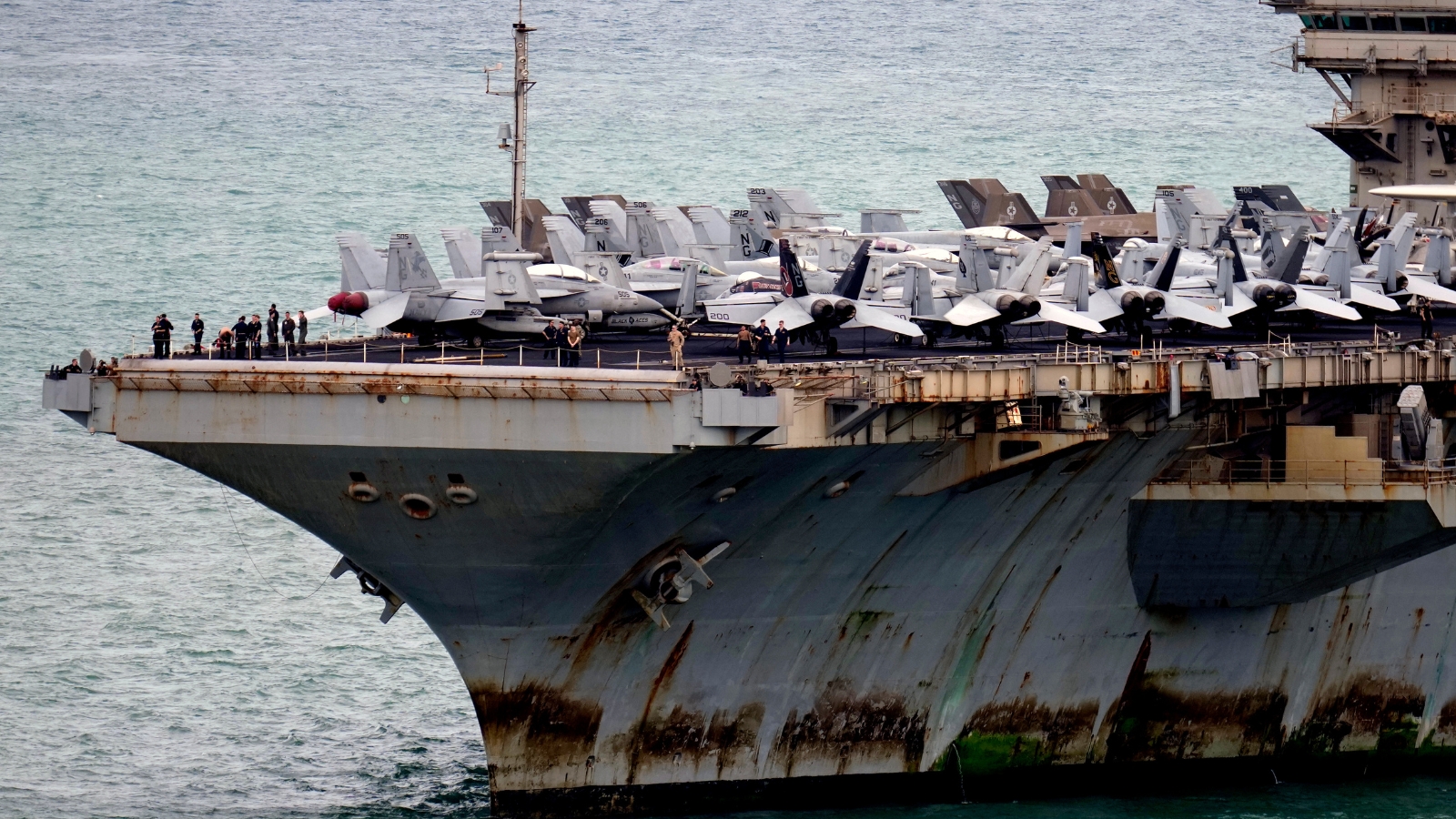
If you want to look past the political theater, look at the physical flow of energy. A fifth of global petroleum historically moves through that narrow oceanic passage. While commentators argue over typography, the strait remains effectively constrained by ongoing military friction, forcing markets to adapt to pipeline workarounds and volatile pricing.
Naming it after a sitting president does not drop a single barrel of oil onto a tanker. It does not reopen closed insurance markets or clear naval mines. It is a digital watermark on a social media graphic.
Stop treating political trolling as a constitutional crisis, and stop treating legal impossibilities as operational barriers. The map is not the territory, and a tweet is not a treaty.
This breakdown explores the practical realities of the ongoing conflict and shipping disruptions in the Middle East beyond the political rhetoric.
http://googleusercontent.com/youtube_content/1