Every monsoon season, the headlines write themselves. A cloudburst hits the Hindu Kush Himalayas, a river breaches its banks, mud swallows hillside settlements, and the international commentariat rushes to point a collective finger at global carbon emissions. The narrative is neat, tragic, and fundamentally lazy. We are told that a warming planet is writing a death sentence for South Asia, turning every natural hazard into an unavoidable act of anthropogenic vengeance.
It is a comforting framework for distant observers because it shifts accountability entirely to the global atmospheric ledger. If the crisis is planetary, local actors bear no blame.
Except they do.
I have walked the washed-out tracks of Sindhupalchowk and stood inside hazard-zoned riverbeds where multi-story concrete structures have sprouted over the past decade like illegal mushrooms. I have watched municipal authorities sign off on road-cutting permissions that slice straight through unstable colluvial slopes, acting as direct invitation cards for future landslides. When a hillside is excavated from the toe to build a haphazard dirt track for a local politician's voter base, physics does not care about your carbon tax. Gravity wins every time.
To understand why Nepal keeps burying its citizens year after year, we have to strip away the emotional veneer of climate fatalism and look at the actual mechanics of disaster governance. We are masking institutional failure, rampant corruption, and catastrophic urban planning behind a convenient green smoke screen.
The Myth of the Unprecedented Event
Every time a river surges past its historical high-water mark, media outlets label it a once-in-a-century anomaly. This is a statistical lie.
Himalayan watersheds are among the most dynamic, tectonically active environments on Earth. They are mountains still actively growing, composed of fragile, weathered rock and deep sediment deposits. Flash floods, debris flows, and glacial lake outburst floods have shaped these valleys for millennia. The landscape is built on instability.
Yet, planners treat the valleys as if they were Dutch polders.
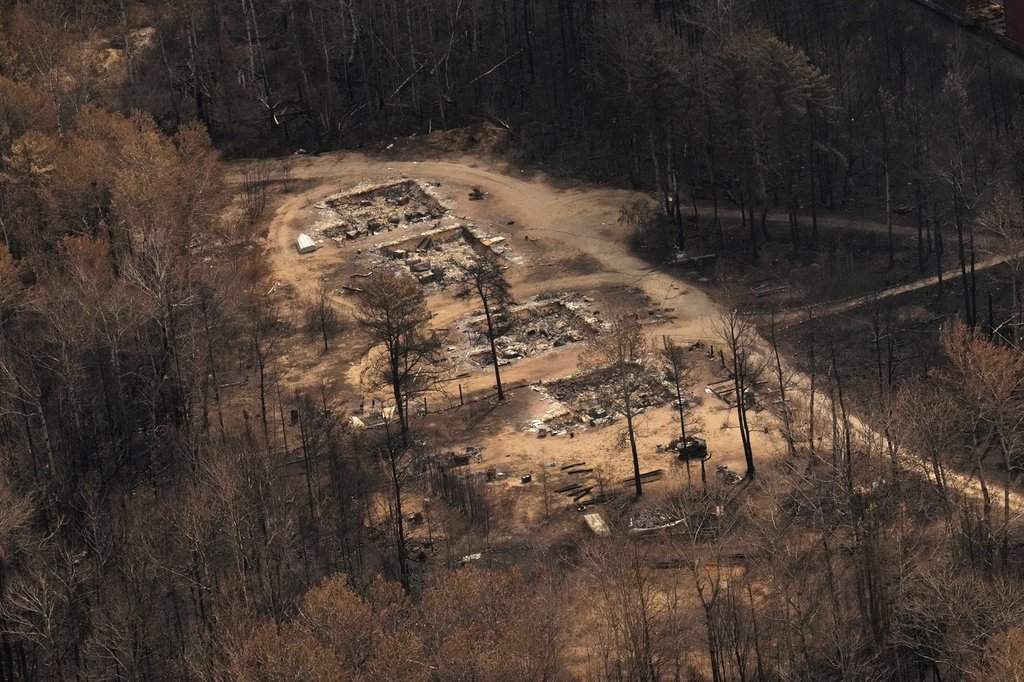
Road construction in the middle hills has exploded over the last twenty years. The rural road expansion campaign, known locally as bulldozer culture, relied on unengineered excavation. Local ward chairs hired heavy machine operators to carve roads into steep slopes without retaining walls, proper drainage, or geotechnical surveys. Every monsoon, those loose mountain-side cuts transform into millions of tons of mobile slurry, choking main river channels and creating temporary landslide dams that eventually burst downstream with catastrophic force.
When that debris wave wipes out a settlement, blaming melting Arctic ice is an intellectual cop-out. The primary driver of the disaster was not a melting glacier thousands of miles away; it was an unengineered excavator operating without oversight fifty yards up the hill.
Urbanization Inside a Shooting Gallery
Look at the expansion of settlements along the banks of the Bagmati, Bishnumati, and Tamakoshi rivers. Floodplains that served as natural retention basins for centuries have been systematically encroached upon, parceled out, and built over.
Real estate speculators and local land mafia operate with impunity, buying up low-lying riparian zones and filling them in to create commercial plots. Municipalities look the other way, often trading building permits for political loyalty or short-term tax revenue. When a high-intensity cloudburst drops 150 millimeters of rain in six hours—a heavy downpour, certainly, but well within historical meteorological parameters—the water has nowhere to go. The concrete banks restrict the channel, the narrowed flow backs up, and neighborhoods flood.
Then the cameras arrive, the tragedy is broadcast worldwide, and politicians pledge relief funds that will inevitably disappear into administrative black holes or get redirected toward politically connected contractors.
We do not have a climate crisis alone; we have a land-use crisis masquerading as a weather event.
The Economics of Disaster Relief
Disaster capitalism in Nepal runs on a predictable cycle. Step one: a disaster occurs. Step two: immediate emotional shock and international appeals. Step three: emergency relief funds are disbursed. Step four: temporary shelters are built that turn into permanent slums. Step five: everyone forgets until the next cloudburst repeats the script.
This cycle persists because crisis management is far more lucrative for local elites than long-term risk mitigation. Prevention is boring. You do not get ribbon-cutting ceremonies for zoning laws enforced or illegal hillside excavations halted. You do not get international sympathy grants for maintaining drainage culverts.
Instead, the system incentivizes vulnerability. The poorer you are, the more likely you are to be pushed onto marginal, hazard-prone land—steep gullies susceptible to debris flows or unstable riverbanks prone to lateral cutting. When the inevitable slide occurs, the poor lose their homes and lives, while the politicians use the tragedy to lobby for international adaptation funds, which are then funneled into consulting fees and poorly executed engineering projects that crumble by the next rainy season.
What Real Adaptation Looks Like
If we want to stop the body count, we have to stop treating every monsoon casualty as a tragic inevitability of climate change.
First, we need an immediate moratorium on unengineered rural road construction. Any excavation on slopes exceeding thirty degrees without certified geotechnical oversight should be treated as a criminal offense.
Second, riverfront zoning must be enforced with absolute brutality. That means evicting commercial and residential encroachments from active floodplains, regardless of political affiliations. Natural river corridors need room to breathe and overflow without taking entire settlements with them.
Third, early warning systems must be decoupled from bureaucratic inertia. While community-based siren systems have improved, they are useless if the local populace has nowhere safe to evacuate to because safe zones were sold off to developers.
We can do nothing about the fact that the Himalayas are young, steep, and prone to heavy monsoons. That is geology. But we can control where we build, how we cut our hills, and who we hold accountable when greed collides with gravity.
Stop waiting for global emissions targets to save the valleys of Nepal. The bulldozers on the ridge are the immediate threat. Take the keys away from them.