Every time a bag of pre-washed greens makes headlines for a pathogen outbreak, the media rolls out the exact same tired script. We get frantic alerts about recalled UPC codes, dramatic warnings from public health agencies, and a chorus of consumers vowing to never touch a salad again.
It is lazy, reactive theater. Expanding on this topic, you can find more in: Evaluating Epidemic Trajectories Why Case Growth Metrics Fail in Complex Outbreaks.
The lazy consensus is that bagged lettuce is inherently dangerous, a rogue vector of misery slipping past the velvet ropes of food safety. Panic fills the grocery aisles, restaurants pull mixed greens from menus, and processing plants issue solemn apologies about commitment to quality. Then, three months later, we do it all over again with cantaloupe, spinach, or onions.
I have spent two decades watching companies burn millions trying to scrub raw agricultural products down to sterile perfection. It is a fool's errand. You cannot sanitize a field with chlorine washes and PR statements. Analysts at WebMD have shared their thoughts on this situation.
The Core Delusion of Sterile Agriculture
The entire premise of industrial produce is built on a fundamental contradiction. We demand year-round access to delicate, perishable leaves harvested thousands of miles from our plates, washed in industrial flumes, sealed in modified-atmosphere plastic bags, and kept shelf-stable for weeks.
Then we act surprised when biology does what biology does.
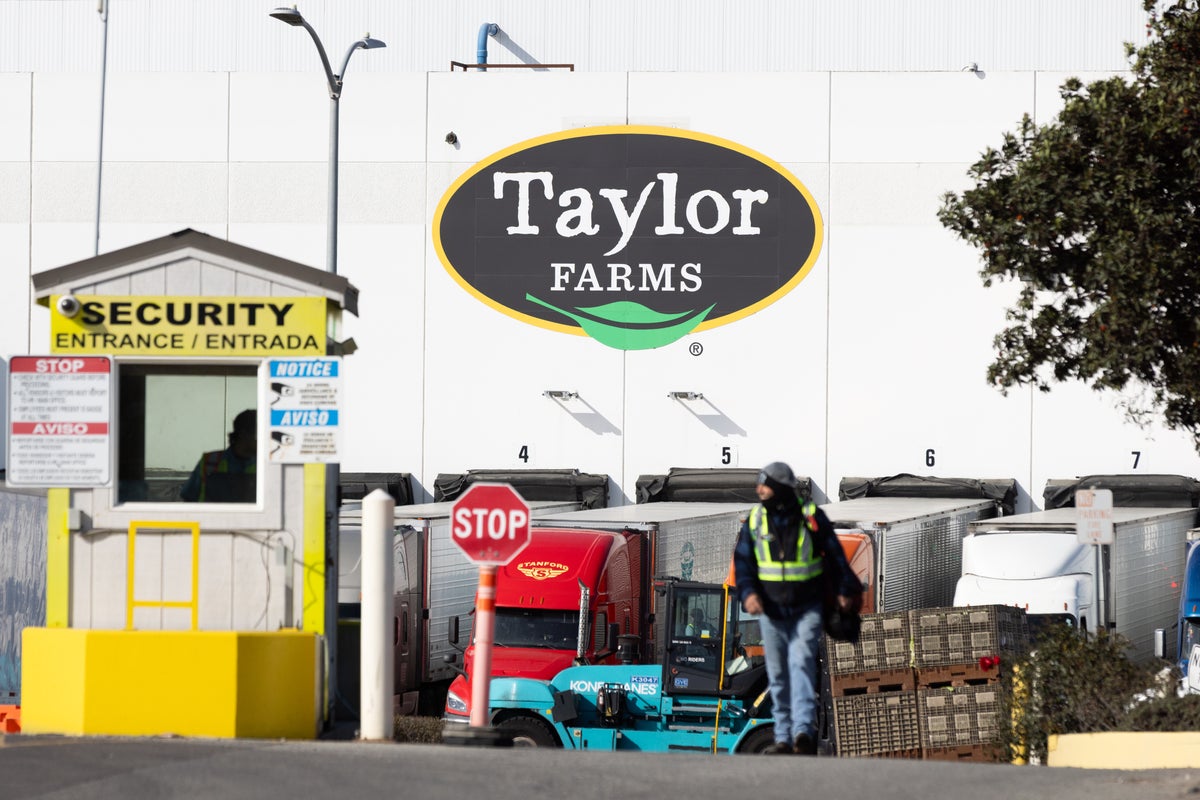
Raw agricultural products are not microchips. They come from dirt, birds walk across them, irrigation water carries microbes, and no amount of triple-washing will turn a field crop into a medical-grade implant. When a batch of Taylor Farms salad triggers an outbreak, the mainstream narrative fixates on the specific farm or the processing facility. That misses the entire point.
The vulnerability is structural. Consolidation created a centralized supply chain where a single processing hub handles raw material from dozens of disparate growers. Mix a contaminated truckload of greens into a massive centralized washing vat, and you have just weaponized cross-contamination on a national scale. The centralized model prioritizes logistics efficiency over biological resilience.
Why Traceability is a Red Herring
Regulatory agencies love to talk about traceability. If we can just track the lettuce from farm to fork faster, the logic goes, we can stop outbreaks before they start.
That is administrative magical thinking.
Traceability is an autopsy tool, not a preventative measure. Knowing precisely which field grew the E. coli-laced Romaine two weeks after hundreds of people spend time in the bathroom does nothing for the people already sick. It assigns blame without fixing the vulnerability. It gives regulators a paper trail to punish someone while leaving the underlying mechanics of mass-scale agriculture completely untouched.
Imagine a scenario where a manufacturing plant operates with zero redundancy, running massive batches through single-point sanitation tanks because profit margins demand high throughput. When contamination hits, the sheer volume of output ensures a widespread geographical footprint. Traceability just tells you how fast the disaster traveled.
The Microbiological Reality Check
Let us look at the actual science. Leafy greens have expansive surface areas and microscopic folds where moisture and bacteria love to hide. When you chop lettuce into convenient bite-sized pieces for a bagged kit, you rupture plant cells. Those ruptured cells release sugars and nutrients directly onto the leaf surface.
You have just built an all-you-can-eat buffet for foodborne pathogens.
Add a low-oxygen, high-carbon dioxide plastic bag that slows down respiration, keep it at fluctuating refrigerated temperatures during transit, and you have created an incubator. The bag does not preserve freshness; it pauses decay just long enough for the product to reach a consumer who assumes the expiration date equals safety.
We need to stop treating food safety as a compliance checklist and start treating it as an engineering challenge.
What Actually Needs to Change
If you want to fix outbreaks, you have to dismantle the incentives that reward scale over safety.
- Decentralize Processing: Stop pooling massive volumes of greens from hundreds of distinct farms into single centralized washing facilities. Hyper-local processing limits the blast radius of any single contamination event.
- Embrace Post-Harvest Irradiation or Advanced Pasteurization: We accept cold pasteurization for milk and juices, yet we balk at using proven pathogen-reduction technologies on raw greens because of consumer marketing fears.
- Redefine Shelf Life: The expectation that a bag of salad should sit in a crisper drawer for fourteen days without degrading is unnatural. Shorter supply chains mean fresher food with less time for microbial amplification.
The next time a major recall hits the news cycle, do not look at the brand name on the label. Look at the system that shipped you a delicate summer leaf in the dead of winter and expected a chemical wash to make up for thousand-mile logistics.
Stop buying the illusion of sterile convenience. Grow your own, buy whole heads, or accept that ultra-convenient industrial agriculture comes with a hidden tax written in biological risk.