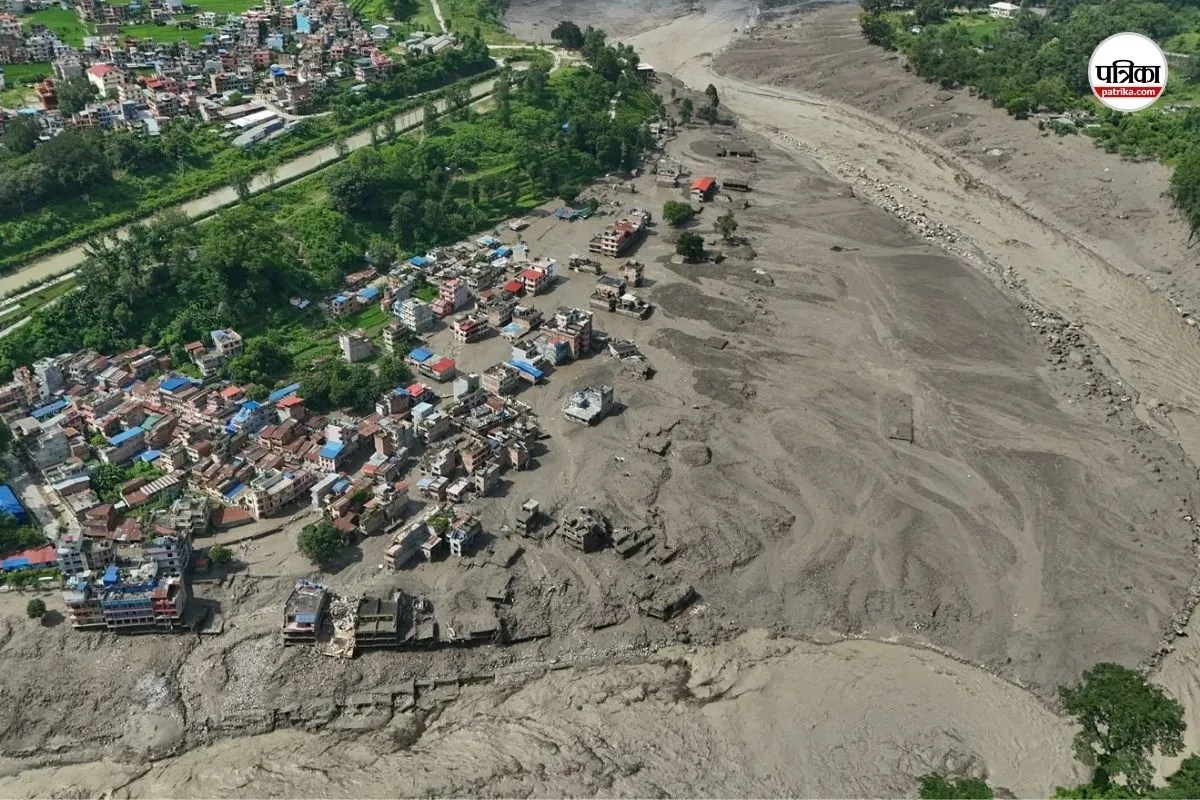
Every monsoon season, the headlines write themselves. Tragic imagery flashes across screens. Pious commentators shake their heads at the wrath of the heavens. Mass burials in Kathmandu and overwhelmed hospital morgues are treated as acts of divine cruelty, unavoidable ecological punishments visited upon an innocent valley.
It is a convenient lie. You might also find this related article insightful: The Nepal Flood Crisis Is Worse Than Anyone Is Reporting.
Nature did not build concrete box culverts over ancient seasonal wetlands. Monsoon rains did not pave over every square inch of natural soil with impermeable asphalt. Weather patterns did not issue commercial building permits for housing developments directly inside active river floodplains. Human planning committees, municipal corruption, and engineering hubris did that.
When the media focuses entirely on the body counts and the immediate emergency response, they obscure the systemic failure that caused the crisis in the first place. They frame a man-made structural disaster as a natural hazard. By calling it an act of God, the planners, developers, and politicians escape accountability. As highlighted in latest articles by Al Jazeera, the implications are significant.
I have walked through municipal drainage planning rooms across South Asia. I have watched local authorities wave away hydrological impact assessments because deep-pocketed developers promised economic growth. The institutional memory of these cities spans about five minutes. Every time the waters rise, everyone acts surprised, as if the monsoon season arrived by express courier without warning.
Let us look at the reality of Kathmandu's geography. The Kathmandu Valley is an ancient lakebed. That means its soil is soft, saturated, and prone to severe subsidence. It relies entirely on a network of natural spillways, stone spouts, and river corridors known as rajkulos to manage runoff. For decades, urban expansion has systematically choked, built over, or paved concrete right through these vital drainage arteries.
When you block the drainage, water goes where gravity tells it to go. It enters homes. It floods ground-floor wards in hospitals. It turns streets into torrents.
The lazy consensus in mainstream reporting points to climate change as the sole culprit. Is the climate shifting? Yes. Are rainfall intensities increasing? Absolutely. But pretending that climate change is the primary driver of urban drowning in Kathmandu ignores the basic mechanics of urban planning. You can double the rainfall, but if you maintain permeable surfaces, preserve wetlands, and enforce building setbacks from riverbanks, you do not get mass casualty floods.
Let us examine the casualty numbers and hospital capacities. When media outlets report that hospitals ran out of space for bodies, they focus on the downstream tragedy of medical triage. They fail to ask why a major regional medical center was built on low-lying ground without baseline flood defense walls. They fail to ask why disaster management protocols in the capital city treat mass fatalities as a logistical surprise rather than a predictable outcome of chronic municipal neglect.
Imagine a scenario where a corporate CEO ignored every safety regulation, disabled the fire alarms, locked the emergency exits, and then blamed the resulting factory fire on spontaneous combustion. That is precisely how municipal authorities treat monsoon flooding.
To break this cycle, we have to dismantle three dangerous myths that dominate disaster management conversations in the region.
The Myth Of Unprecedented Weather
Every single year, officials claim the rainfall was "unprecedented" or "historic." This is statistical gaslighting. Precipitation data across the Hindu Kush Himalayan region shows clear, cyclical patterns of heavy monsoon bursts. Weather events are not becoming unpredictable; municipal preparation is consistently nonexistent. When meteorologists issue red alerts days in advance, local governments respond with reactive panic instead of proactive evacuation and asset protection.
The Myth Of High Density Necessity
Urban planners love to argue that Kathmandu has no choice but to build densely, covering every open square meter because of geographic constraints. This is false economy. High density without green infrastructure is just vertical slums waiting to wash away. Singapore, Tokyo, and even regional peers dealing with intense tropical storms manage stormwater through aggressive retention ponds, subterranean cisterns, and strict zoning that treats parks as working infrastructure rather than luxury amenities.
The Myth Of Relief Over Prevention
International aid flows freely after the disaster hits. Tents, blankets, body bags, and emergency rations make for great photo-ops and satisfy the global conscience. Yet, funding for mundane, unsexy civil engineering—like dredging rivers, clearing clogged drainage tunnels, and enforcing land-use bans—remains perpetually underfunded. Donors love to cure symptoms because prevention requires political blood, sweat, and the courage to demolish illegal structures built by politically connected developers.
If you want to fix Kathmandu's flooding, stop talking about crisis management. Start talking about demolition.
The city needs an immediate, aggressive audit of every single structure built within thirty meters of a natural waterway. If a building violates the setback laws, it needs to come down, regardless of who owns the title deed. Property rights that endanger public safety are a legal fiction that kills people.
Furthermore, urban drainage must be treated as critical national security infrastructure. Right now, storm drains are treated as convenient dumping grounds for municipal solid waste. Plastic bags, construction debris, and industrial runoff clog the system until the first major downpour turns the pipes into pressurized hoses that blow manhole covers into the air.
Until local leadership stops apologizing for developers and starts treating hydrology with the respect it demands, more people will die in hospital basements, more families will bury their loved ones in hastily dug plots, and the media will run the exact same sympathetic, empty headlines next year.
Stop praying for the monsoon to go easy. Fix the concrete cage you built.