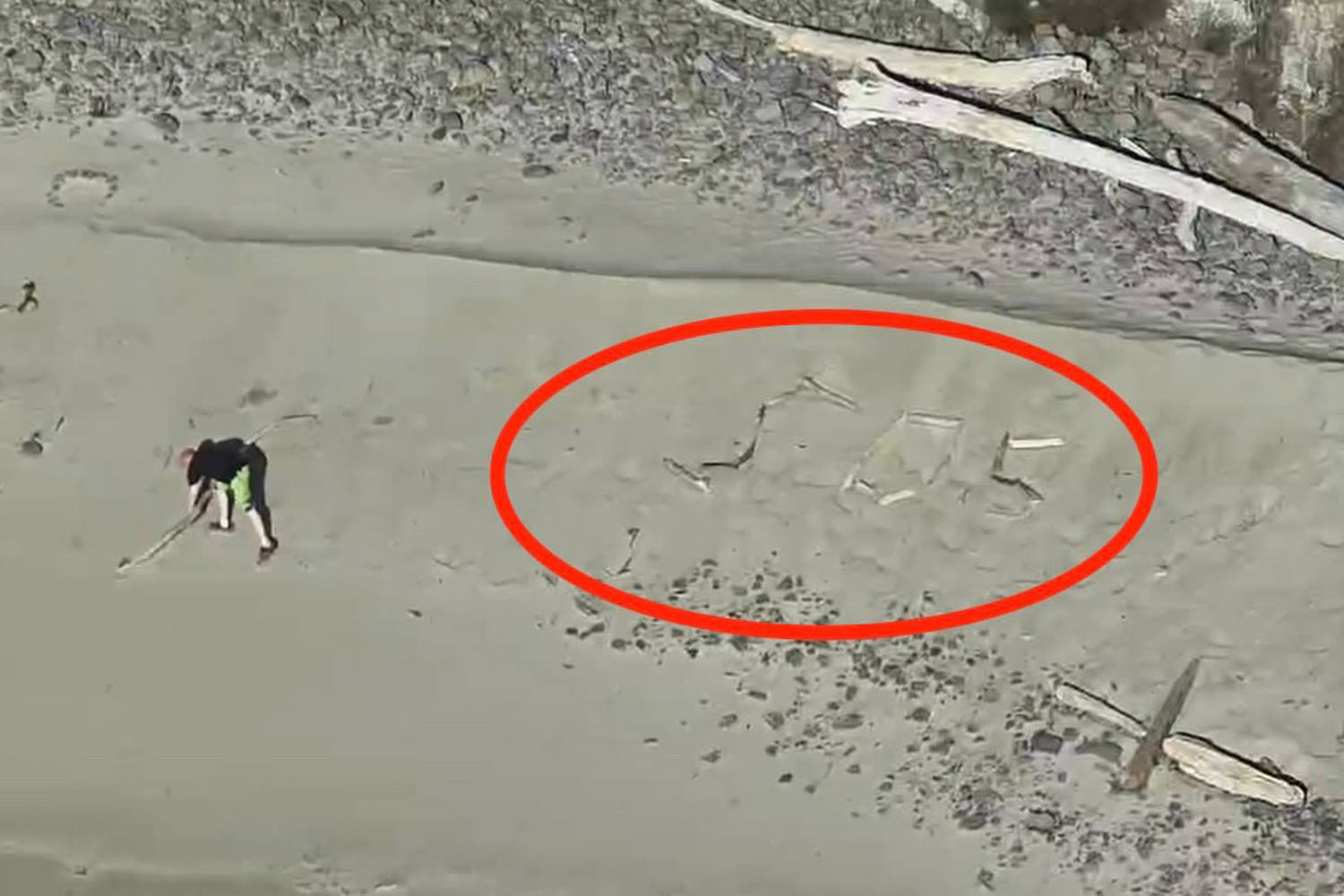
Every time a headline drops about tourists getting trapped by the Pacific tide on a remote Oregon beach, the internet throws a collective tantrum. You know the drill. Armchair experts on social media foam at the mouth about urbanites who cannot read a tide table, demanding harsher fines, bigger warning signs, and more Coast Guard helicopters to bail out the clueless.
It is a comforting narrative. It lets us feel superior from the safety of our ergonomic desk chairs. It is also completely wrong.
The lazy consensus blames human stupidity. The nuance we keep missing is that our entire coastal safety infrastructure is built on a dangerous lie: the illusion that a wooden sign or a laminated brochure can substitute for wild geography. We have engineered our public messaging around hazard aversion, but we have failed at hazard literacy.
I have spent two decades analyzing visitor management and outdoor recreation psychology in high-risk coastal corridors. I have watched municipal governments dump millions into flashing LED boards while ignoring the brutal physics of shoreline topography. We treat nature like a theme park ride with bad operators, expecting a neat barrier to keep people from tumbling off the edge.
When visitors spell SOS with driftwood on an isolated stretch of sand after being cut off by the rising surf, the public points fingers at the victims. They call it recklessness. I call it a predictable systemic failure of our information architecture.
The Myth of the Accessible Wilderness
Oregon’s coastline is a geological trap by design. Unlike the gentle, shallow shelving beaches of the Atlantic Seaboard, the Pacific Northwest continental margin drops off sharply. Headlands jut into the surf, creating pocket beaches that vanish entirely when the water hits high tide.
When a visitor checks a generic weather app or a standard tide chart for a broad regional zone, they are looking at a useless abstraction. Tides do not rise uniformly across a jagged coastline punctuated by sea stacks, rocky points, and river mouths. Local bathymetry alters wave refraction. Wind velocity and barometric pressure shove storm surges ashore hours ahead of schedule.
Yet, we hand tourists a map that treats the ocean like a swimming pool with a scheduled closing time. Then, when the inevitable happens—when a couple wanders around a scenic point during an ebbing tide, loses track of time, and finds their exit route swallowed by freezing surf—we act shocked.
We act as though the ocean broke the rules. The ocean followed physics. Our messaging broke.
Let us look at the common defense offered by tourism boards: more signage. Put a billboard at every trailhead. Slap a giant red warning across the parking lot asphalt.
This is security theater. Behavioral psychology tells us that warning fatigue sets in almost instantly when signs are ubiquitous and generic. If every cliffside path has a sign screaming about death and peril, the human brain stops processing the specific threat. The sign becomes part of the scenery, as invisible as a speed limit sign on a deserted highway.
Why Generic Warnings Fail
The standard questions people ask online reveal a total misunderstanding of how risk operates in remote environments.
"Why don't they just check the tide tables?"
Because a table tells you when high tide occurs at a standardized buoy miles away, not when water fills a specific narrow gut between a cliff and the breaker zone thirty feet from where you are standing.
"Why don't they close the beaches?"
Because you cannot fence off four hundred miles of rugged coastline without turning a public commons into a police state, nor can you legislate away the primal human drive to explore wild spaces.
The failure mode here is not a lack of warning; it is a lack of tactile education. People do not understand how fast water moves when it is backed by an open ocean fetch. A foot of rising water on a flat sand flat looks harmless until it hits a rocky bottleneck and turns into a five-knot current that can knock an adult off their feet.
If we want to stop rescue crews from pulling soaked, terrified people off driftwood piles, we have to stop treating visitors like idiots and start treating them like students who need a masterclass in reading terrain.
The Unconventional Blueprint For Coastal Survival
If you are heading to the Pacific Northwest coast, or any high-risk marine environment, throw out the standard playbook. Here is what actually keeps you alive.
First, stop looking at the high tide time and start calculating the pinch points. Before you walk around any headland or explore a remote cove, identify the exact spot where the water will meet the rock face. If that clearance looks tight with two hours left before the peak, turn around immediately. The ocean does not wait for you to finish your photo session.
Second, respect the micro-topography. Local topography dictates wave behavior far more than regional forecasts. A pocket beach with a narrow exit corridor is a literal mousetrap. If the tide is coming in and the wind is pushing onshore, you do not have a margin of error.
Third, ditch the smartphone reliance. Cell towers do not reach the bottom of coastal cliffs. If you are depending on an app to alert you to changing conditions while you are out of signal range, you are already banking on a rescue.
The next time a headline blares about stranded beachgoers, resist the urge to join the chorus of condemnation. Look past the sensationalism and recognize the symptom for what it is: a collision between human curiosity and an information system that refuses to tell the unvarnished truth about wild places.
Nature