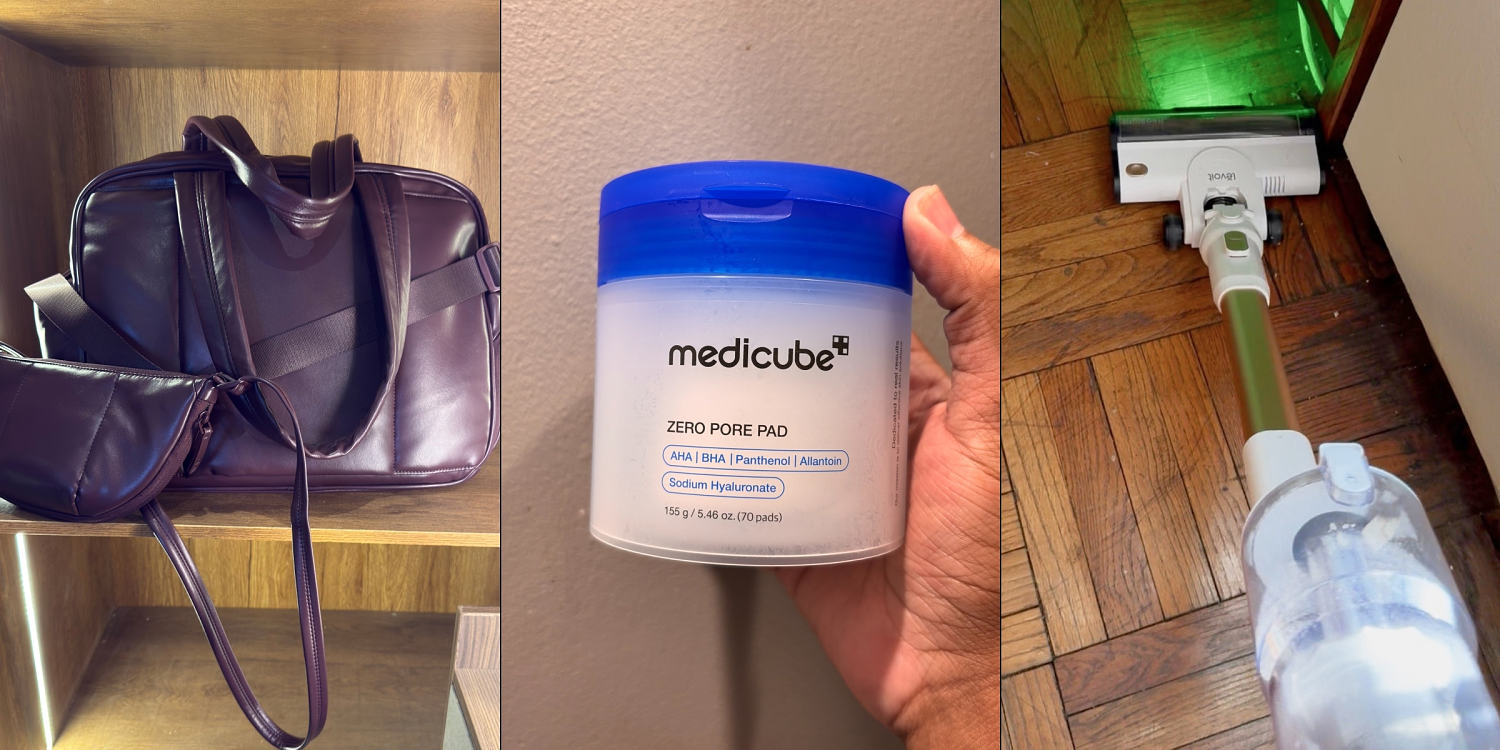
Every September, digital media turns into a digital garage sale. Staff writers at major lifestyle publications dust off their keyboards, corral their Amazon affiliate links, and publish lists of everything their shopping experts allegedly tested and loved enough to own. It is a predictable parade of impulse purchases, sleek kitchen gadgets nobody uses twice, and overpriced woolen socks packaged as life-altering revelations.
I have watched this machinery operate from the inside for over a decade. I have seen the editorial meetings where products are chosen not because they solve a human problem, but because their affiliate commission rate sits north of eight percent.
The lazy consensus is that if a product has four and a half stars and a sleek brushed-metal finish, you need it in your life before the leaves turn orange. That premise is garbage.
Most of what lifestyle sites tell you to buy in September is designed for a life you do not live. You do not need a smart-controlled ceramic mug that keeps your coffee at precisely one hundred and thirty-five degrees for forty-five minutes. You need to drink your coffee faster, or accept that cold coffee is a natural consequence of having a demanding job.
Let us dismantle the mythology of the monthly editor haul.
The Affiliate Marketing Illusion
Here is how the sausage gets made. A large publisher sets a monthly revenue target for its commerce team. The editors look at historical conversion data. They know that September triggers a psychological reset in consumers. People feel the urge to nest, to buy sweaters, to organize their pantries, and to prepare for winter hibernation.
So, they reverse-engineer a shopping list.
They do not start with a problem and find the best tool to fix it. They start with commission structures, seasonal search volume, and product availability. Then they invent the narrative around it. "We tested twenty-four smart water bottles and this one changed our morning routine." No, it did not. It sat on a desk for three days while an intern took lifestyle photos next to a succulent, and then it went into a closet.
When you buy into this cycle, you are not curating your life. You are outsourcing your taste to a nameless middleman who gets paid every time you click a tracking link.
The Fallacy of the Daily Upgrade
The core argument of every September shopping roundup is that your current possessions are secretly failing you. Your throw pillows lack texture. Your knives are dull. Your desk setup lacks the ergonomic zen of a Silicon Valley founder.
This is planned obsolescence of the mind.
Take kitchen knives, a staple of every autumn gear roundup. Publications love to recommend hundred-dollar chef knives with forged German steel and ergonomic synthetic handles. They write breathless paragraphs about balance and edge retention.
Here is what they will not tell you: a fifty-dollar Victorinox fiber-fibrox knife outperforms most boutique knives costing three times as much, provided you know how to use a ceramic honing steel. But you cannot make a ten percent commission on a twenty-year-old commercial kitchen standard that sells itself. You have to push the aesthetic objects that photograph well on Instagram.
The pursuit of the aesthetic upgrade creates a permanent state of low-grade dissatisfaction. You buy the curated item, the dopamine spike lasts approximately four days, and then you notice the next product on the list.
What Real Quality Actually Looks Like
If you want to break out of this cycle, you have to redefine what makes an object worth keeping. Real quality is invisible. It does not demand to be photographed. It does not come with an app or an LED indicator light.
True durability shares three distinct traits.
First, it has zero moving parts that require firmware updates. If an object needs a software patch to function as a toaster, it is not a better toaster. It is a computer masquerading as a kitchen appliance, and it will be in a landfill by 2029.
Second, it improves with wear. A genuine leather wallet, a cast-iron skillet, a heavy wool coat—these items look better and perform better after they have absorbed the friction of your actual life. Contrast this with the typical lifestyle site recommendation: a trendy matte-plastic gadget that scratches if you look at it wrong and looks dated by next spring.
Third, it is boring. The best things you can own are usually the ones you never have to think about. They do their job quietly, year after year, without demanding an audience.
The September Audit
Do not buy a single thing this month until you conduct a brutal audit of your physical space. Walk through your apartment or house and look at every object you purchased online because an expert told you it was a game-changer.
If you have not touched it in thirty days, put it in a box. If you miss it by November, bring it back. If you do not even notice it is gone, donate it.
That exercise will cure you of the impulse to click "add to cart" on the next curated lifestyle list you stumble across.
Stop funding the conversion funnel. Stop letting strangers on the internet decide what your autumn looks like. Buy less, buy heavier, and keep your money.