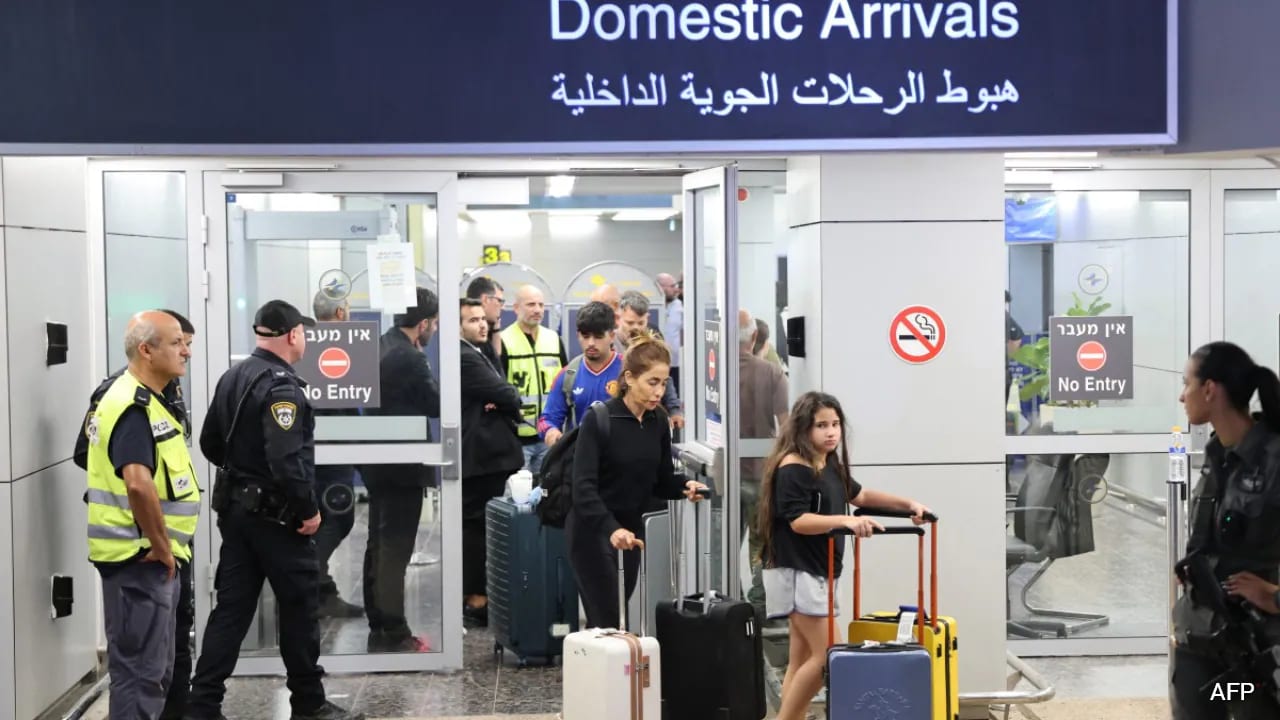
Every time a commercial flight touches down after an emergency, the media machinery spins up the same tired script. A captain lands a bird with a blown tire or navigates a turbulent geopolitical airspace, and suddenly we are plastering capes on guys wearing three gold stripes. They get hailed as national heroes, paraded in front of microphones, and asked to describe how it felt to stare danger in the face.
It is time to kill this narrative.
When a FlyDubai pilot steers an aircraft through a compromised corridor or manages an airborne crisis, they are not performing acts of self-sacrificing altruism. They are executing the exact tasks listed on page four of their operations manual, backed by millions of dollars in recurrent simulator training, automated flight management systems, and decades of international aviation safety research.
Calling a professional airline pilot a national hero for landing a plane safely is like calling a surgeon a hero for successfully removing an appendix. It diminishes the actual mechanics of competence and replaces rigorous risk management with emotional theater.
The Problem With Manufactured Valor
Let us look at how the media frames these incidents. Headlines scream about miraculous saves, split-second decisions, and death-defying heroics. This framing implies that aviation is a wing-and-a-prayer endeavor where daily survival depends entirely on an individual captain summoning a burst of inner grit.
That is nonsense. Modern commercial aviation is built on the complete opposite philosophy: eliminating individual heroism entirely.
If a flight deck depends on a captain being a hero to save the day, the safety system has already failed. The entire architecture of modern flight operations, from Cockpit Resource Management to automated envelope protection, is engineered to remove lone-wolf heroics from the equation. When a pilot starts improvising based on gut feeling rather than standard operating procedures, aircraft start crashing.
When media outlets crown a pilot a national hero, they feed a dangerous public misconception that flying is inherently chaotic and that safe outcomes are personal miracles rather than systemic inevitabilities.
The Boring Reality of Risk Management
I have spent enough time inside airline training centers and talking to chief safety officers to know that the best pilots are the least dramatic people on Earth. They do not want to be heroes. They want to be bored.
A boring flight is a successful flight. When an unexpected threat materializes—whether it is a mechanical failure or external regional turbulence—a competent flight crew does not panic and channel John Wayne. They run checklists. They isolate systems. They communicate with dispatch. They rely on multi-crew coordination designed to catch human cognitive errors before they compound.
The FlyDubai incident that triggered this latest round of breathless hero worship followed a well-documented trajectory. Threat identification, procedural application, resource sharing, execution. It was high-stress, yes. The environment was hostile. But treating standard crisis management as an extraordinary mythic journey obscures what actually keeps passengers alive.
We do not need more romantic stories about steely-eyed captains fighting the elements. We need better understanding of the boring, unsexy layers of redundancy that made that safe landing statistically likely long before the plane left the gate.
Why We Crave the Myth
Human psychology hates randomness and cold statistics. We prefer narrative.
If an aircraft lands safely because of millions of lines of software code, redundant hydraulic loops, stringent regulatory oversight, and a multi-billion-dollar global infrastructure, there is no one person to thank. You cannot put a software patch on a magazine cover. You cannot pin a medal on a redundancy checklist.
So the public invists a hero. We need a face to attach to relief. We want to believe that when things go sideways, an exceptional human being steps up to conquer the chaos.
This craving creates perverse incentives. It encourages pilots to lean into the mythology. It glamorizes individual bravado over strict procedural adherence. In high-stress moments, the pilot who thinks they are starring in an action movie is the most dangerous person in the cockpit.
Dismantling the Hero Industrial Complex
Let us be entirely practical. What happens when we elevate pilots to hero status for doing their jobs?
First, we create an unrealistic cultural expectation. When an investigation into an incident reveals minor procedural deviations by a "hero" captain, regulatory bodies and public opinion often hesitate to hold them accountable because the narrative momentum is too strong. Accountability gets sacrificed on the altar of good PR.
Second, it devalues the thousands of behind-the-scenes professionals who actually ensure flight safety. Where are the headlines for the maintenance technician who caught a hairline fracture in a compressor blade during a midnight shift in Dubai? Where is the ticker tape parade for the air traffic controller vectoring fifty aircraft through a congested sector during a weather cell? Where is the profile on the aerospace engineers who ran finite element analysis on the wing spars?
They do not get praised because they are not up front wearing epaulets. They are sitting in windowless rooms doing tedious, precise math.
The Uncomfortable Truth About Training
Ask any veteran training captain what they look for in a cadet. They do not look for mavericks. They look for compliance, humility, and emotional regulation.
The selection processes at major carriers are specifically designed to weed out people who want to be heroes. If you score high on the "I want to save the day" personality metrics, you fail the psychological screening. Airlines want analytical processors who treat an emergency as an engineering problem to be solved systematically, not a cinematic test of character.
When a pilot successfully manages an attack or an emergency, they are simply demonstrating that the screening works, the training works, and the system works.
Stop The Applause
The next time an airline crew brings a damaged plane down on a tarmac, feel free to feel relief. Be glad you bought a ticket on an airline that invests heavily in simulator hours and safety culture.
But keep your medals in your pocket.
Do not call them heroes. Call them professionals. In a world increasingly driven by vibes and viral narratives, competence is the rarest commodity we have. Stop cheapening it with Hollywood scripts.