Twenty years is a long time to run an experiment without looking at the data.
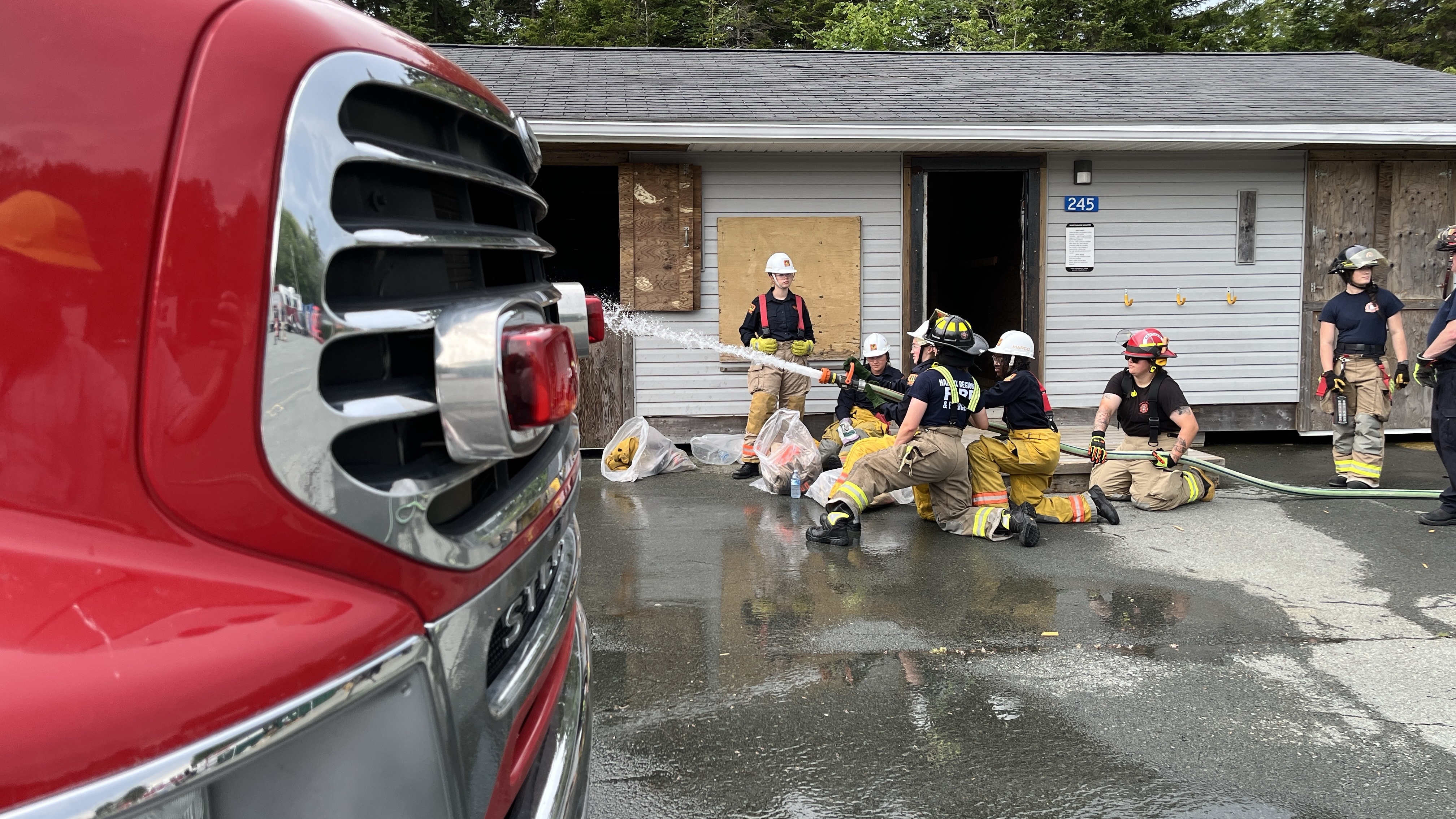
Halifax recently celebrated two decades of Camp Courage, an initiative designed to introduce young women and gender-diverse individuals to careers as paramedics, firefighters, and police officers. The local media covered it with the usual warm-and-fuzzy tone. Photogenic shots of teenagers hauling fire hoses. Quotes about empowerment. Applauding the longevity of the program.
It feels good. It makes for great public relations.
But it misses the entire point of operational recruitment.
If these pipeline camps were the solution to the diversity crises plaguing emergency services, we would have solved the problem a decade ago. We have not. Municipalities across North America still see female representation in fire departments hovering between 4% and 7%. Policing is not much better, stuck in the mid-teens for operational, front-line roles.
We need to stop treating structural recruitment failures like a youth summer camp problem.
The Broken Conveyor Belt of Awareness Camps
The premise of these programs relies on a fundamental misunderstanding of human behavior and career progression. The logic goes like this: put a 15-year-old in turnout gear for a weekend, and they will apply to the academy at 21.
It is a comforting theory. It is also a massive operational blind spot.
I have watched public sector organizations throw six-figure budgets at awareness campaigns while ignoring the structural meat-grinder that awaits applicants six years later. An informational camp creates temporary excitement in a vacuum. It does nothing to change the brutal realities of the actual application funnel.
Think about what happens after the camp ends.
- The Multi-Year Void: A teenager goes back to high school. Over the next four to six years, the municipal agency provides zero structured mentorship, zero physical preparation tracking, and zero touchpoints.
- The Financial Barrier: The cost of fire academy tuition, paramedic certifications, or policing aptitude tests can run into the thousands. A weekend camp does not pay for a pre-service fire program.
- The Physical Standard Bottleneck: Instead of teaching teenagers how to pass the specific, gruelling physical assessments—like the Candidate Physical Ability Test (CPAT)—camps focus on "trying out" the gear.
We are filling the top of a funnel that has a massive hole in the middle. When only a tiny fraction of camp alumni actually make it onto an active duty roster twenty years later, celebrating the longevity of the camp is celebrating the input while completely ignoring the lack of output.
Dismantling the People Also Ask Mythos
If you look at what people search regarding diversity in emergency services, the questions themselves reveal how deeply embedded the wrong assumptions are.
Do women need specialized training camps to enter first responder roles?
No. The premise itself is quietly insulting. It implies that women lack the inherent drive or capability to look at a career path and pursue it through normal channels without a hand-holding weekend seminar.
What women—and all high-quality candidates—actually need is a transparent, predictable hiring process devoid of arbitrary bureaucratic gatekeeping. They need to know exactly what the physical standard is on day one, and they need access to the facilities to train for it.
Why is female representation still low in fire and policing?
The lazy consensus says it is an "awareness" issue. It is not. Everyone knows firefighters and police officers exist.
The real barrier is an archaic culture and a broken shift-work infrastructure that punishes anyone who wants a family. If a service requires 24-hour shift rotations without providing childcare strategies, or if the station infrastructure still lacks designated, secure locker rooms for female staff, no amount of high school camp promotion will fix the retention crisis. You are recruiting people into a burning house.
Shift the Capital from Propaganda to Preparation
If we want to fix the demographic stagnation in emergency services, we have to kill the feel-good PR projects and replace them with aggressive, targeted operational support.
Imagine a scenario where a municipality takes the entire annual budget allocated for youth awareness camps and converts it into a targeted Physical and Academic Readiness Stipend for serious applicants over the age of 19.
Instead of targeting high schoolers who might change their minds ten times before graduation, you target the women who are already working as fitness trainers, collegiate athletes, or emergency room nurses. People who already possess the baseline resilience and physical capacity for the job.
Here is the blueprint for an operational overhaul that actually moves the needle:
| Focus Area | The Lazy Way (Camps) | The Hard Way (Operational Reality) |
|---|---|---|
| Target Demographic | 15-18 year olds with casual interest. | 20-30 year olds with proven athletic or medical backgrounds. |
| Resource Allocation | Photo-ops, t-shirts, and light gear demonstrations. | Paid CPAT prep clinics, equipment access, and application fee waivers. |
| Culture Fit | Shielding participants from station politics. | Brutally honest look at shift work, trauma exposure, and mental health realities. |
| Success Metric | Number of attendees who smiled. | Number of badge numbers issued on graduation day. |
The Downside of Truth
Adopting this contrarian model means giving up something public relations departments love: easy wins.
It is incredibly easy to get a local news crew to cover a group of smiling kids learning how to use a jaws-of-life tool. It is much harder to defend a policy that says, "We are stopping youth camps to fund intensive, year-round physical training mentorship for 25-year-old female athletes who are three seconds away from passing our physical test."
One option creates a heartwarming headline today. The other changes the actual demographic makeup of your shift crew three years from now.
We have spent twenty years clapping for programs that make us feel like we are making progress while the macro statistics barely budge. Stop investing in the illusion of recruitment. Start funding the mechanics of it.
The era of the awareness camp is over; it is time to build an actual pipeline.