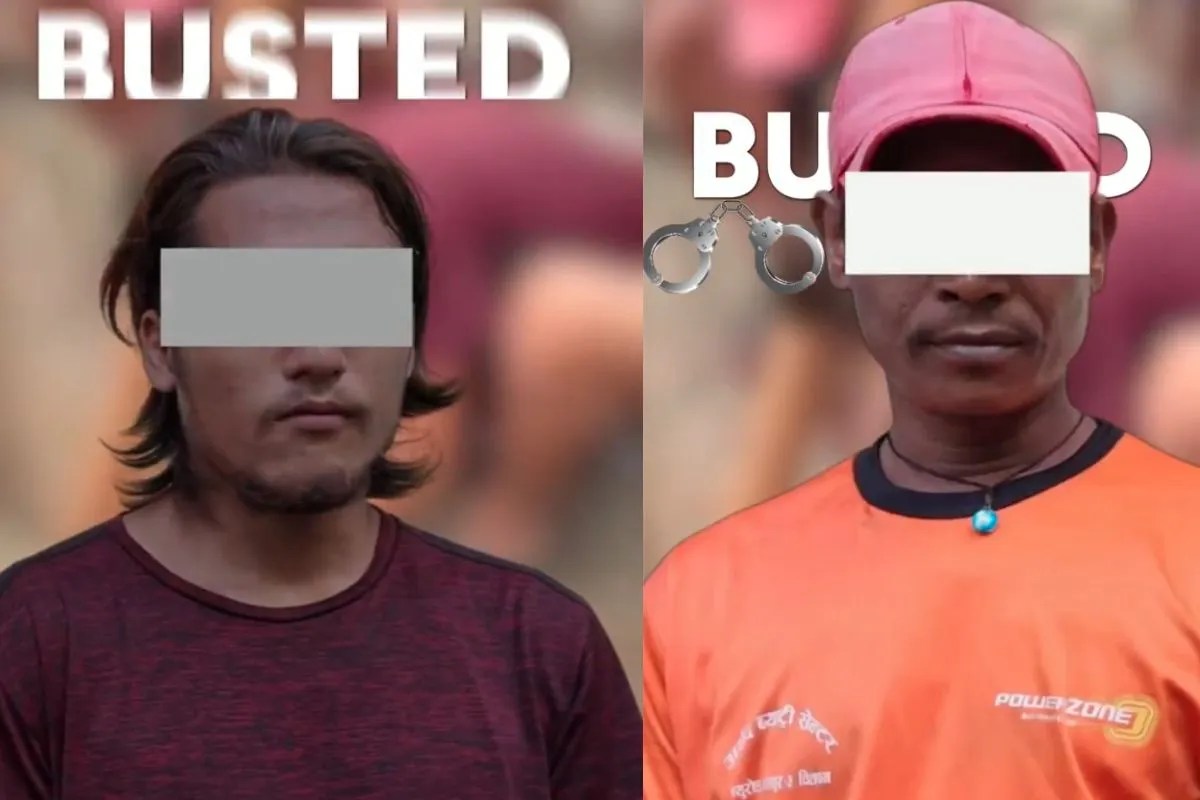
Another viral clip surfaces from a flooded district in Nepal, and the digital mob instantly loses its collective mind. Commentators clutch their pearls, screaming about the death of humanity, moral bankruptcy, and how society has officially bottomed out. A rescue video captures someone ripping gold earrings off the body of a flood victim, and the headlines write themselves: Humanity Shamed. Two people get arrested, the internet breathes a sigh of righteous relief, and everyone goes back to sleep pretending the root problem has been solved.
It is lazy, comforting theater. Recently making headlines in related news: Why White House Construction Created a Dangerous Radio Blind Spot for Marine One.
We act shocked when the veneer cracks during a crisis, as if desperation and opportunism are sudden anomalies rather than the predictable baseline of human behavior under extreme stress. The lazy consensus says this is a moral failure of individuals. The raw, unvarnished truth is that disaster looting is a structural symptom of a system that treats human beings as disposable long before the rivers overflow their banks.
The Comforting Lie of Inherent Morality
Every time a disaster strikes, we run the same tired script. We romanticize resilience, post inspirational quotes, and pretend that solidarity is our default setting. Then someone steals from a corpse, or a store window gets smashed in a blackout, and the collective gasp echoes across social media. More insights on this are explored by USA Today.
This requires a staggering amount of historical and sociological illiteracy.
Order is not a natural state. Order is a thin, expensive, and constantly maintained fiction backed by police forces, surveillance, stable supply chains, and social contracts that guarantee basic survival. When a flood washes away the infrastructure of civilization, it washes away the enforcement mechanisms of that contract. Expecting people to maintain high-minded bourgeois ethics when the floor beneath them has literally dissolved is not idealism; it is a clinical delusion.
I have spent years analyzing emergency response systems and crisis behavior on the ground. When you strip away a person's safety, property rights, and future prospects in under an hour, abstract concepts like dignity and posthumous respect rank very low on the survival hierarchy. Condemning the thief feels good because it allows us to distance ourselves from them. We tell ourselves, I would never do that. But you have never spent three days clinging to a roof with contaminated water licking your ankles while your entire net worth floats past you down the street.
The Economics of Desperation and Decay
Let us look at the data we routinely ignore. In zones of absolute systemic neglect, poverty is not an accidental byproduct; it is the foundation. When a government fails to provide adequate disaster mitigation, early warning systems, or immediate relief, it creates a vacuum. Nature abhors a vacuum, and crisis capitalism fills it instantly.
Look closely at the socioeconomic profile of regions most vulnerable to seasonal flooding in South Asia. These are places where structural inequality leaves marginalized communities entirely on their own when the waters rise. The state is absent during the preparation phase, slow during the rescue phase, and entirely useless during the recovery phase. Yet, the moment a desperate or opportunistic individual breaks the law amidst the chaos, the state suddenly remembers it has an enforcement arm. Two arrests are made, a press release is issued, and the machinery of justice whirs to life just long enough to protect property and optics.
The gold earring in the viral video is a symbol, but not the one the commentators think. It represents the brutal extraction of value in a society that extracts value from the poor every single day. The thief took physical jewelry from a corpse. The institutions that underfunded the levees, ignored zoning laws, and left those communities defenseless take livelihood, future, and safety from the living every single year. One gets you paraded before cameras in handcuffs; the other gets you a government pension or a zoning permit.
Dismantling the Outrage Machine
The outrage cycle surrounding these incidents serves a very specific purpose for those in power. It individualizes systemic failure.
If the problem is just a few bad apples lacking basic human decency, then the government does not need to reform disaster management, upgrade drainage infrastructure, or institute universal basic disaster relief. We just need more cameras, harsher prison sentences, and a louder moral police. It shifts the burden of ethics entirely onto the individual while absolving the state of its absolute failure to protect its citizens.
Stop buying the narrative that human nature is fundamentally broken by a flood. Human nature simply adapts to the environment it is given. If you build a society based on scarcity, abandonment, and cutthroat survival, do not act surprised when people behave like they are in a war zone once the storm hits.
The next time a viral video of disaster misconduct triggers your righteous indignation, resist the urge to type out a lazy cliché about the death of humanity. Look past the sensationalized crime and look at the apparatus that allowed the disaster to obliterate those lives in the first place. Fix the system that makes desperation a rational strategy, and you will stop needing to arrest people for picking through the wreckage.