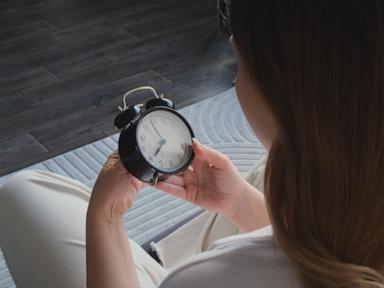
The masses are currently obsessed with a triviality: the biannual ritual of adjusting clocks. Every spring and autumn, the same tired narrative resurfaces. Pundits and self-appointed sleep experts howl about the "devastating" health impacts of losing an hour of sleep, citing surges in heart attacks, traffic accidents, and workplace blunders [1.1.1, 1.4.1]. They act as if a sixty-minute shift is an apocalyptic event that shatters the human machine.
It is a comfortable lie. It allows you to blame a government policy for your chronic, self-inflicted inability to function.
I have sat in boardrooms where executives blamed a "dip in output" on the post-DST transition week. It is a convenient excuse for weak leadership and a lack of institutional discipline. If your workforce is so fragile that a one-hour clock shift destroys their productivity, you do not have a time-zone problem. You have a culture problem. You are managing people who are already sleep-deprived, poorly motivated, and disconnected from the rhythms of the sun.
The prevailing argument—that we must abolish Daylight Saving Time (DST) to "protect our health"—is a classic case of attacking the symptom while ignoring the disease [1.3.1, 1.3.2].
The Circadian Fallacy
Let us be precise about the biology. Your circadian rhythm is not governed by the clock on your wall [1.4.1]. It is governed by light exposure, temperature, and feeding schedules [1.3.2, 1.4.1]. When you moan about "jet lag" from DST, you are really admitting that you live in a light-controlled box, disconnected from the environment. You ignore the sun, stay glued to blue-light-emitting screens until midnight, and then wonder why your internal clock fails to calibrate [1.3.2].
Imagine a scenario where the government mandates a permanent time—either Standard or Daylight. Do you honestly think the fatigue epidemic will vanish? Humans have spent centuries adapting to seasonal light variations. The "crisis" of a one-hour jump is a modern construction built by people who have lost the ability to manage their own biology.
The data regarding heart attacks and accidents around the time shift is real, but it is also frequently misinterpreted [1.1.2, 1.4.1]. These spikes occur because we are already running on a deficit [1.4.2]. We are a society that wears chronic exhaustion as a badge of honor. To suggest that ending the time switch will fix our health is like putting a band-aid on a gunshot wound and expecting the patient to run a marathon.
The Economic Delusion
Proponents of ending the switch often point to "energy savings" or "business productivity" as the North Star [1.3.1, 1.4.2]. This is fiscal theater. The energy savings from shifting daylight are statistically microscopic—a fraction of a percent that fluctuates based on how we use air conditioning and heating [1.1.2, 1.4.2].
If you want to move the needle on productivity, stop focusing on the clock. Focus on output. The obsession with a rigid "9 to 5" is the real enemy. Why do we cling to a schedule designed for factory workers in the nineteenth century while operating in a digital economy? The insistence on synchronized, clock-based attendance is the true productivity killer, not the start or end of DST.
The Contrarian Truth
The most radical, effective approach is not to force a federal law that eliminates the time change. It is to stop being a slave to the clock entirely.
If you are a business owner or a manager, stop tracking hours and start tracking value. If you are an individual, reclaim your autonomy. If the transition to DST affects your sleep, adjust your exposure to morning sunlight a week prior. It is basic biology. Your body is capable of rapid adaptation if you stop fighting it with caffeine and artificial light.
We don't need a law to fix our health. We need a society that stops looking for a legislative solution to a personal discipline issue.
Those calling for the end of the time change are simply looking for a scapegoat. They want to believe that if we just hold the clocks steady, everything else will magically fall into place. It won't. You will still be tired. You will still be distracted. You will still be looking for someone else to blame for your lack of focus.
Stop waiting for a bill to pass. Start mastering your environment. Your clock is a tool, not a master. If it bothers you that much, throw it in the trash and learn to track the sun. Otherwise, quiet down and get to work.
New Research Suggests It's Time to Stop Changing the Clocks
This video provides a summary of the common, mainstream arguments regarding the health and productivity impacts of the biannual time change.
http://googleusercontent.com/youtube_content/1