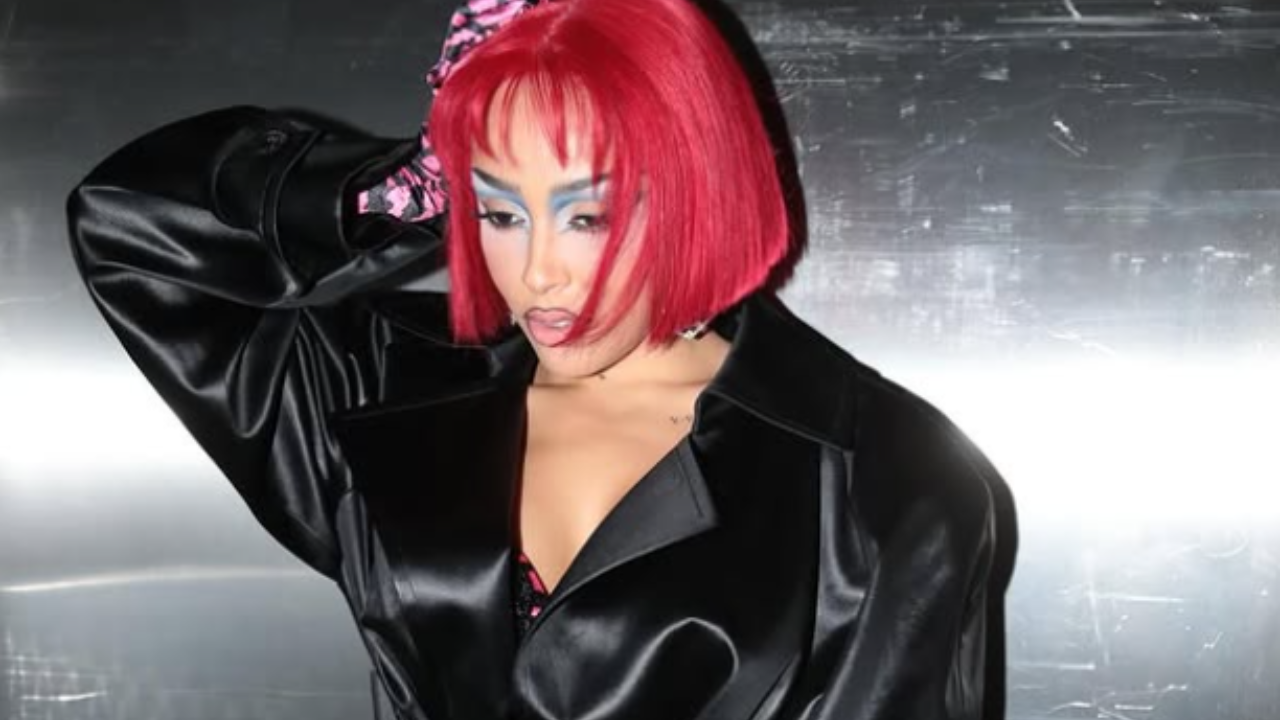
The internet lost its collective mind over a clip of a multi-platinum pop star dismissing chat trolls on a live broadcast. A viewer asked if she was logging hours for fun or trying to clear mandatory platform targets. Her snappy reply went viral across every aggregator blog on the web: if she had targets, her aesthetic setup would not be so elaborate, and she would just roll out of bed in sweatpants.
The media narrative swallowed it whole. Outlets fawned over her authenticity. They painted her casual drop-ins as pure, unadulterated passion projects from an artist too wealthy and famous to care about metrics. Building on this theme, you can also read: Anatomy of an Anomaly Evaluating the Economics and Mechanics of the World's Ugliest Dog Contest.
It is a comforting fairy tale. It is also entirely naive.
When hyper-visible superstars step into the digital broadcasting ecosystem, they are not operating as innocent hobbyists playing video games in their pajamas. They are executing masterclasses in modern attention arbitrage. Dismissing performance targets as beneath them ignores how modern media ecosystems actually function. Analysts at Variety have provided expertise on this situation.
The Myth of the Casual Creator
The lazy consensus in tech and entertainment commentary treats famous musicians, actors, and athletes as anomalies in the attention economy. The standard script claims that because they already possess multi-million dollar revenue streams from their primary trades, every secondary platform appearance must be a spontaneous whim.
That logic collapses under basic scrutiny.
Imagine a scenario where a global touring act decides to broadcast gameplay or casual studio sessions to thousands of concurrent viewers. Even without a traditional platform contract or brand sponsorship payout, the economic value of direct, unmediated distribution is astronomical. Traditional public relations costs millions. Organic reach on legacy social networks is throttled to a crawl. A live video feed offering direct access to an idol creates a continuous feedback loop that algorithms reward with priority placement.
The artist claims she would wear sweatpants if she had quotas. That is a brilliant deflection. It frames the aesthetic effort—the cute room, the curated outfits—as proof of leisure. In reality, high-end production value is the baseline requirement for premium digital real estate. High-net-worth creators do not drop production standards; they scale them to match their brand equity. A polished broadcast environment is not evidence of a lack of targets. It is evidence of brand protection.
Attention Is the Only Currency That Matters
Let us look at the mechanics. Why do chart-topping musicians spend hours interacting with random chat rooms when they could be resting or writing hits?
Because the attention economy operates on frequency and parasocial proximity. Music consumption has shifted from album loyalty to single-track streaming churn. Fans do not just want tracks; they want total immersion in the artist's persona. Live broadcasting provides a direct pipeline to the most dedicated segment of a fanbase. It converts casual listeners into high-value superfans who buy merch, attend arena tours, and drive social media discourse.
When a celebrity jumps on a broadcast platform, they are not escaping work. They are diversifying their distribution channels. The metrics do not have to be labeled as a formal corporate quota to function as rigid performance goals. If average concurrent viewership drops, if engagement stutters, or if social clip generation halts, the invisible quota has been missed.
The idea that someone with global reach treats a major broadcast channel as a casual diary entry ignores the fundamental reality of modern image management. Every word, every reaction, and every viral clip is stress-tested against public perception.
The Uncomfortable Truth About Platform Tourism
There is a distinct tension whenever mainstream celebrities cross over into native digital spaces. Native creators spend years grinding through algorithm updates, burnout, and audience churn to build a living. When a celebrity drops in for a casual session, treats it as a playground, and receives universal adulation for simply showing up, it distorts the economics of the platform.
Yet, native creators rarely call out the imbalance because the celebrity influx brings fresh eyeballs to the ecosystem. It lifts all boats temporarily. But it also normalizes a false dichotomy: that professional creators care about numbers while casual celebrities care only about art.
That is backwards. The professional creator often has a genuine passion for community building, while the celebrity often uses the platform as a high-efficiency marketing funnel disguised as a hangout.
Stop buying the organic myth. The elaborate room, the curated aesthetic, and the snappy comebacks are not proof of casual indifference. They are the calculated hallmarks of an elite operation running a masterclass in modern retention.