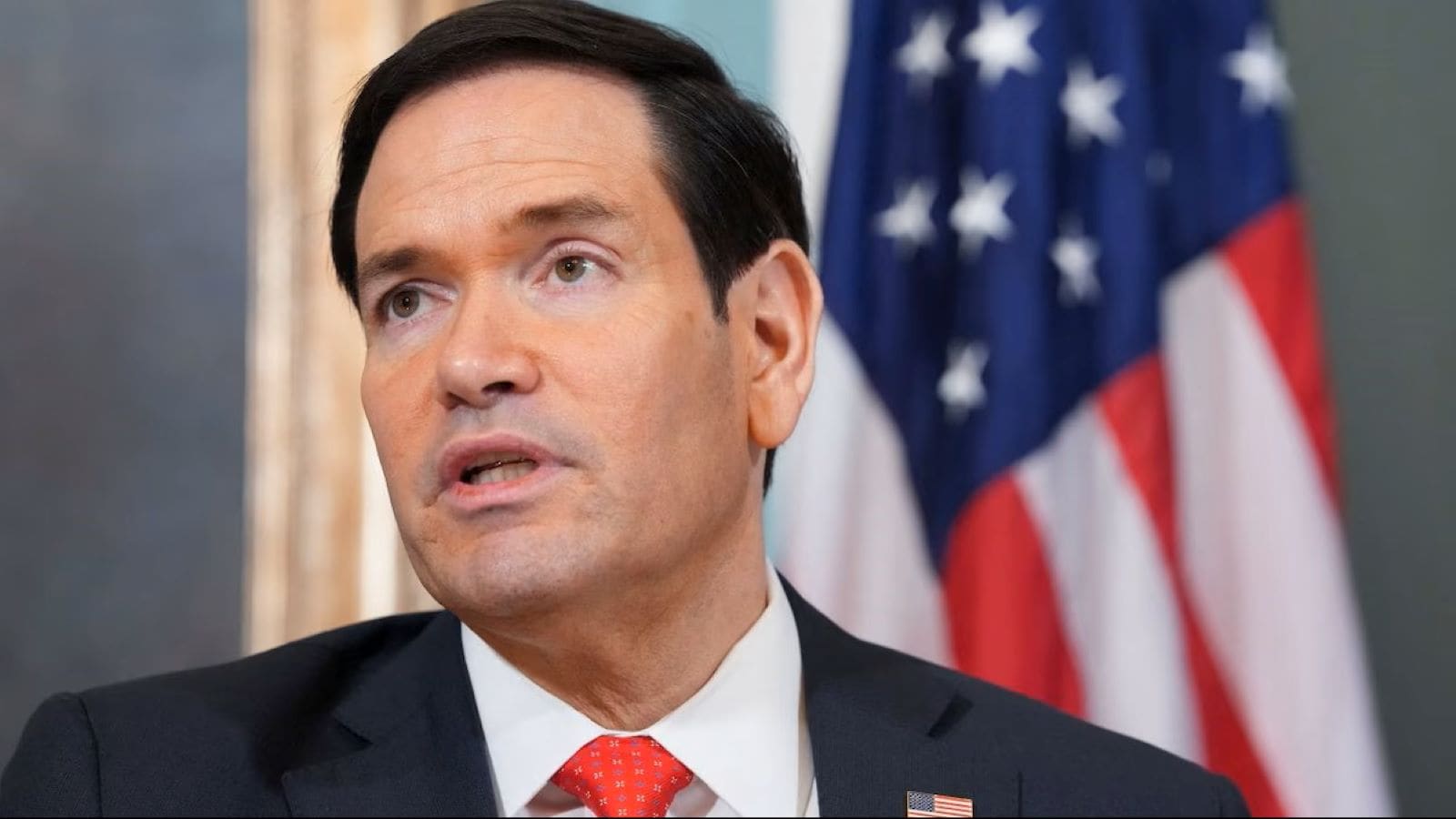
The ink on the headlines regarding the ambassador's son had barely dried before the predictable machinery of outrage spun into high gear. Pundits rushed to microphones, microphones rushed to politicians, and a familiar, exhausted script was broadcasted to the world. A high-profile casualty in the occupied West Bank is treated as an earthquake, a sudden rupture in an otherwise manageable status quo. That framing is a lie. It is a comforting fiction designed to shield observers from a brutal truth. The incident was not an anomaly. It was the predictable, mathematical output of a system built on perpetual friction, unyielding occupation, and an illusion of security that exists only in diplomatic cables.
When violence touches the inner circle of elite power, the global media reacts with shock. Suddenly, the abstract statistics of daily conflict are humanized because a victim shares a surname with a diplomat. This caste system of empathy is morally bankrupt. Every single day, nameless individuals endure the grinding machinery of checkpoints, administrative detention, and low-intensity skirmishes. Yet, the mainstream narrative only wakes up when a pedigree is punctured. We need to strip away this hypocrisy and examine why elite proximity to violence triggers institutional panic while civilian suffering is filed away as background noise.
The Myth of the Protected VIP Bubble
For decades, foreign policy establishments have operated on a shared delusion. The assumption goes like this: if you hold a specific diplomatic passport, work for a recognized embassy, or maintain the right familial connections, you inhabit a gilded exemption zone. You can walk through volatile terrain, sip espresso in contested territory, and assume that local actors will respect an invisible diplomatic firewall.
That assumption ignores basic mechanics of asymmetric friction. When a territory is choked by razor wire, military patrols, and competing claims of sovereignty, civil order decays into a zero-sum struggle. In that environment, a diplomatic badge does not emit a force field. It is paper.
I have watched career diplomats and foreign observers wander through operational flashpoints with a staggering lack of spatial awareness, entirely insulated by their own institutional hubris. They believe their titles afford them immunity from the atmospheric pressure of decades of unresolved conflict. When reality breaches that bubble—as it inevitably does—the response is sheer disbelief. Why were they targeted? How could this happen in a secured corridor?
The answer is simple. To a population living under indefinite military administration, distinctions between ambassadors, tourists, soldiers, and settlers dissolve into a single landscape of occupation. The diplomatic corps refuses to acknowledge this because doing so would require admitting that their physical presence is part of the friction they claim to mediate.
Security Theater and the Illusion of Control
Governments love security theater because it looks productive on television. Billions of dollars flow into reinforced vehicles, intelligence briefings, perimeter alarms, and armed escorts. Security agencies issue threat assessments that read like weather reports, predicting storms with mathematical precision while doing nothing to stop the climate change causing them.
The ramming attack that hospitalized the ambassador's son exposed the fundamental bankruptcy of this approach. You cannot armor-plate your way out of a structural failure. When an entire region is compressed into a pressure cooker with no political escape valve, physical barriers become speed bumps.
State security apparatuses sell the public a dangerous narrative: that safety is merely a matter of better intelligence, thicker glass, and faster response times. This is marketing, not strategy. It allows military planners and politicians to project competence without addressing root causes. Every time a high-profile security breach occurs, the knee-jerk reaction is to double down on the very tactics that provoked the hostility in the first place. More checkpoints. More restricted roads. More surveillance towers. It is the administrative equivalent of throwing gasoline on a grease fire and wondering why the flames grow taller.
The Weaponization of Elite Tragedy
We must also confront how political actors exploit incidents involving elite families. Tragedy is currency in international relations. When a regular citizen is maimed or killed in the West Bank, the event is swallowed by the statistical noise of daily reports. A brief mention in a human rights digest, a quiet condolence note, and the news cycle moves on.
When the victim bears a diplomatic pedigree, the calculus shifts instantly. The event is weaponized. It becomes a diplomatic flashpoint, a justification for retaliatory policy shifts, a fundraising hook for security contractors, and a moral bludgeon used to demand international sympathy while silencing systemic critique.
This dynamic creates a perverse incentive structure. It signals that certain lives carry higher diplomatic utility when harmed than when protected. Politicians seize upon the shock value to freeze peace initiatives, expand enforcement powers, and entrench the very polarization that makes daily life intolerable for everyone on the ground. By treating the ambassador's son as a special class of victim, the international community implicitly validates the hierarchy of human worth that fuels the conflict itself.
Dismantling the Diplomatic Blindspot
If we are going to talk honestly about security in the West Bank, we have to start by throwing out the playbook written by people who view the region through bulletproof windows.
First, stop confusing diplomatic status with operational safety. Anyone moving through an active occupation zone is subject to the ambient hostility generated by that occupation. Pretending otherwise is professional negligence.
Second, reject the media's framing of high-profile incidents as sudden crises. They are symptoms of a chronic, unaddressed condition. Focusing exclusively on the trauma of the connected few while ignoring the chronic trauma of the unrepresented majority guarantees that the cycle will repeat.
Third, recognize that physical security measures are a poor substitute for political resolution. You can build every wall you want, but as long as millions of people live under a system of perpetual disenfranchisement, walls are just targets waiting for gravity to catch up.
The shock expressed over this incident reveals more about the insular mindset of foreign ministries than it does about the tactical realities of the West Bank. Until the architects of foreign policy understand that their protected status is an illusion—and that real stability cannot be achieved by insulating elites from the consequences of failed statecraft—these headlines will continue to repeat.
Stop asking how the security apparatus failed to protect one VIP. Start asking why the entire apparatus was built on the assumption that anyone could stay safe in a cage.