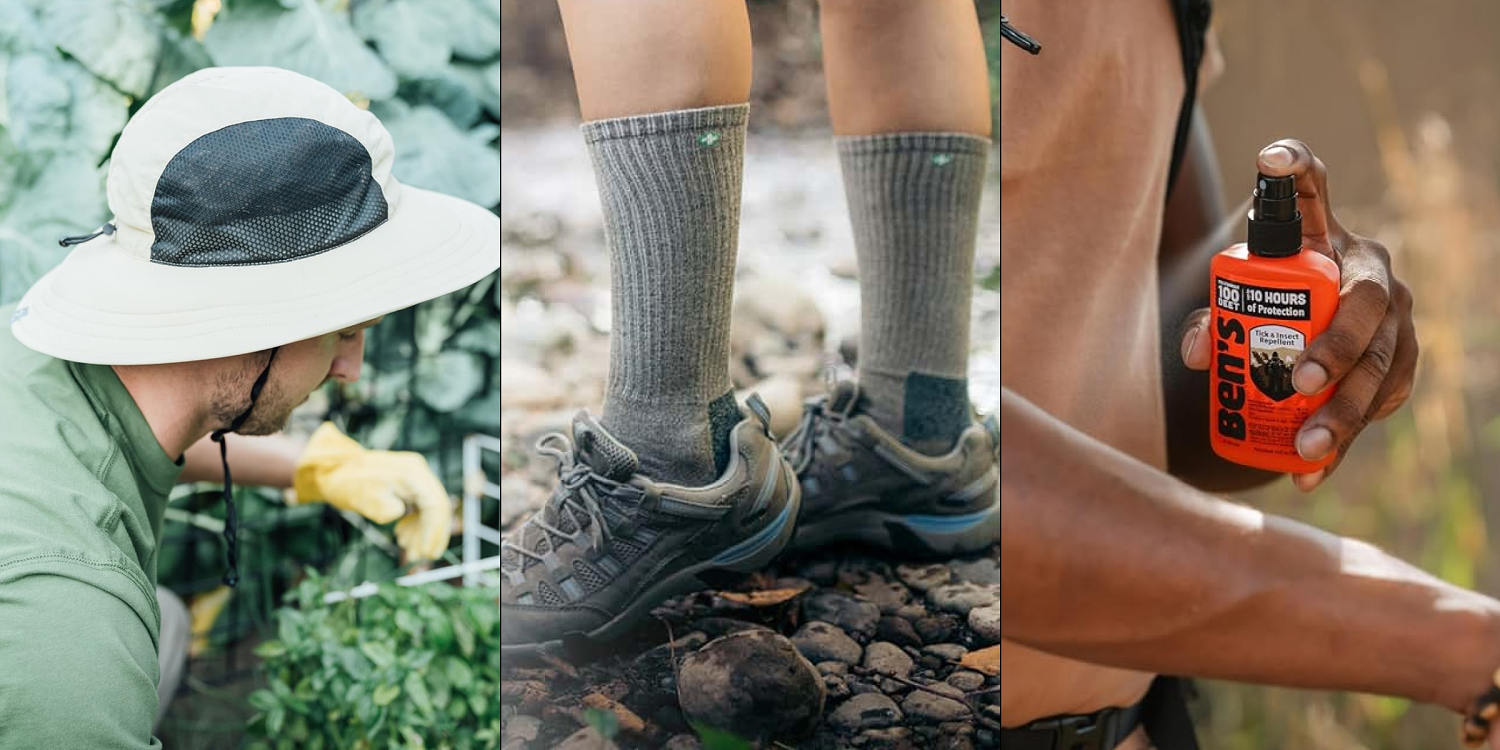
The consumer wellness industry wants you to believe that surviving tick season is a matter of purchasing the right aerosol can. Every spring, the same predictable listicles appear online, ranking the "best products to keep ticks off you." They point you toward boutique essential oils, expensive treated clothing, and heavy-duty chemical bug sprays.
They are selling you a false sense of security.
The lazy consensus says that if you douse your boots in DEET or clip a sonic repeller to your backpack, you are safe. It is a comforting lie designed to move inventory. The reality? Relying solely on topical repellents to prevent tick-borne illness is like trying to stop a flood by holding up an umbrella. You are focusing on the wrong defensive layer, using tools that fail under real-world conditions, and completely ignoring how ticks actually hunt.
After two decades of tracking vector-borne disease patterns and testing preventative measures in the densest brush imaginable, I can tell you that the mainstream advice is broken. If you want to actually avoid Lyme disease, Anaplasmosis, or the dreaded alpha-gal allergy, you need to stop buying the hype and start understanding the biology of the threat.
The DEET Delusion: Why Repellents Fail in the Field
Let us dismantle the holy grail of the outdoor industry: DEET. For decades, consumers have sprayed this compound onto their skin under the assumption that it creates an impenetrable forcefield.
It does not.
DEET is a spatial inhibitor. It works by masking your chemical signature, specifically blocking the olfactory receptors that ticks use to detect your breath (carbon dioxide) and sweat.
Here is what the product labels do not tell you:
- Ticks do not fly or jump. They do not buzz around your head like mosquitoes, getting deterred by a cloud of spray. They practice "questing." They sit on the tips of low-lying grass and shrubs with their front legs extended, waiting to mechanically brush onto your body as you walk past.
- Mechanical transfer bypasses smell. If a questing tick makes direct physical contact with your pant leg, it does not care if you smell like a chemical factory. It will latch onto the fabric and begin climbing upward to find a dark, warm patch of skin.
- Evaporation rates ruin protection. On a hot humid day, sweat washes topical repellents away far faster than the "8-hour protection" claim on the bottle.
Even Picaridin, a widely praised alternative that is less greasy and does not melt plastic gear, suffers from the same fatal flaw: it relies on the tick deciding not to touch you. But in the brush, contact is not a choice; it is an inevitability.
The False Promise of "Natural" Essential Oils
If the chemical approach is flawed, the "natural" alternative is downright dangerous. The market is flooded with aromatherapy shields featuring rosemary, lemongrass, and cedarwood oils.
Yes, academic laboratory studies show that certain concentrated essential oils can repel ticks in a petri dish. But a petri dish is not a hiking trail.
The Reality Check: In the wild, essential oils suffer from extreme volatility. They evaporate completely within 30 to 60 minutes of application. Unless you plan on stopping every half mile to completely coat yourself in a greasy layer of citronella, you are leaving yourself completely unprotected by the time you reach the midpoint of your trek.
Worse, relying on these weak formulations breeds a dangerous complacency. You walk through tall grass bolder than you should, assuming your organic mist is protecting you, while nymph-stage ticks—the size of a poppy seed—are quietly hitching a ride on your socks.
The Hierarchy of Defense: What Actually Works
If you want to stop ticks, you have to shift your mindset from repelling them to intercepting and killing them.
+--------------------------------------------------------+
|                   THE TICK DEFENSE PYRAMID              |
+--------------------------------------------------------+
| Level 4: The Daily Body Scan (The Ultimate Fail-Safe)  |
+--------------------------------------------------------+
| Level 3: Permethrin-Treated Outerwear (The Killer)     |
+--------------------------------------------------------+
| Level 2: Physical Barriers (The Mechanical Blocker)    |
+--------------------------------------------------------+
| Level 1: Behavior Modification (The Foundational Step) |
+--------------------------------------------------------+
1. Behavior Modification
The absolute cheapest and most effective tick prevention costs zero dollars: stay in the center of the trail. Ticks are not sitting in the middle of a dry, sun-baked dirt path. They dry out and die in direct sunlight. They live in the humid microclimate of the leaf litter and the overgrown margins of the trail. Step into the brush to let someone pass, and you have just entered the strike zone.
2. Physical Barriers
You look ridiculous, but tucking your pants into your socks is a non-negotiable tactical move. This single action forces ticks to remain on the outside of your clothing, where they are visible, rather than allowing them to crawl up the inside of your pant leg directly onto your skin. Wear light-colored clothing. A dark brown deer tick stands out instantly against khaki or white fabric.
3. Permethrin (The Only Chemical That Matters)
Stop spraying your skin. Start treating your gear. Permethrin is not a repellent; it is a neurotoxic insecticide. When a tick steps onto fabric treated with permethrin, the chemical absorbs through their tarsi (feet). Within seconds, they experience the "hot foot" effect, lose their grip, drop off, and die.
You can buy pre-treated clothing from brands that license Insect Shield technology, which lasts up to 70 washes. Alternatively, you can buy a bottle of 0.5% permethrin spray and treat your boots, socks, and pants yourself.
The downside you must know: Permethrin is highly toxic to cats when it is wet. If you treat your own gear, do it outdoors and keep it away from felines until it is completely dry. Once dry, it binds to the fabric fibers and is safe.
4. The Daily Body Scan
This is your final line of defense, and it is the one people skip because they think their sprays worked. A tick generally needs to be attached for 24 to 48 hours to transmit the bacteria that causes Lyme disease. If you find them and remove them promptly, you drastically reduce your infection risk.
Dismantling the "People Also Ask" Myths
Let us confront the terrible advice circulating on forums and poorly researched blogs.
"Can I use dish soap to remove an attached tick?"
Absolutely not. Do not use dish soap, peppermint oil, petroleum jelly, or a hot match to "suffocate" or scare a tick into backing out. When you irritate an attached tick with chemicals or heat, you cause it to experience physical stress. Its defense mechanism? It regurgitates its stomach contents—which carry the pathogens—directly into your bloodstream.
The only correct removal method is using fine-tipped tweezers. Grasp the tick as close to your skin's surface as possible and pull upward with steady, even pressure. If the mouthparts break off, leave them; the infection risk resides in the gut fluid, not the calcified jaw.
"Does garlic or vitamin B keep ticks away?"
This is an old wives' tale that refuses to die. There is zero clinical evidence that consuming garlic, taking vitamin supplements, or eating specific diets changes your sweat chemistry enough to deter a questing tick. It is a myth that keeps dermatologists and infectious disease specialists awake at night.
The Real Danger: The Micro-Tick
When people think of ticks, they picture the adult wood tick—large, distinct, easy to spot. That is a dangerous mistake. The primary vector for Lyme disease is the nymphal stage of the blacklegged tick (Ixodes scapularis).
Imagine a single speck of dirt on your ankle. That speck has eight legs and a mouth full of anesthetic compounds that ensure you never feel it bite.
Because you cannot rely on feeling the bite, and you cannot rely on a spray to scare them off, you must accept that your gear configuration and your post-hike inspection routine are your only real safeguards.
Throw your outdoor clothes directly into a hot dryer for 10 minutes when you get home. High, dry heat kills ticks instantly. Washing them first does not; they can survive a full cycle in warm water.
Stop shopping for miracles in the aerosol aisle. Change your clothing strategy, treat your footwear with an actual insecticide, and check your skin every single night. The industry will not sell you that routine because they cannot put a barcode on it.