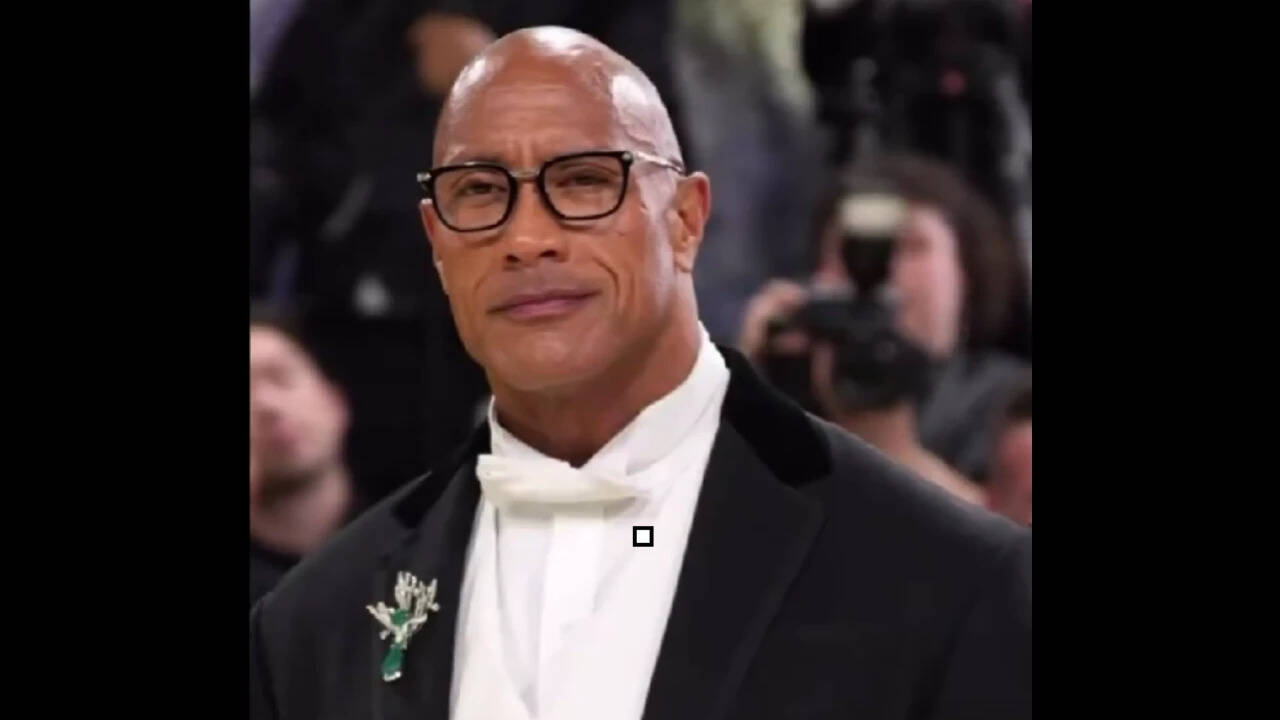
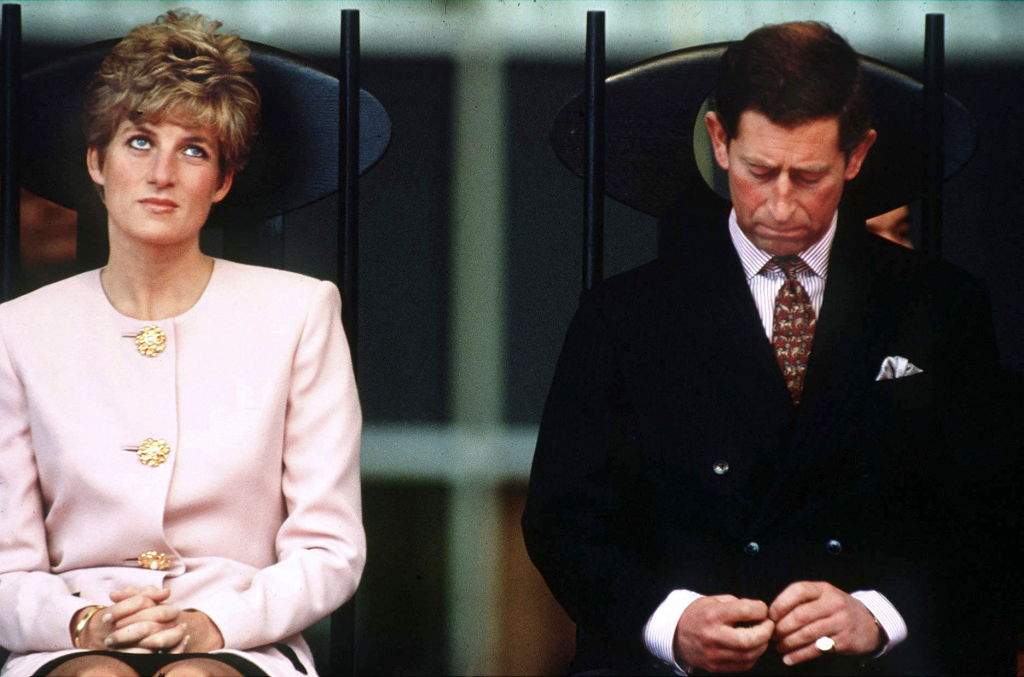
Every time a local police department drops a booking photo of a petty theft suspect who shares a jawline with a Hollywood headliner, the internet collectively loses its mind. Social media feeds flood with side-by-side comparisons, cheap puns about prison terms, and thousands of armchair detectives treating a public safety notice like an interactive casting call. It is a grotesque spectacle. We have taken the machinery of the criminal justice system and converted it into a reality television sideshow purely because a suspect happens to possess the same nasal bridge as a beloved sitcom star.
The lazy consensus across digital media insists this is harmless fun. Viral listicles invite you to play a game of match the mugshot to the red carpet, packaging local crime logs as benign entertainment. This perspective is not just intellectually lazy; it is actively dangerous. When we reduce real human beings caught in the worst moments of their lives to aesthetic punchlines for celebrity doppelgänger games, we erase due process, distort public safety communications, and feed an algorithm that treats human dignity as disposable currency.
Let us look at the math that publishers conveniently ignore. There are over eight billion people on this planet. Human facial features are built from a finite combination of genetic building blocks, bone structures, and cartilage shapes. Statistics dictate that true doppelgängers are not anomalies; they are mathematical certainties. The birthday paradox writ large across human anatomy guarantees that millions of individuals share uncanny facial similarities with famous actors, musicians, and athletes. A police blotter from a county jail in upstate New York or a municipal precinct in London is going to yield thousands of lookalikes every single year simply through the unfeeling churn of probability.
Yet, digital publishers frame these coincidences as bizarre anomalies or glitches in reality, stripping away the context of the underlying legal proceedings. When a news outlet publishes a headline asking if you can name the suspect who looks like an A-list actor, they are prioritizing click-through rates over reality. A booking photo is an administrative record of an arrest, not a verdict. In many jurisdictions, these suspects have not been tried, let alone convicted. By dragging them into the global meme economy because of a lucky or unlucky alignment of cheekbones, media platforms expose unconvicted individuals to an unprecedented scale of digital harassment and public humiliation.
Consider the infamous case involving the British police department hunting a man who bore an uncanny resemblance to David Schwimmer during a beer theft. The internet erupted. Millions shared the footage, cracking jokes about Ross Geller stealing beverages. The sheer volume of traffic forced the police department to issue official statements confirming the actual actor was miles away across the Atlantic. While the real culprit was eventually caught and convicted, the entire episode demonstrated how quickly public attention can be hijacked by superficial likenesses. Instead of focusing on the facts of a property crime, the public treated a criminal investigation like an episode of a game show.
This phenomenon reveals a deeper rot in how we consume information. We live in an era of aesthetic reductionism. Everything must be filtered through the lens of pop culture familiarity. If a suspect looks like a pop star, their humanity vanishes behind the meme. Comment sections fill with jokes about iconic movie roles, ignoring the grim reality of poverty, substance abuse, or desperation that frequently populates local jail rosters. We laugh at the resemblance while remaining entirely blind to the systemic failures that put that person in handcuffs in the first place.
Furthermore, this obsession creates severe operational hazards for law enforcement. When police agencies release suspect photos, the objective is straightforward: generate tips to solve a crime or protect the public. When the internet hijacks that photo and turns it into a viral meme about a celebrity, the signal-to-noise ratio collapses entirely. Investigators are suddenly inundated with thousands of joke tips, useless internet commentary, and algorithmic noise from people thousands of miles away who have zero connection to the jurisdiction. Real tips get buried beneath mountains of movie quotes and sarcastic comments. By turning suspect searches into viral entertainment, internet users actively sabotage the investigations they pretend to assist.
There is also the chilling reality of modern surveillance technology and facial recognition software. Law enforcement agencies and private contractors have spent years refining algorithms designed to map facial geometry across massive databases. When the public normalizes treating human faces as interchangeable commodities based on superficial resemblances, we pave the way for acceptance of mass biometric tracking. If a citizen shrugs off a civil liberties violation or a privacy breach simply because a mugshot looks like a movie star, they are training themselves to accept a surveillance state where identity is reduced to a matching score.
We must examine the psychological mechanics driving this collective compulsion. Human brains are hardwired for pareidolia, the evolutionary tendency to perceive meaningful patterns or recognizable faces in random stimuli. For thousands of years, this cognitive shortcut helped our ancestors identify predators hiding in brush or recognize tribal allies across vast distances. Today, that exact survival mechanism has been hijacked by social media algorithms. When scrolling through endless feeds of flat digital imagery, the brain experiences a dopamine spike upon recognizing a familiar shape, such as the jawline of a musical icon superimposed over an exhausted, arrested stranger. We mistake this biological glitch for clever humor, treating a coincidence of bone structure as a cultural event.
Entertainment journalism and content aggregators exploit this cognitive vulnerability with calculated precision. They understand that outrage and novelty drive engagement, but superficial familiarity drives frictionless sharing. By framing criminal booking logs as a celebrity spotting game, websites bypass our critical faculties entirely. Readers who would otherwise ignore a mundane report about local larceny suddenly stop, stare, and participate because the suspect shares a cheekbone configuration with an actress from a 1990s teen comedy.
The fallout from this digital voyeurism extends far beyond a few days of viral amusement. For the individuals whose booking photos are memefied, the consequences are permanent and devastating. Even if charges are dropped, even if an individual is completely exonerated in a court of law, their face remains permanently indexed on search engines, tied forever to viral jokes about looking like a famous singer or a silver-screen heartthrob. Employers searching a candidate's background do not care about the nuance of a dropped charge; they see the viral thumbnail linking a job seeker to a criminal booking log. We have created a digital panopticon where looking like a celebrity is an accidental death sentence for personal privacy.
Consider how this treatment contrasts with actual celebrity mugshots. When a wealthy actor or high-profile musician is arrested for driving under the influence or minor offenses, the media treats them with kid gloves. Their mugshots are analyzed as fashion statements, rebellious portraits of rockstar ethos, or temporary lapses in judgment from figures who retain immense cultural capital and high-priced legal teams. The contrast is stark and punishing. The celebrity's mugshot is artistic currency; the ordinary citizen's lookalike mugshot is digital roadkill.
We must dismantle the entire premise that facial similarity confers any moral, behavioral, or narrative connection between an ordinary citizen and a celebrity. A criminal suspect sharing a jawline with a pop icon means nothing. It is a statistical inevitability dressed up as clickbait. The algorithms pushing these comparisons do not care about truth or justice; they care about engagement metrics. Every time you click, share, or comment on a lookalike mugshot, you validate a system that exploits human misery for ad impressions.
If you want to understand why our public discourse feels so hollow, look no further than this exact genre of content. It trains us to skim the surface of complex societal issues, trading critical thinking for a quick laugh at someone else's expense. The next time a viral post asks you to spot the celebrity lookalike in a police lineup, remember what is actually happening. You are being asked to rubber-stamp the transformation of human tragedy into digital junk food.
Stop playing along. Stop treating police blotters like a casting agency. And start recognizing that behind every viral mugshot is a real person whose worst day is being monetized by an industry that has entirely forgotten how to look deeper.