The media spent a week hyperventilating over a piece of plastic and some off-the-shelf electronics fished out of the Persian Gulf. Tehran crowed about a captured American spy asset. Washington shrugged, muttered something about a defective training unit, and called it a day. Both sides missed the point entirely because both sides benefit from keeping you stupid about how modern maritime attrition actually works.
Everybody focuses on the geopolitical theater. They look at the Strait of Hormuz through the tired lens of classic naval blockades, tanker insurance spikes, and imminent escalation. That lazy consensus misses the operational reality. We are not watching a high-stakes chess match between superpowers. We are watching a multi-million-dollar bureaucracy justify its budget by treating the Gulf like a floating clearance bin for obsolete marine hardware.
The Economics Of Expendable Surveillance
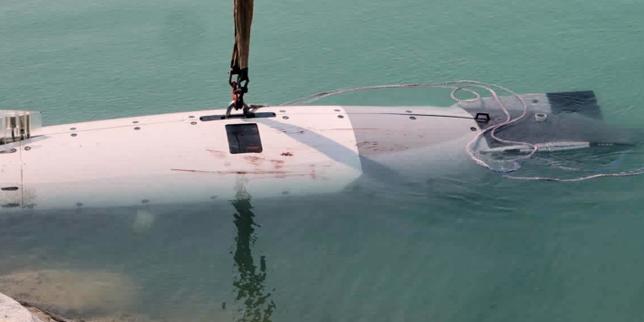
Let us strip away the propaganda and look at the ledger. The hardware in question was an uncrewed underwater vehicle, or UUV. To hear the mainstream defense analysts tell it, losing one of these units is a critical compromise of sensitive sonar capabilities and proprietary navigation tech.
Nonsense.
I have watched defense contractors bill the taxpayer exorbitant sums for autonomous hulls built with commercial off-the-shelf components you can source on an open industrial market for the price of a mid-range family sedan. When Washington calls an asset "defective" or obsolete after it gets scooped up by an Iranian patrol boat, they are not spinning to save face. They are telling the truth, just not the whole truth. They meant to leave it there. Or worse, they didn't care enough to program a proper scuttle routine because the unit had already aged out of its useful accounting lifecycle.
When a naval command deploys low-tier sensor drift units into contested choke points like the Strait of Hormuz without active armed escorts or recovery teams standing by, they are running a calculated burn operation. They are poking the bear with a stick that costs less than the fuel burned by the helicopter dispatched to look for it.
Why Tehran Fell For The Bait
Iran's Islamic Revolutionary Guard Corps Navy loves a good photo op. Dragging a fiberglass tube onto the deck of a catamaran and broadcasting it on state television plays well to the domestic base. It projects capability. It signals defiance against the American footprint in the Persian Gulf.
It is also an amateur hour trap.
By making a public spectacle of capturing a derelict, low-value drone, Tehran validates the exact threat narrative the Pentagon uses to justify expanding autonomous systems budgets in the region. Every time the Iranian navy intercepts a drifting piece of garbage and parades it around like a trophy, a defense appropriations subcommittee in Washington signs off on another ten billion dollars for unmanned maritime swarms.
You do not deploy your crown jewels into a hostile littoral zone without telemetry redundancy unless you want to see how the other side reacts to losing their bait. The entire episode was a data-harvesting exercise disguised as a crisis. Washington wanted to map Iranian response times, communications chatter, and seizure protocols along critical shipping lanes. They used a disposable sensor package to buy those metrics for pennies on the dollar.
The Flawed Premise Of Choke Point Vulnerability
For decades, the narrative surrounding the Strait of Hormuz has relied on a stale script. Analysts warn that a closure of this narrow waterway will choke global energy supplies and trigger economic collapse. Every minor skirmish, tanker seizure, or drone recovery gets shoehorned into this apocalyptic framework.
The framework is broken.
Modern energy logistics have evolved past the crude vulnerability models of the nineteen-eighties. Redundant pipelines, strategic reserves, and shifting global consumption patterns mean that local disruptions in the Persian Gulf pack a fraction of the systemic shock they used to. More importantly, military technology has shifted away from concentrated, high-value capital ships toward distributed, attritable hardware.
If an adversary disables a billion-dollar destroyer, that is a strategic crisis. If an adversary captures a floating weather vane packed with commercial sensors, that is a minor inventory write-off. Treating these two events with the same level of strategic alarm is either professional incompetence or intentional fear-mongering designed to keep defense stocks buoyant.
Stop Looking At The Hardware
If you want to understand what is happening in the Gulf, stop staring at the gadgets bobbing in the water. Look at the balance sheets and the procurement pipelines.
The next time a headline screams about a seized drone or a harassed tanker, ask yourself who benefits from the escalation narrative. The Iranians get a fleeting moment of domestic swagger. The Pentagon gets another budget increase to counter the "unprecedented threat" of low-tech maritime confiscations. And the taxpayers footing the bill for both sides of this absurdity are left wondering why the water never stops boiling.
The drones aren't secret weapons. They are business expenses. And business is booming.