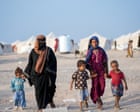
Protracted warfare does not merely destroy physical infrastructure; it systematically dismantles the microeconomic foundations of civilian survival, forcing households to substitute long-term human capital investments for immediate caloric acquisition. In regions experiencing intensified hostilities, such as Yemen, the convergence of macroeconomic collapse, institutional salary forfeiture, and fractured logistics networks has altered household utility functions. Schooling transitions from a baseline public good into an unaffordable opportunity cost, driving a quantifiable reallocation of child labor into informal markets. Analyzing this shift requires moving past humanitarian generalities to examine the specific systemic mechanisms that compel families to trade future cognitive capacity for current subsistence.
The Household Cost Function and Income Shock
At the core of the educational drop-out mechanism is a severe household liquidity constraint. When macroeconomic output contracts and localized conflict severs commercial corridors, purchasing power parity collapses. Families face an immediate choice defined by extreme resource scarcity: finance direct inputs for formal education—such as registration fees, writing materials, uniforms, and daily transit—or allocate every available resource toward basic caloric intake.
When inflation spikes and public-sector salaries remain unpaid for years, adult wage-earning capacity drops toward zero. Under these conditions, the marginal utility of a child attending school becomes negative relative to the marginal utility of that child generating immediate cash flow or caloric output. Households operate under survival triage, where children are repurposed as labor units to offset income deficits through street vending, localized agriculture, or manual labor. This dynamic explains why survey metrics in conflict zones consistently reveal that a substantial majority of school-age children are out of the formal system, with a significant fraction of dropouts directly tied to immediate economic survival imperatives.
Institutional Degradation and Supply-Side Failures
The supply side of education experiences concurrent structural failure, driven by two primary vectors: physical destruction and human resource attrition.
Military operations systematically compromise educational architecture. Institutional assessments indicate that a substantial proportion of educational facilities suffer direct structural damage, occupation by armed factions, or conversion into makeshift shelters for internally displaced persons. This loss of physical capacity restricts geographic access, forcing students to navigate dangerous frontlines or travel prohibitive distances to reach operational facilities.
Simultaneously, the collapse of state fiscal mechanisms suspends regular compensation for educators. When teachers receive no formal salary, institutional continuity dissolves. Schools either close permanently or rely entirely on voluntary community efforts and underqualified replacements. This degradation lowers the expected return on education: even if a family manages to absorb the out-of-pocket costs of schooling, the instructional quality and credential reliability plummet, reducing the long-term signaling value of a diploma in a fractured labor market.
The Intergenerational Multiplier of Lost Capital
The systemic abandonment of formal schooling creates an intergenerational penalty that persists long after active hostilities cease. Human capital accumulation operates on a compounding curve; interruptions during formative developmental windows generate permanent deficits in cognitive development and technical literacy.
When children enter informal, low-skill labor markets prematurely, they forgo foundational literacy and specialized skill acquisition. This locks households into low-income equilibrium traps across generations. Furthermore, the psychosocial impact of sustained instability, combined with exposure to unexploded ordnances and localized violence, alters the behavioral baseline of the affected cohort, reducing cognitive bandwidth for academic retention even where classrooms remain functional.
Strategic Intervention Priorities
Mitigating the collapse of human capital in protracted conflict environments requires targeted structural interventions rather than generic aid distribution. Humanitarian frameworks must pivot from passive asset replacement to active operational subsidization.
First, stabilization policies must prioritize the direct monetization of educator salaries to restore institutional functionality independent of collapsed central treasuries. Without functioning classrooms staffed by compensated professionals, supply-side capacity remains flat.
Second, economic relief programs must incorporate conditional or unconditional cash transfers aimed specifically at offsetting the opportunity cost of child labor. By injecting liquidity directly into vulnerable households, interventions can alter the household utility calculation, making the retention of children in formal education economically viable relative to immediate labor extraction.
Finally, decentralized micro-learning hubs and community-based educational infrastructure must replace centralized brick-and-mortar models in contested zones, minimizing transit risks and physical exposure to frontlines. Until economic drivers of household survival are systematically decoupled from child labor dependency, educational metrics will continue to reflect structural regression, converting temporary security shocks into permanent developmental deficits.