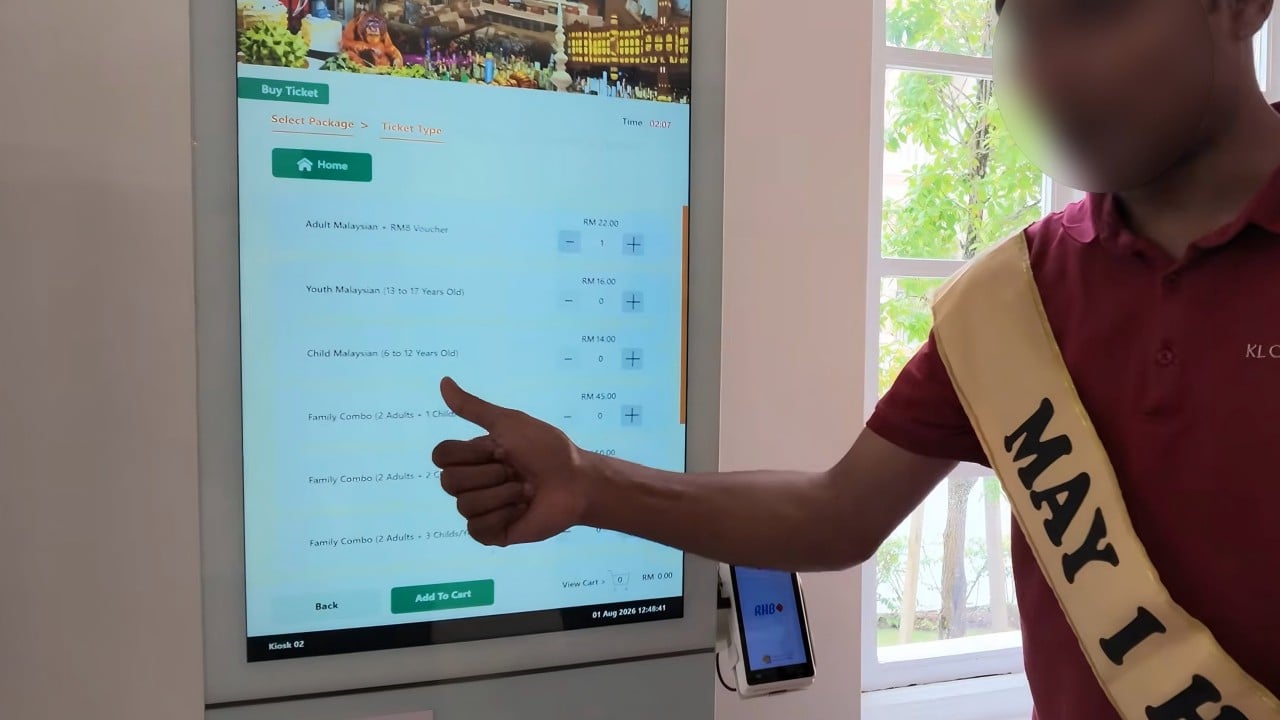
Public friction surrounding the deployment of non-local personnel at prominent cultural landmarks exposes an inherent tension between national identity narratives and economic optimization models. When digital recordings surface depicting foreign workers operating within spaces designated as repositories of collective memory, public backlash tends to follow a predictable trajectory. Deconstructing this friction requires moving past reactive emotional commentary to analyze the underlying operational frameworks, labor market failures, and signaling mechanisms governing heritage asset management.
The Economic Cost Function of Frontline Operations
Cultural properties and public galleries operate under severe margin constraints, balancing state subventions or municipal funding against the real costs of facility maintenance, visitor management, and administrative overhead. The deployment decisions made by site management are rarely arbitrary; they are the output of a deterministic cost function designed to minimize operational expenditure while maintaining throughput.
Labor represents the most flexible variable cost in this equation. The domestic labor market for front-of-house heritage staff exhibits distinct structural friction points:
- High turnover rates driven by stagnant entry-level compensation relative to urban living costs.
- Persistent labor shortages in service sectors characterized by extended standing hours and continuous public engagement.
- Escalating opportunity costs for local youth, who increasingly gravitate toward gig-economy platforms or higher-paying corporate entry points.
When site operators face a deficit in local labor supply, they default to labor substitution models. Foreign workers, often sourced through structured recruitment channels for low-margin service roles, provide a stable capacity buffer. The financial delta between local and non-local wages is not merely a reflection of corporate greed, but a symptom of structural wage compression across the broader service economy. Management prioritizes operational continuity, accepting minor reputational risks over the catastrophic bottleneck of staff shortages during peak tourist hours.
The Signaling Failure and Symbolic Economy
Heritage sites function as high-value semiotic zones. They do not merely house artifacts or display colonial-era architecture like the Sultan Abdul Samad Building; they act as physical anchors for national identity. Consequently, the public expects strict alignment between the symbolic meaning of the site and the demographic profile of the individuals representing it.
This creates a semiotic mismatch. When a visitor interacts with a frontline worker wearing a gallery uniform but identifying as non-local, the immediate cognitive dissonance triggers a protective response from the public. The uniform is interpreted as a marker of civic representation.
Management frequently miscalculates this dynamic by evaluating the role strictly through a functional lens—categorizing the individual as a general handler or facility assistant rather than an official interpreter. However, in the ecosystem of cultural tourism, every frontline touchpoint is an interpretive act. The public does not parse administrative distinctions between a licensed tour guide and a floor assistant offering directional help; they register an external agent mediating a domestic cultural asset. This failure to recognize the symbolic weight of frontline staffing transforms a routine human-resources decision into a crisis of cultural authenticity.
Systemic Remediation and Operational Realignment
Resolving the friction between labor optimization and cultural symbolism requires a complete overhaul of how heritage operators recruit, train, and deploy personnel. Relying on cost arbitrage for frontline representation is an unsustainable strategy that invites continuous reputational damage.
Site administrators must decouple back-of-house operational efficiency from front-of-house public engagement. While administrative, maintenance, and logistical roles can be optimized through flexible labor pools, roles involving direct visitor interaction require deliberate investment in local talent acquisition. This demands structural adjustments to compensation packages and career progression pathways within the cultural sector, transforming low-tier service roles into viable employment options for domestic workers.
Heritage governance models must transition from reactive crisis management—issuing defensive statements after viral videos capture operational realities—to proactive transparency. Stakeholders must establish clear service-level agreements that explicitly define public-facing representation standards, ensuring that economic imperatives do not compromise the symbolic integrity of national monuments.